This course provides an introduction to the legal and ethical issues arising in the art and cultural heritage sectors today. Aimed at all those engaged in the art world, it will outline principles and practices, exploring cases from the UK and beyond.
Course search results
Filter by:
Filters
Start month
Day of the week
Time of day
Discover Alexander the Great, unparalleled in his capacity to captivate the collective imagination, serving not only as an exemplar for world rulers, but also as a popular figure in various works of art and literature with this in-person day event.
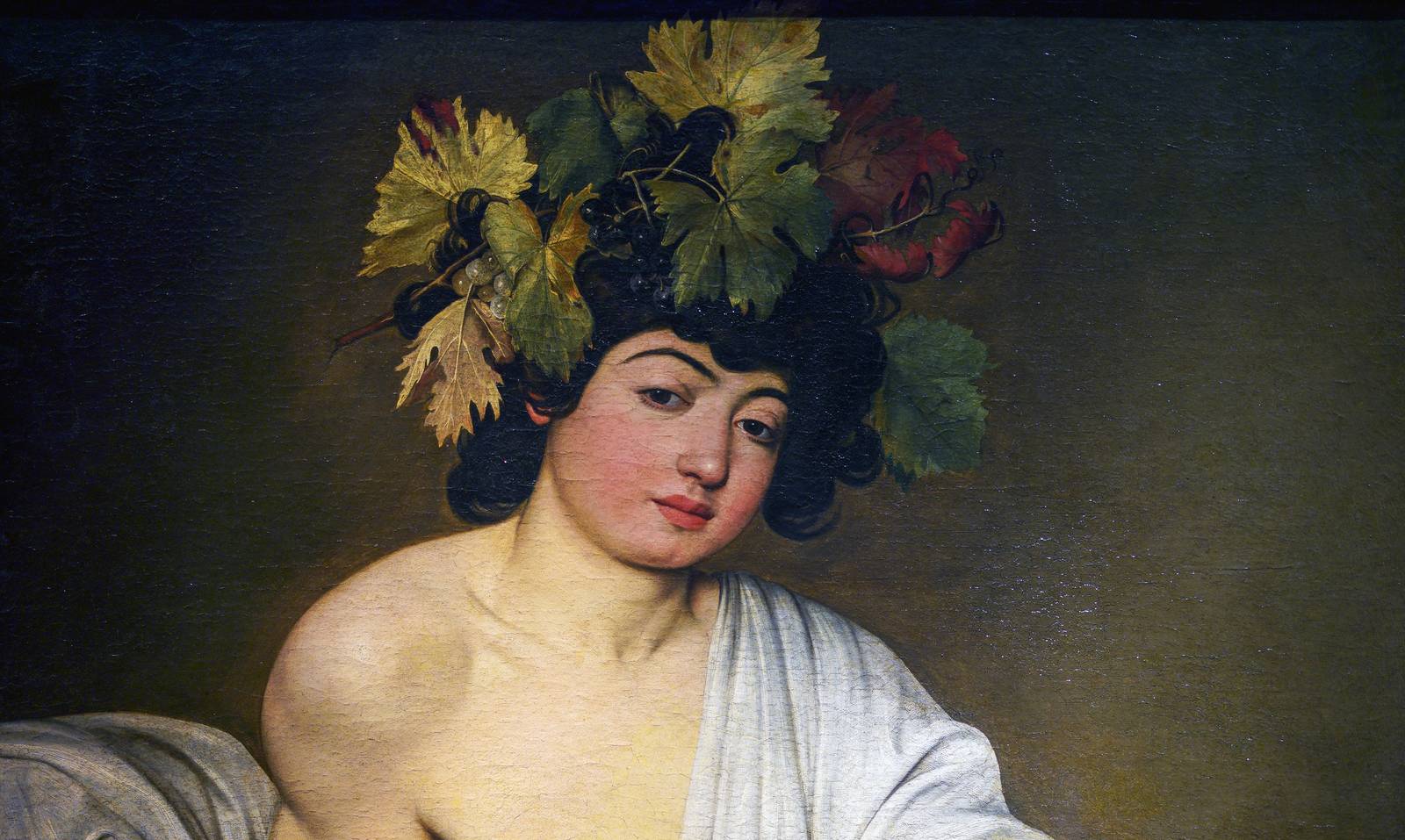
From feasting gods to sacred liturgy, discover how wine became a powerful symbol in Renaissance and Baroque art, revealing stories of celebration, excess, faith, and everyday life.
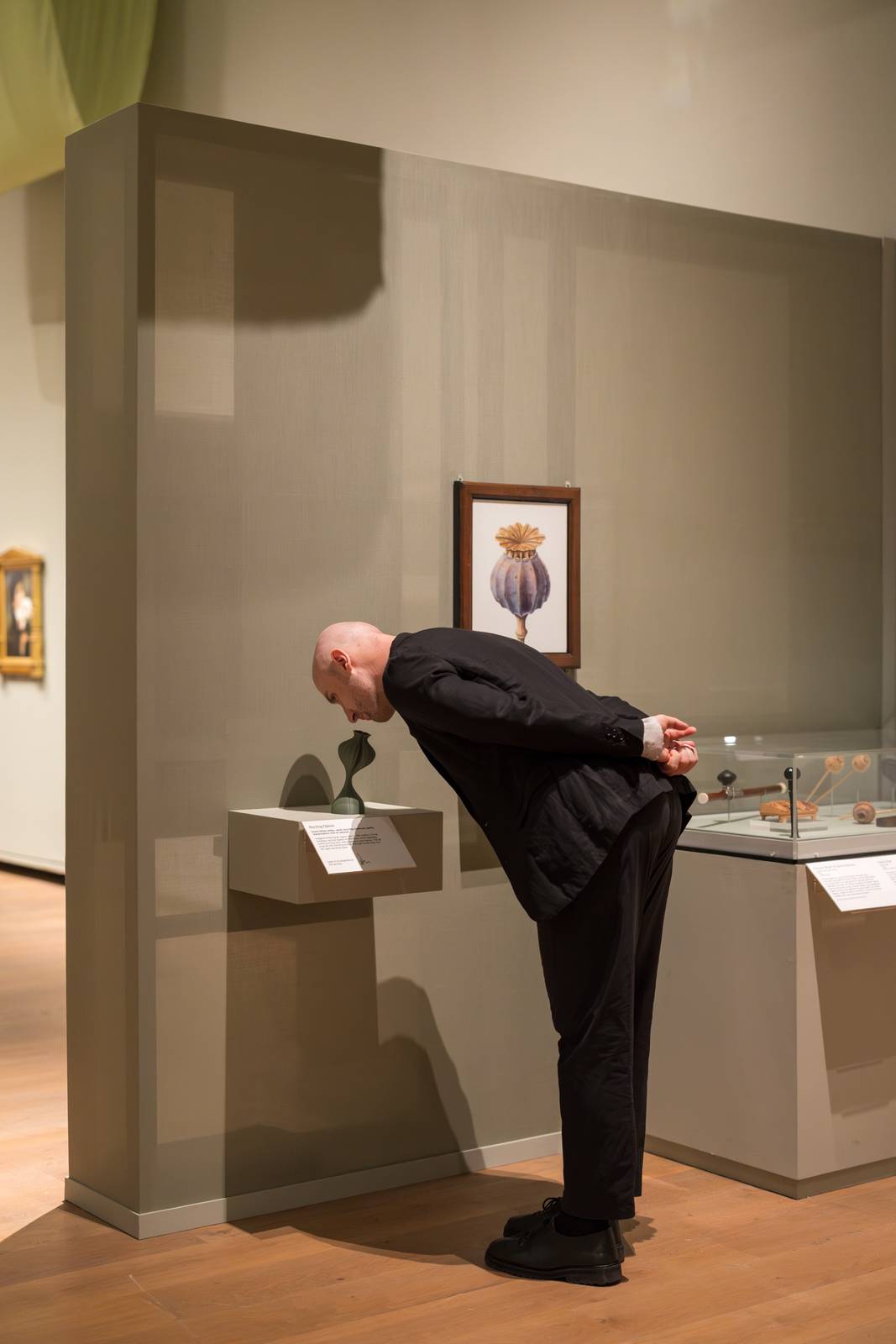
Do your exhibitions stink? Scent is becoming a popular feature in museums, but what makes olfactory visitor experiences effective? We will explore the theory, practice, benefits and pitfalls, with useful tips to help harness scent as an interpretive tool.
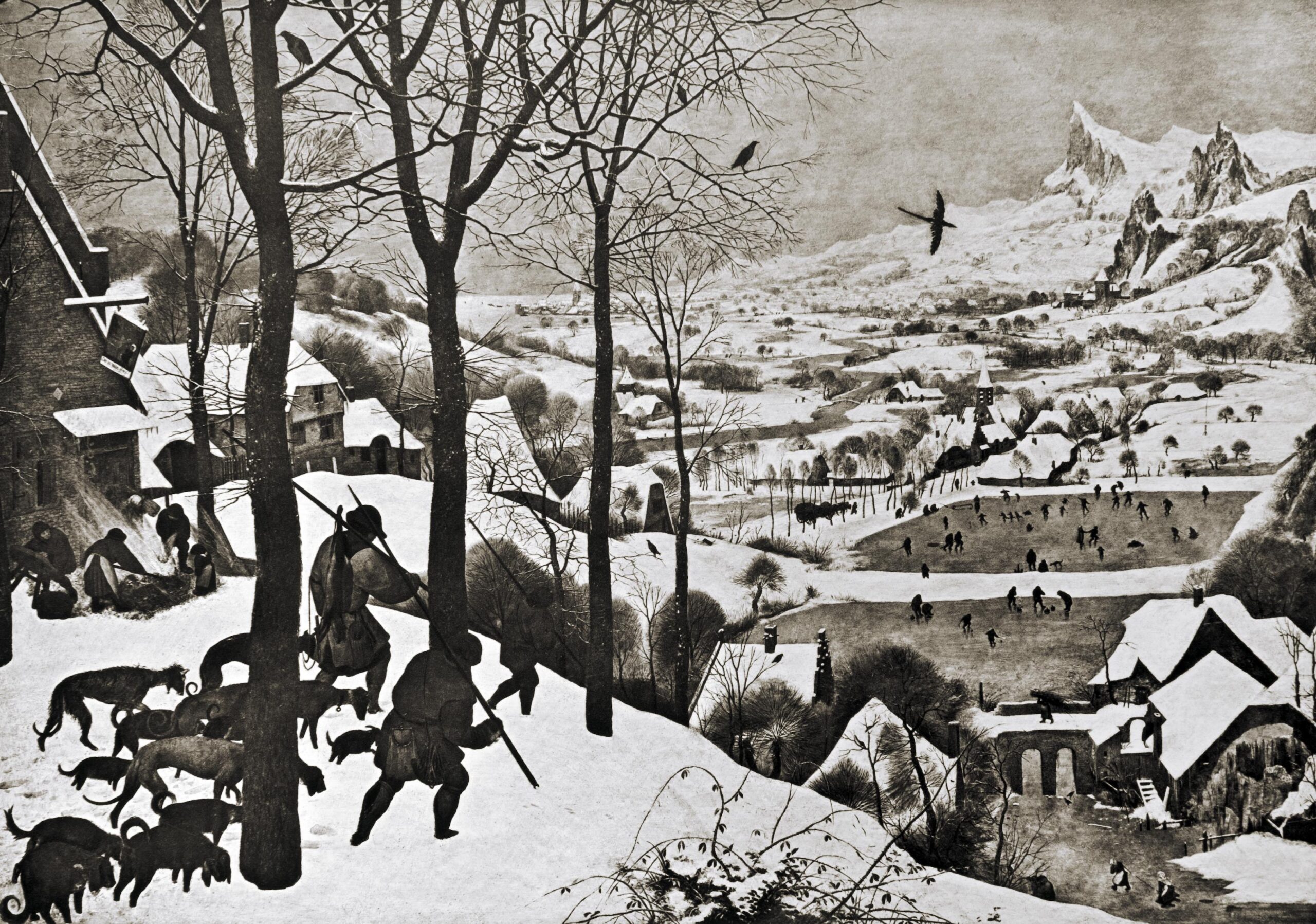
This course explores the riches of northern European art from c.1480 - 1580; artists including Dürer, Bosch, Holbein and Bruegel will be studied.
This course examines the social, economic, religious, and political contexts under which women have always made art, but have largely been marginalised in its formal histories and markets.
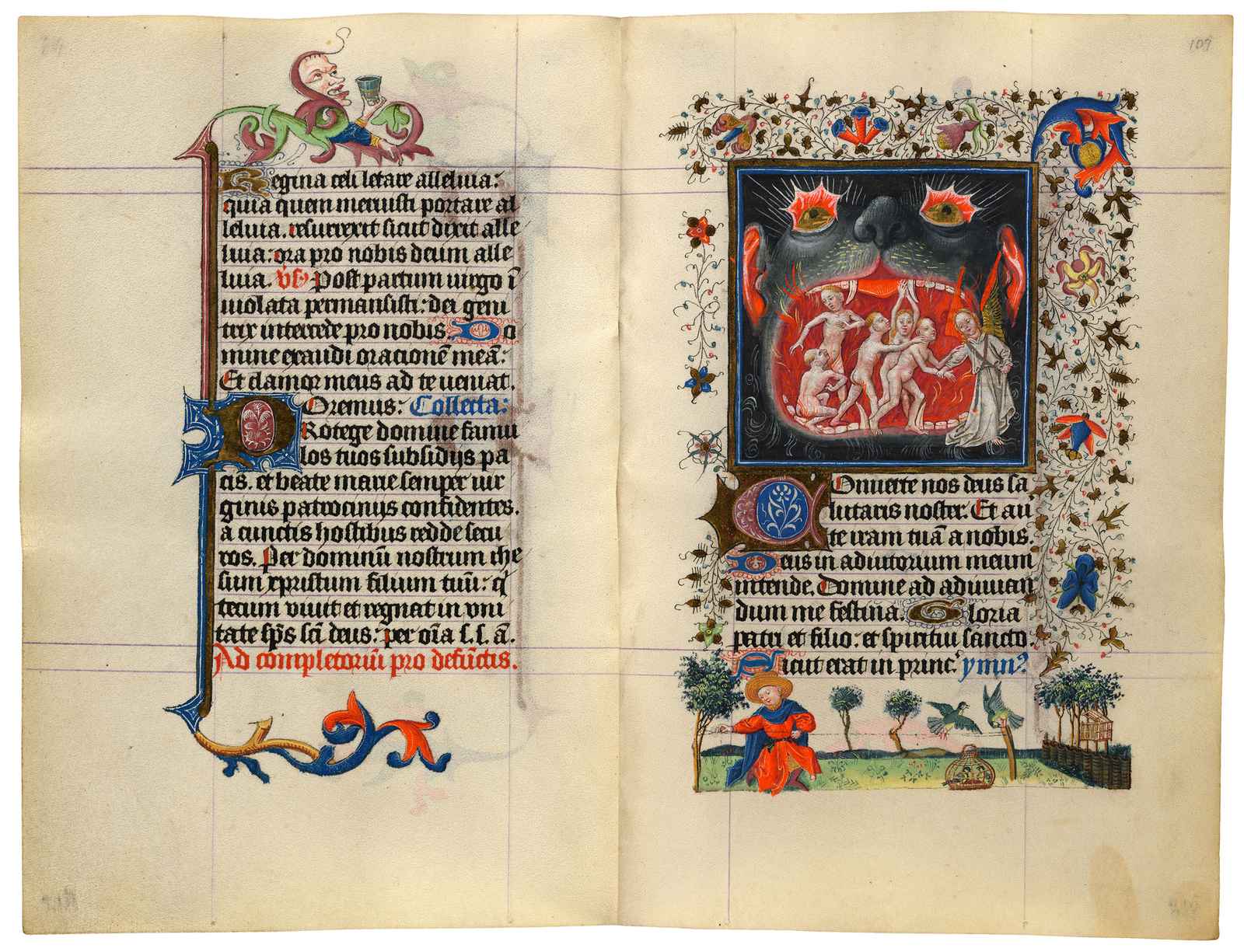
Uncover the mysteries of the medieval afterlife through its art and architecture. Examine a range of objects from across Western Europe and the Mediterranean.
The art of prehistoric Europe is rich with imagery such as cave paintings, carvings, body ornamentation and frescoes. This course considers a range of sites and artefacts in our exploration of the unique and creative ways people visualised their world.
This course provides an historical introduction to the development of folklore studies in Britain. It will review historical conceptions and approaches to folklore from the seventeenth-century antiquarians to the present.
Join us to explore the rich and dazzling architecture of the Italian Renaissance in three key cities. We will investigate the differing ways in which the classical styles of the Renaissance found expression in Florence, Rome and Venice.
From Paris to Moscow, Glasgow to Barcelona, this short online course examines the richness and variety of European art nouveau.
A comprehensive introduction and historical framework to the rich, diverse, artistic, architectural, and cultural legacy of Andalucía, Spain's most southerly region, produced between about 750 and 1550 CE, but with reference to its more ancient history.