
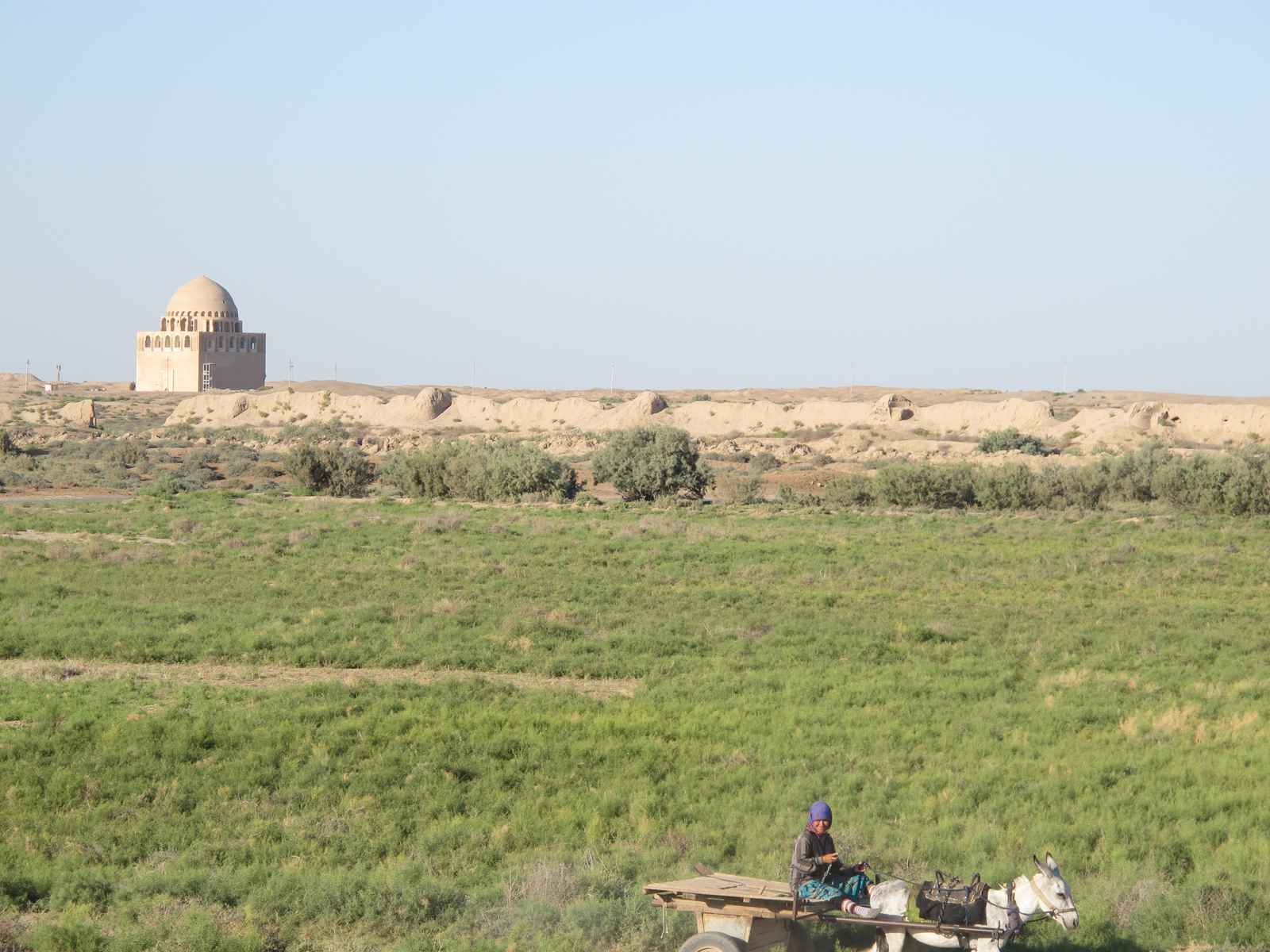
Explore the Silk Roads through important cities like Samarkand and Bukhara, tracing empires, faiths, and cultures from the Bronze Age to the medieval world.
Filter by:
Filters
Start month
Day of the week
Time of day
Explore the Silk Roads through important cities like Samarkand and Bukhara, tracing empires, faiths, and cultures from the Bronze Age to the medieval world.
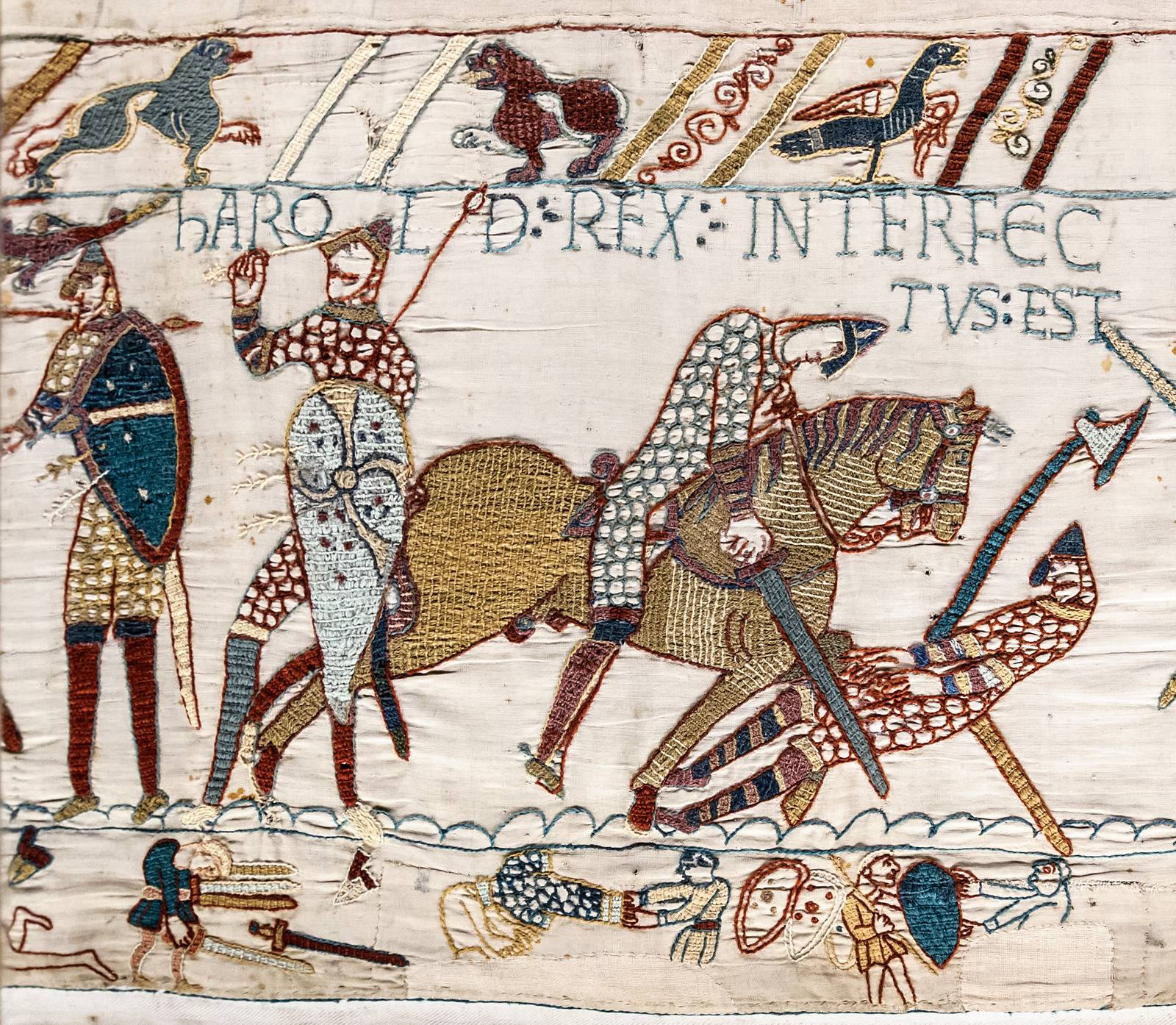
The Bayeux Tapestry is a unique medieval artefact with an extraordinary history. It has survived for almost a thousand years despite misuse, fire, revolution, exploitation and attempted theft. This lecture will trace its history.
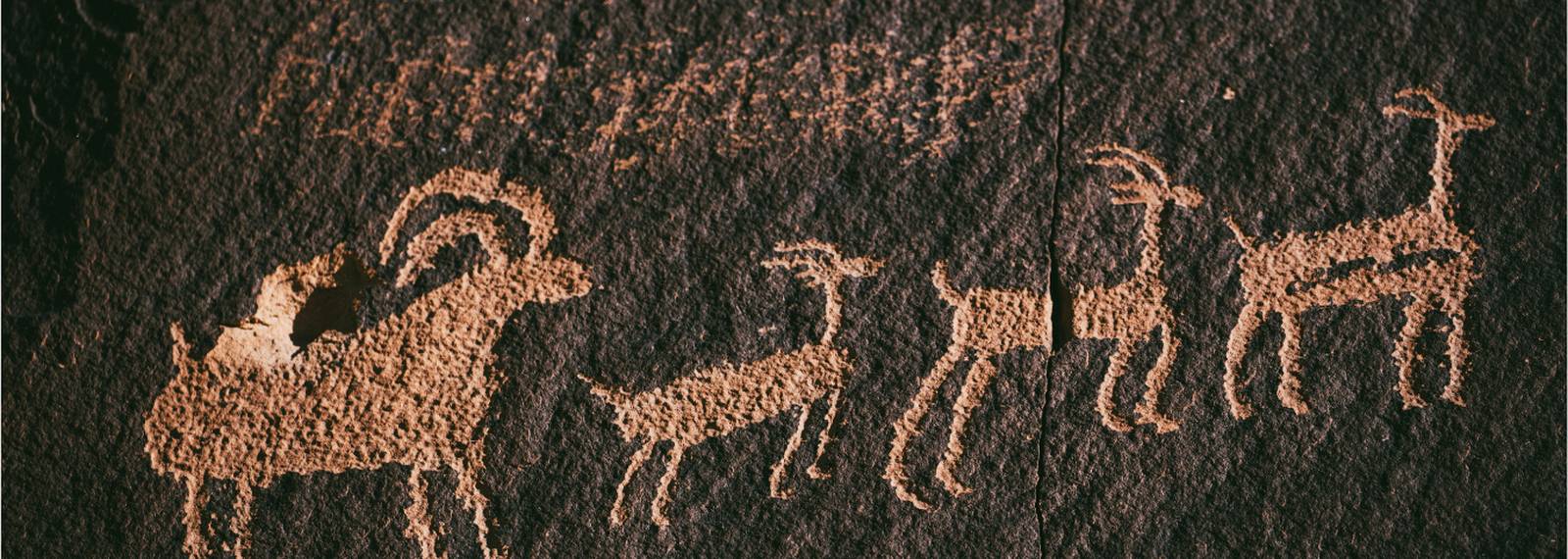
From hunting dogs to Silk Road camels and urban cats, this lecture series explores how animals shaped human history, using archaeology and history to uncover the deep entanglements between people and domestic species.

This course provides an introduction to the legal and ethical issues arising in the art and cultural heritage sectors today. Aimed at all those engaged in the art world, it will outline principles and practices, exploring cases from the UK and beyond.
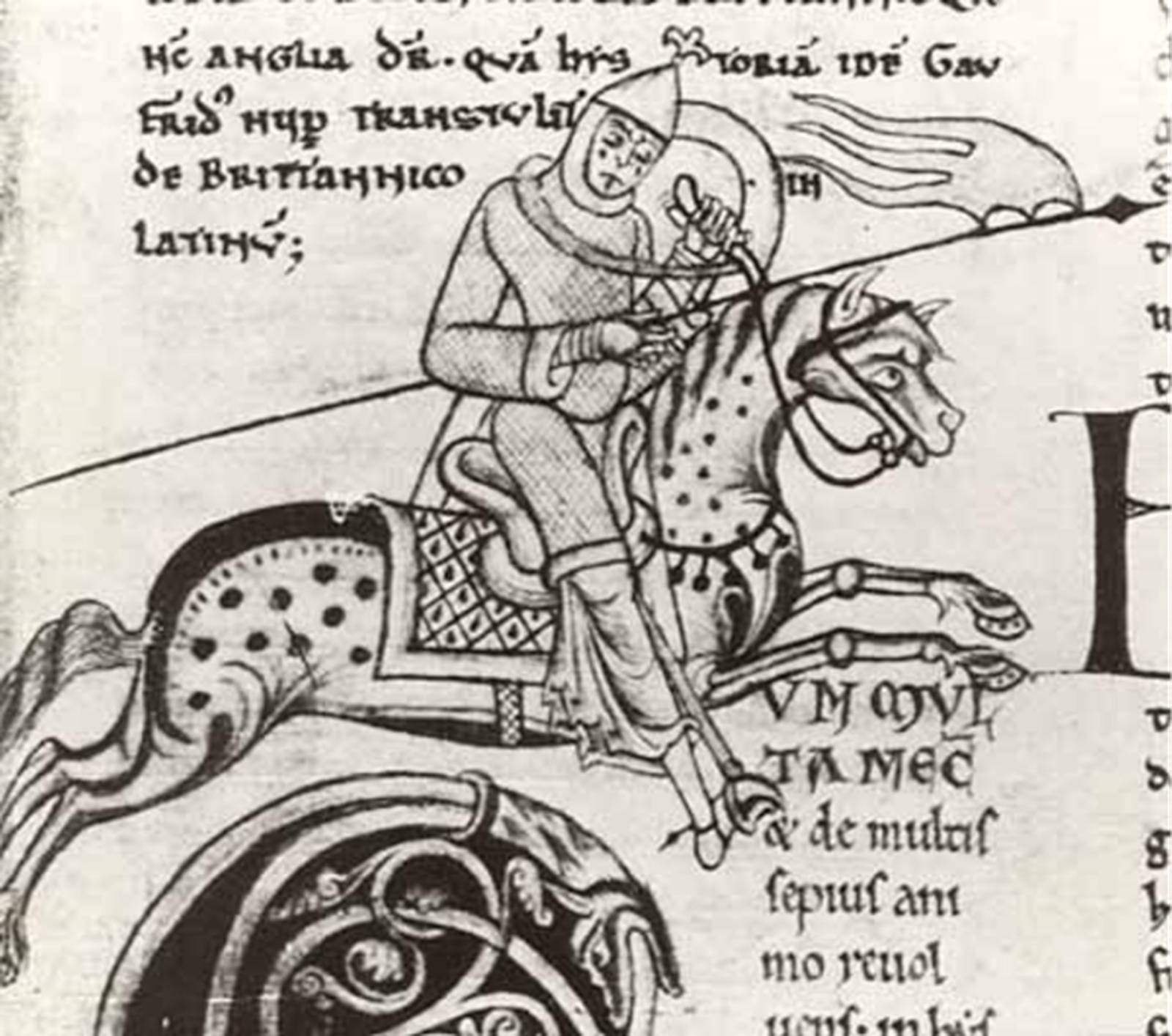
Explore the Anarchy (1139 to 1153AD), when royal power waned and barons reshaped England. Discover siege castles, ruined landscapes, and the archaeological legacy of this turbulent and often misunderstood era.

Short course introducing potential witnesses and advocates to the techniques and procedures of public inquiries dealing with the historic environment, including preparing proofs of evidence. A mock inquiry will be staged.
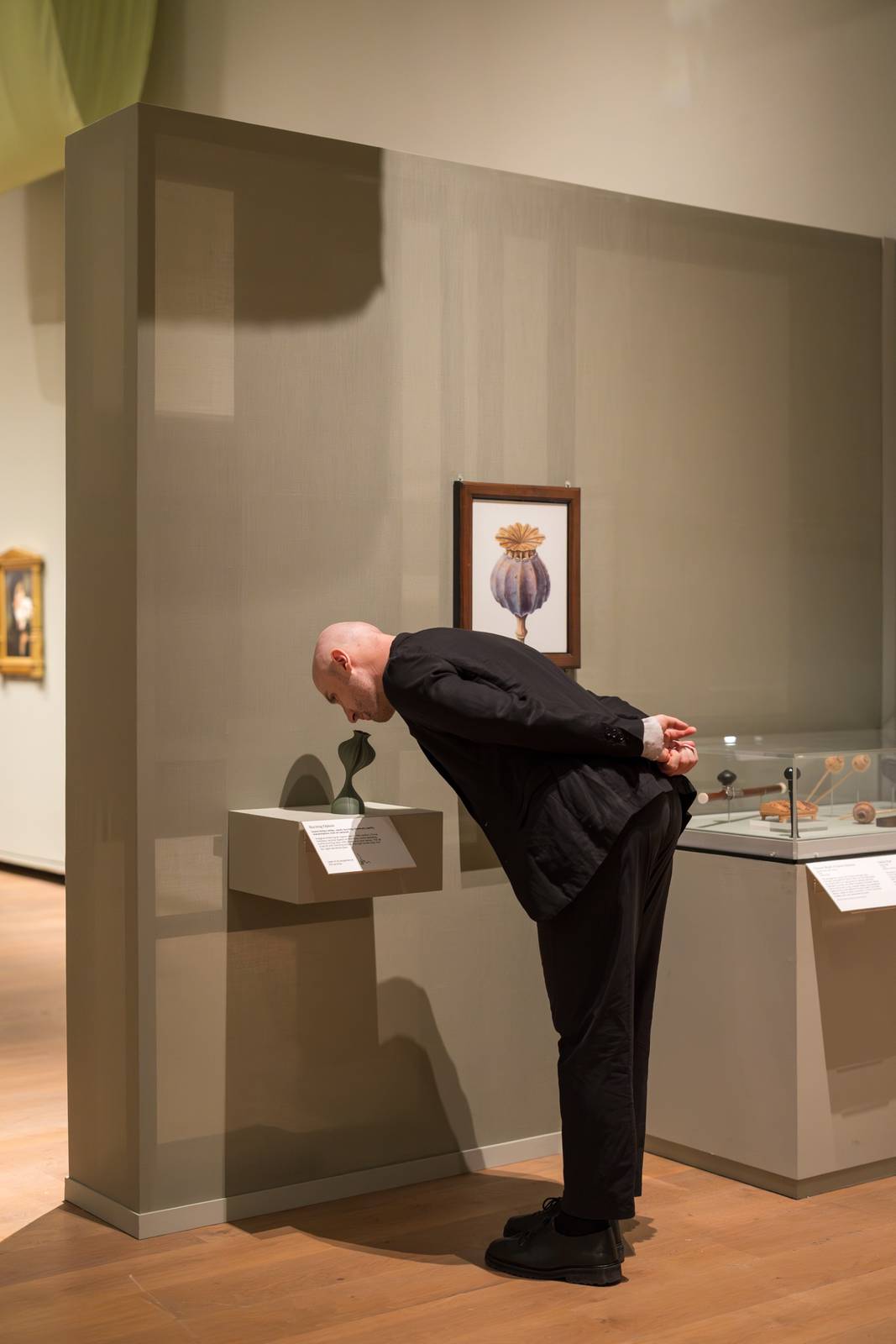
Do your exhibitions stink? Scent is becoming a popular feature in museums, but what makes olfactory visitor experiences effective? We will explore the theory, practice, benefits and pitfalls, with useful tips to help harness scent as an interpretive tool.
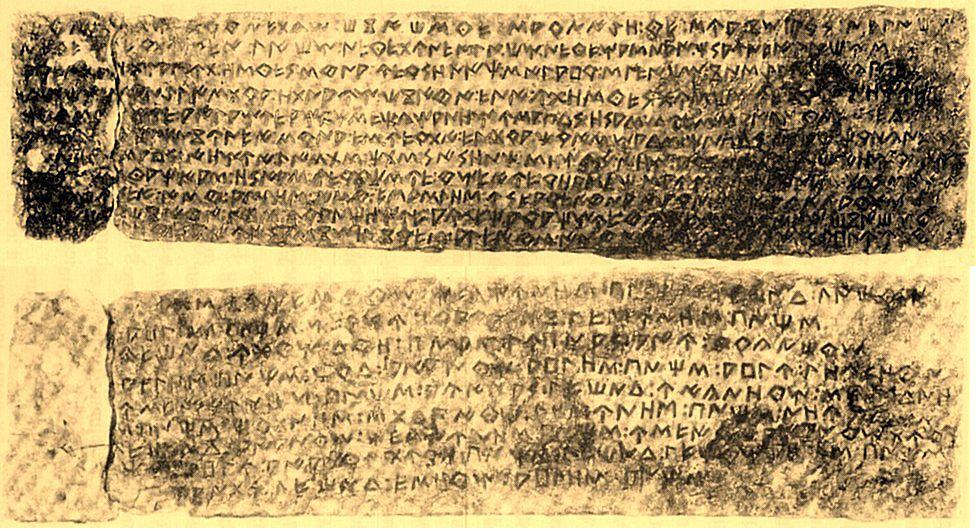
What do we really know about the Celtic world? These ancient communities left us captivating artefacts and imposing earthworks, but also with more subtle clues from which we can tease out the origins of the peoples who have come to be known as the Celts.

In World Archaeology we explore the emergence of past societies in multiple regions of the Earth. Some are mysterious and lost in the mists of time, while others underpin cultures that exist in our world today.

This course introduces the archaeology of ancient South Asia. From the mighty Himalayas in the north to the waters of the Indian Ocean in the south, we will explore the archaeology and very early history of the region from 3000 to 500 BCE.
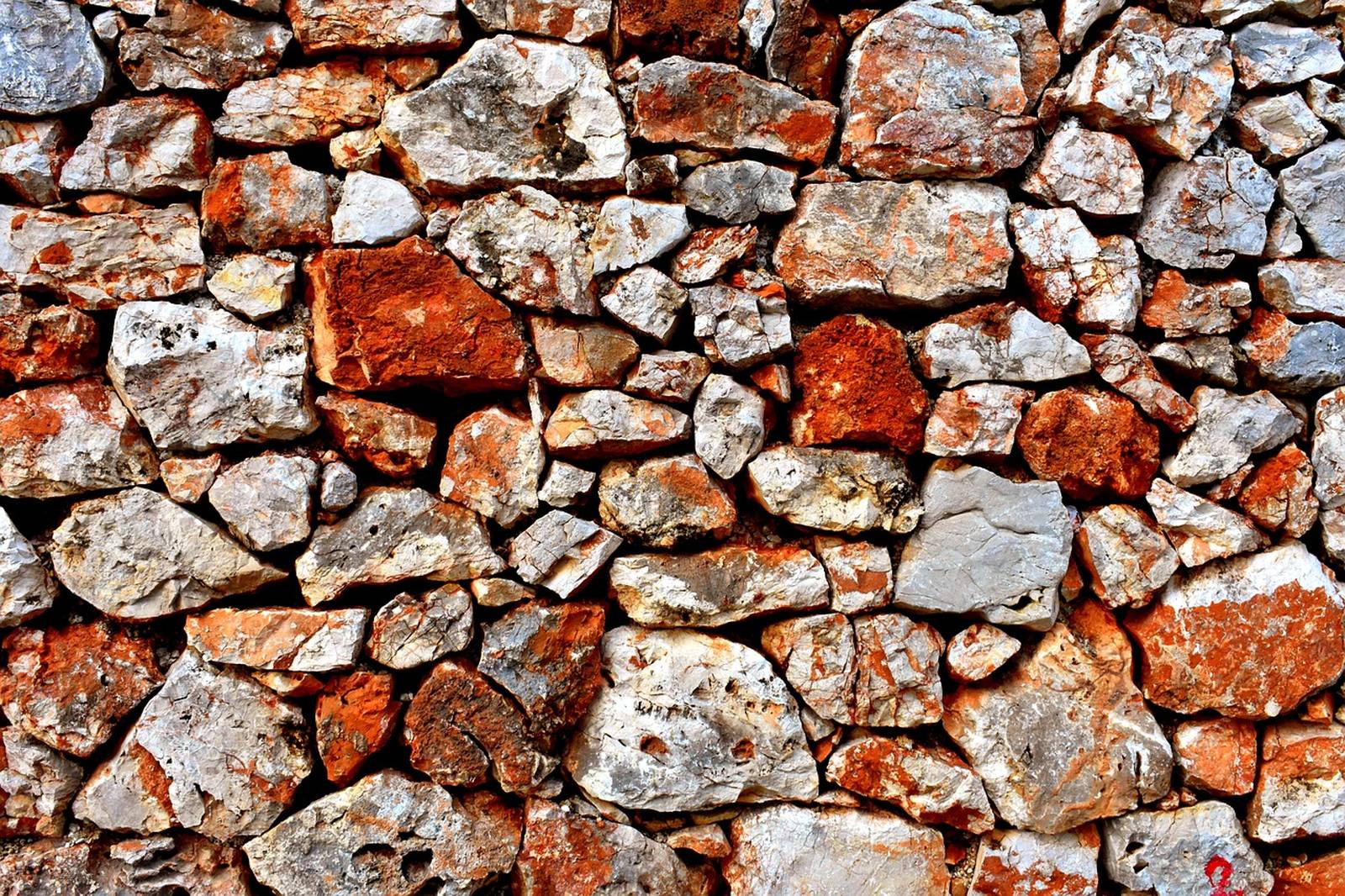
What links the ground beneath our feet to our cultural heritage? How do local building variations emerge and develop? Why is traditional building practice still important? Join this course to explore the material culture of historic buildings in Britain.
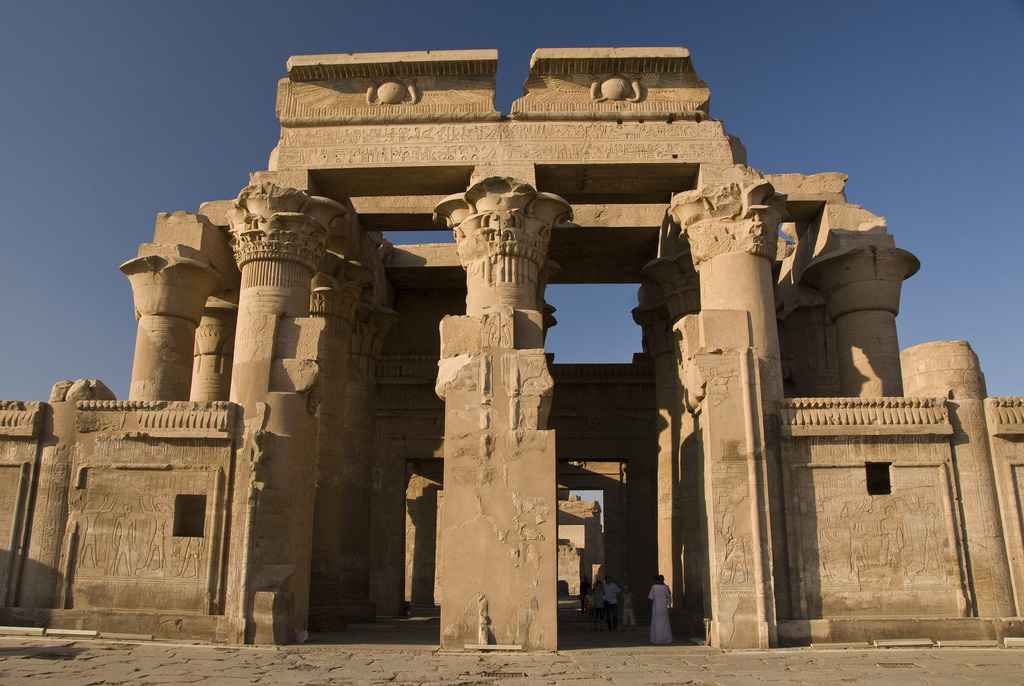
From royal pyramids, court artisans and powerful pharaohs, to grandiose temples, mysterious gods and foreign invasions, participants will experience the world of ancient Egypt, its highs and lows, and the rich tapestry of its culture.