Award courses
MSt in Literature and Arts

Course status:
Open

Duration:
2 years, part-time

Study format:
In person and online

Level:
Postgraduate
Explore our past through the lens of human creativity.
This two-year part-time Master’s in Literature and Arts offers the opportunity to study the literature and arts of three different periods of British history – ranging from the sixteenth to the nineteenth centuries – in an interdisciplinary manner. It is a part-time course designed so that students can combine study with work or caring responsibilities. The MSt in Literature and Arts (MLA) is a stand-alone qualification, but it is also an excellent preparation for doctoral work.
The course involves four residences in Oxford of five days each, and two distance learning modules studied online. During the second year, students develop their research skills by contributing a paper to an online journal before completing a final dissertation on a chosen topic. Students are supported by individual tutorials and supervisions.
Core subjects provide a strong contextual and critical framework for interdisciplinary study, while a wide range of options allows students to specialise in particular disciplines or periods.
KEY INFORMATION
Upcoming application deadline: Wednesday 27 January 2027, 12:00 GMT


This literature and arts course brings together the creative, intellectual and manufactured output of people in the past. It has a twofold aim – to explore the past through the lens of human creativity, and to inform our understanding of that creativity by studying the context within which it emerged. It is therefore an interdisciplinary programme which encompasses literature, history, history of art and architecture, and history of ideas.
Based in Oxford, and taking full advantage of the remarkable human and cultural resources that this university has at its disposal, the literature and arts course is designed around three sequential periods of British history, from the early modern period (c.1450–1688) to the long nineteenth century (c.1800–1914). By studying each period through a range of disciplines, students will acquire a broad and multifaceted picture of the past. Within this framework, achievements such as Milton’s poetry or Wren’s architecture can be understood not only as products of their times but also as uniquely inspired works and as influences on future developments.
Interdisciplinary study raises important methodological questions. How do you analyse and interpret a painting if you have only worked with texts? A poem if you have previously focused on documentary sources? A building if your background is in the study of ideas? How can meaningful connections be made between these different forms of evidence? An online element early in the course provides the opportunity to discover, practise and develop these skills, while engaging with current theoretical approaches to interpreting source material. A more advanced online component in the second year focuses on interdisciplinary research skills, including contributing to a small volume of papers related to the chosen dissertation topic.
While focusing on British history and culture, the course begins with an introductory unit that places Britain in a global context and explores its cultural relationships with the wider world since the sixteenth century. Using the Ashmolean Museum’s international collections and their emphasis on global interaction, this unit examines the formation of British culture through influences from beyond Europe.
The course aims to enable students to specialise in particular disciplines and, ultimately, in a chosen historical period, while structuring their learning within a strong contextual and critical framework. It seeks to help students make full use of the University’s resources, including libraries, museums, historic buildings and digital facilities, while providing high-quality academic and pastoral support. The programme also encourages collaborative learning and promotes an inclusive understanding of cultural history in which the experiences and contributions of all people are recognised.
The Master’s in Literature and Arts has been designed to enable students to combine study with their obligations to professional work or family duties.
The course is ideal for the following:
- Graduates in humanities disciplines who have entered employment but wish to maintain their momentum of study by progressing to a postgraduate qualification. This group includes teachers, librarians, archivists and others working in humanities-related professions.
- Humanities graduates who would like to study part-time because of other responsibilities, including caring roles.
While the Master’s in Literature and Arts can be taken as a stand-alone qualification, it also provides excellent preparation for doctoral study.
Programme structure
Year One:
Two core courses in year one introduce students to postgraduate research skills and methodologies, using a series of case studies to explore some of the challenges inherent in interdisciplinary study.
After taking a broad view of British culture in a global context at the first residence (Core Course 1), the three subsequent residences enable students to choose from a range of subjects from different humanities disciplines related to the historical period assigned to that residence. Options are taught in both morning and afternoon sessions and span literature, history, visual culture, and political thought/theology.
Year Two:
At the start of year two, students attend the fourth residence. A final core course in cultural theory prepares students for writing the dissertation. This includes writing an article for, and contributing to the production of, the course’s online journal, Vides. The dissertation occupies the final two terms of year two.
Core courses
Core courses are delivered through a combination of residential teaching and online distance-learning modules.
Residences:
Students attend tutorials, seminars and lectures during five-day residences in October, February and late June/July of year one, and in October of year two, in addition to an induction day before the first core course. These residences provide approximately eighty hours of face-to-face teaching across the programme.
Distance learning:
The online modules are supported through a dedicated Virtual Learning Environment. Students participate in online discussions and have access to Oxford University Library Services, including the Bodleian Library and faculty libraries. The modules are designed to be accessible without advanced technical knowledge, and individual tutorials and dissertation supervisions are provided throughout the programme.
Options
Each options residence begins with an historical introduction to the period and concludes with a plenary session exploring connections between the subjects studied. Students select two options from four available within each period grouping. Subjects may vary between years.
Early Modern:
- Shakespeare in History – Dr Lynn Robson
- Tudor Monarchy – Dr Janet Dickinson
- The Elizabethan Country House – Dr Gillian White
The Long Eighteenth Century:
- Green Retreats: Nature and Landscape in Eighteenth-Century Literature – Dr Carly Watson
- The Rise of Landscape in British Painting – Dr Kathy McLauchlan
- Bentham, Hume and Eighteenth-Century British Philosophy – Dr Magnus Moar
- Overseas Trade and the Rise of Britain as a Superpower – Dr Mike Wagner
The Long Nineteenth Century:
- Genre and Fiction in the Long Nineteenth Century – Dr Octavia Cox
- Classical Power: Legacies of Antiquity in British Art, c.1770–1860 – Dr Brigid von Preussen
- The British Empire and the Country House – Professor Yasmin Khan
- History, Historiography and Medievalism: The Victorians and the Crusades – Dr Mike Horswell
Please note that, due to timetabling constraints, it is not always possible to allocate students to all of their preferred options.
Dissertation
An 11,000-word dissertation forms the focus of the final two terms of the second year. It should demonstrate knowledge and awareness of more than one subject discipline. Students choose a dissertation topic in consultation with the Course Director and receive guidance from an assigned supervisor.
Oxford College affiliation
As a matriculated postgraduate degree student, you will become a member of one of the University’s multidisciplinary colleges, enabling you to engage with students and academics from a wide range of disciplines.
For a list of colleges that accept students on the MSt in Literature and Arts, please see the Graduate Admissions course page.
To find out more about Oxford University colleges, please consult the University’s Graduate Admissions website.
Course Co-Directors
Departmental Lecturer; Co-Director, with Dr Pippa Byrne, of the MSt in Literature and Arts (MLA), and Course Director of the DPhil in Literature and Arts (DLA).
Associate Professor in History and Co-Director of the MSt in Literature and Arts (MLA).
Other core teaching staff
Associate Professor of British History at Oxford Lifelong Learning, member of the History Faculty, and Fellow of Kellogg College.
Associate Professor in English Literature and Fellow of Regent’s Park College.
Senior Associate Tutor in History at Oxford Lifelong Learning and Lecturer at New York University in London.
Assessment is through four assignments of 4,000 to 5,000 words, each submitted following a residential module, and an 11,000-word dissertation. The four assignments contribute 40% of the final mark and the dissertation contributes 60%.
VIDES (Volume of Interdisciplinary Essays)
Students produce VIDES as part of their work on the course during the second year, as preparation for the dissertation. Working collaboratively, students are divided into small committees responsible for peer-reviewing, proofreading, copy-editing and designing the journal. VIDES means ‘you see’ in Latin, but also serves as an acronym for Volume of Interdisciplinary Essays.
VIDES 2026
This fourteenth issue of VIDES offers a wide-ranging perspective on British culture — in the broadest sense of the term — from the early modern period to the early twentieth century. Across twenty-four diverse articles, contributors from around the world present interdisciplinary reflections on objects, images, texts, and ideas from both the distant and more recent past. The articles lie at the intersection of literature, art, history, and philosophy, and are organised into four thematic sections: ‘Nature, Science, and Modernity’; ‘Social Worlds: Class and Gender’; ‘Forms of Seeing: Aesthetics and Representation’; and ‘Empire and Material Culture’. Together, they chart a rich and varied map of British life — domestic and imperial, elite and popular, official and subversive — through the material traces that remain.
The articles address a wide range of topics, from forgotten scientists and the moral authority of Victorian domestic life to the complexities of identity. Questions of class, gender, and representation are explored through painting, poetry, and prose, alongside the imperial reach of British culture as reflected in porcelain, sculpture, and garden design. This volume moves between stage and landscape, between symbols of mourning and medieval rites, and across satirical prints and portraiture.
With its richness of perspectives and interpretations, VIDES XIV, sheds a distinctive light on what British culture made of itself and of the world across four centuries. ► VIDES 2026 – Volume 14
Degree-level qualifications
As a minimum, applicants should hold or be predicted to achieve the following UK qualifications or their equivalent:
- a first-class or strong upper second-class undergraduate degree with honours in a humanities subject.
For applicants with a bachelor’s degree from the USA, the minimum overall GPA that is normally required to meet the undergraduate-level requirement is 3.6 out of 4.0.
If your degree is not from the UK or another country specified above, visit our International Qualifications page for guidance on the qualifications and grades that would usually be considered to meet the University’s minimum entry requirements.
English language proficiency
This course requires proficiency in English at the University’s higher level. If your first language is not English, you may need to provide evidence that you meet this requirement. Further information on English language requirements can be found here.
Please visit the MSt in Literature and Arts page on the University of Oxford Graduate Admissions website for details of course fees and costs.
Please see our funding page for help and information with regard to funding postgraduate studies. We further recommend that applicants search for funding opportunities via the online Fees, Funding and Scholarship search tool.
In order to be considered for many scholarships, applicants are required to apply by the January deadline. However, applicants should note that some scholarships require additional application materials and may have different deadlines, so applicants should make sure they check the application process for each scholarship carefully.
Applications for this course should be made via the University of Oxford Graduate Admissions website. This website provides information on fees and entry requirements, along with help on preparing and submitting your application.
Application deadlines
12:00 midday UK time on:
- Stage 1: Wednesday 27 January 2027 (Latest deadline for most Oxford scholarships)
- Stage 2: Tuesday 2 March 2027
When to apply
Early application for the programme is strongly advised. After the March deadline, the course will only stay open for that year’s entry if places are still available.
Remember that it can take a number of weeks to obtain all of the documents you need and to prepare a competitive application. You should also allow your referees plenty of time to submit your references. We therefore recommend you apply as soon as possible.
Interviews are normally held as part of the admissions process within six weeks of the application deadline.
Contact us
If you have any questions about this course, please email: mla@conted.ox.ac.uk
STUDENT SPOTLIGHTS

Cait's passion for English literature was rekindled after taking several online short courses with the Department. After a transformative experience studying for the Certificate in English…
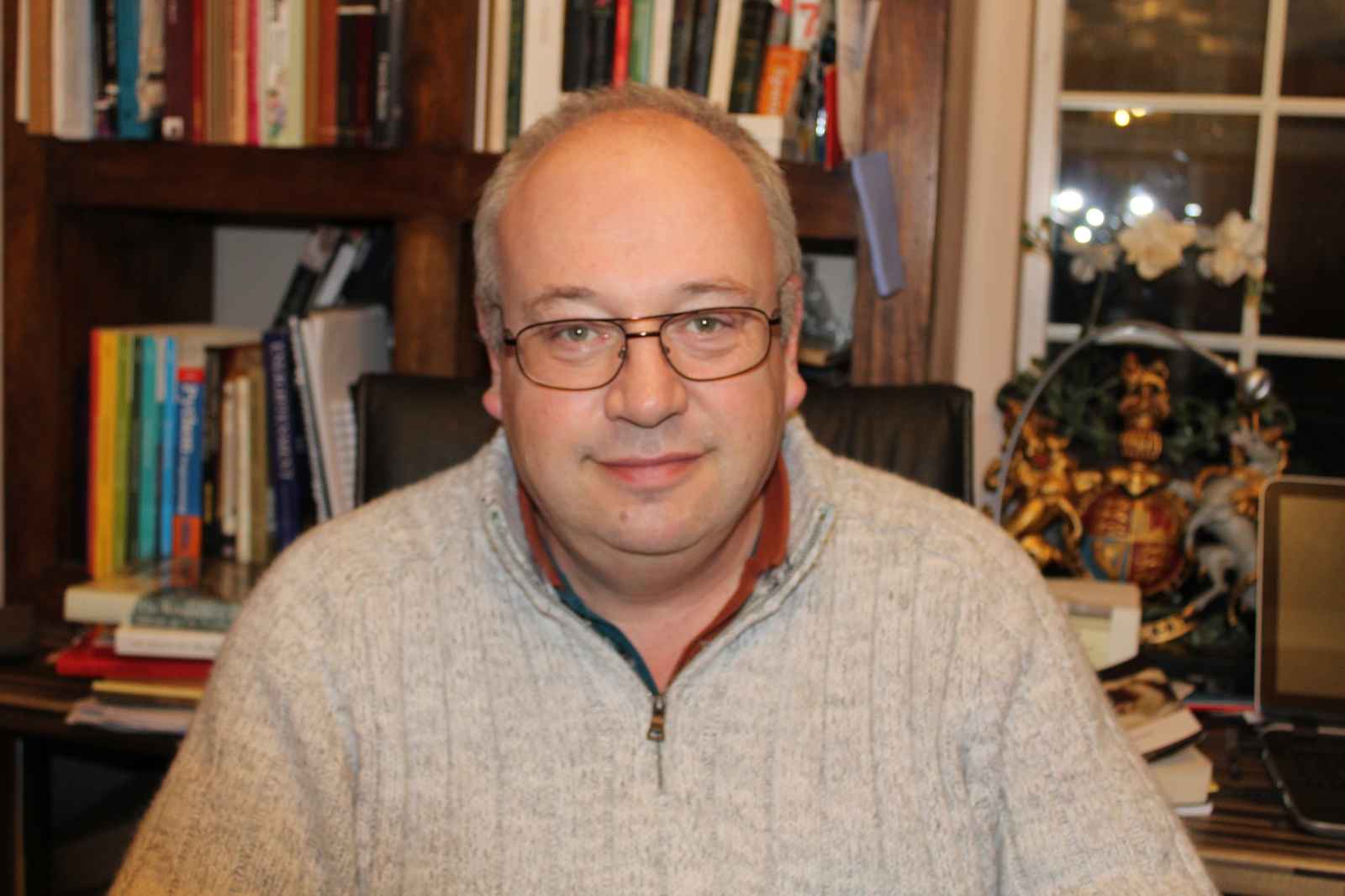
Having previously completed master’s degrees in business and finance, encouragement from his family inspired Simon to take an intellectual break from financial services and apply…

After first studying at Oxford in the 1990s, Lucy returned years later to take the MSt in Literature and Arts while balancing family life and…
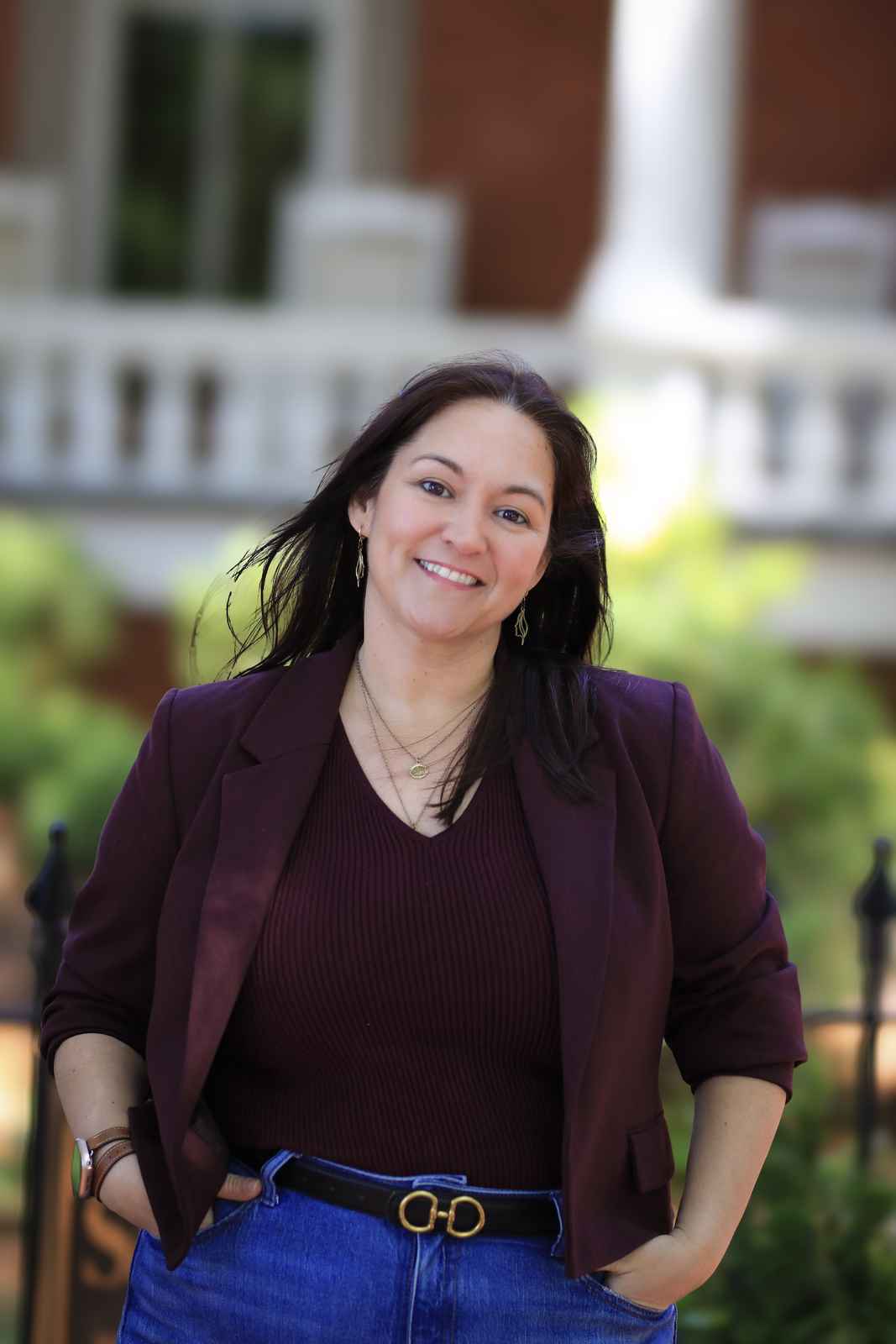
A lifelong lover of literature and language, Elizabeth enrolled on our MSt in Literature and Arts to deepen her passion while balancing work and family…