
Is there a true story that only you can tell? This course is designed to provide you with the skills you need to turn experiences, recollections and real-life phenomena into literary works that are enjoyable and accessible to a wider audience.
Filter by:
Filters
Start month
Day of the week
Time of day
Is there a true story that only you can tell? This course is designed to provide you with the skills you need to turn experiences, recollections and real-life phenomena into literary works that are enjoyable and accessible to a wider audience.

This course examines the social, economic, religious, and political contexts under which women have always made art, but have largely been marginalised in its formal histories and markets.

The course focuses on analysing original passages from some of the greatest ancient Greek authors, tackling some challenging grammatical and syntactical phenomena and learning about ancient Greek culture and thought.

This course introduces the archaeology of ancient South Asia. From the mighty Himalayas in the north to the waters of the Indian Ocean in the south, we will explore the archaeology and very early history of the region from 3000 to 500 BCE.

Augustine, the famous 5th-century North African bishop: profound philosopher, brilliant writer and preacher, fierce debater. Together we will read a wide selection of his works, including some transcripts of his sermons, to let him speak for himself.

Introduction to the content of the Old Testament/Hebrew Bible and the New Testament, together with their religious and socio-political backgrounds, languages and main theological themes and interpretations.

This course provides a solid grounding in business sustainability leadership, introducing key topics such as net zero and the circular economy, and guiding participants to lead meaningful sustainability initiatives in their own organisations.

This course will take you on a journey through time, visiting climates during Earth's history. It will explain how the past can connect to the future. When we reach the dawn of humanity, we will look at the interaction between climate and us.

An introduction to Cognitive Behavioural Therapy that will enable both experienced clinicians from other therapeutic traditions and people with a general interest in therapy to gain a foundation in key CBT theory and skills.
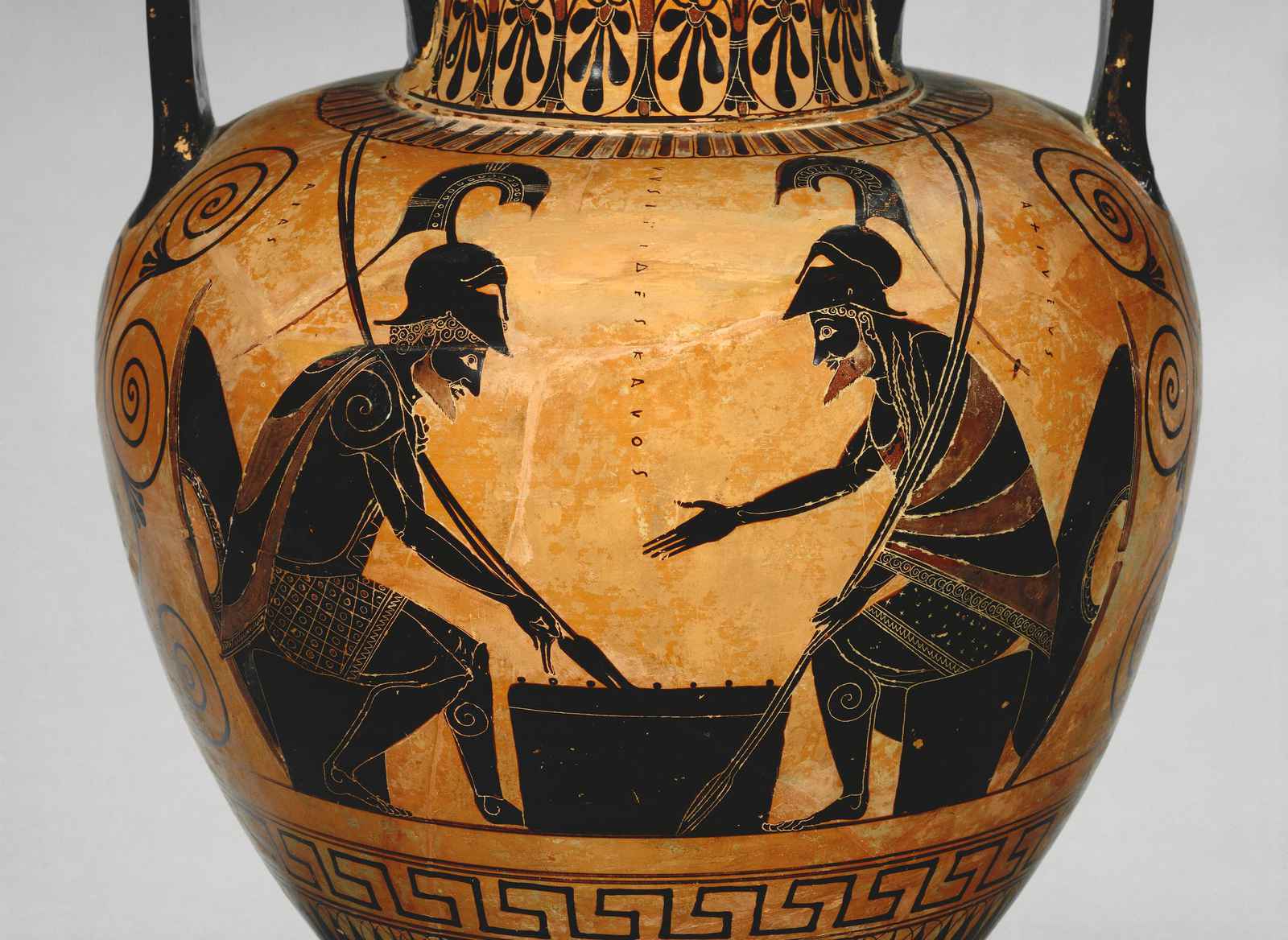
Why engage with an approach to ethics that is 2,300 years old? Because ethics without Aristotle is inconceivable, and his insights into what is good for humans remain invaluable. Join in to explore and discuss the 'Nicomachean Ethics'.

This introduction to Existential Therapy will enable both experienced clinicians from other therapeutic traditions and those with a general interest in therapy to gain a foundation in key existential theory and skills.

This course equips leaders and students with tools from the UN's Faith For Rights framework to merge human rights with faith ideals, fostering cohesive communities. It will be delivered through lectures, sharing of case studies and peer-to-peer learning.