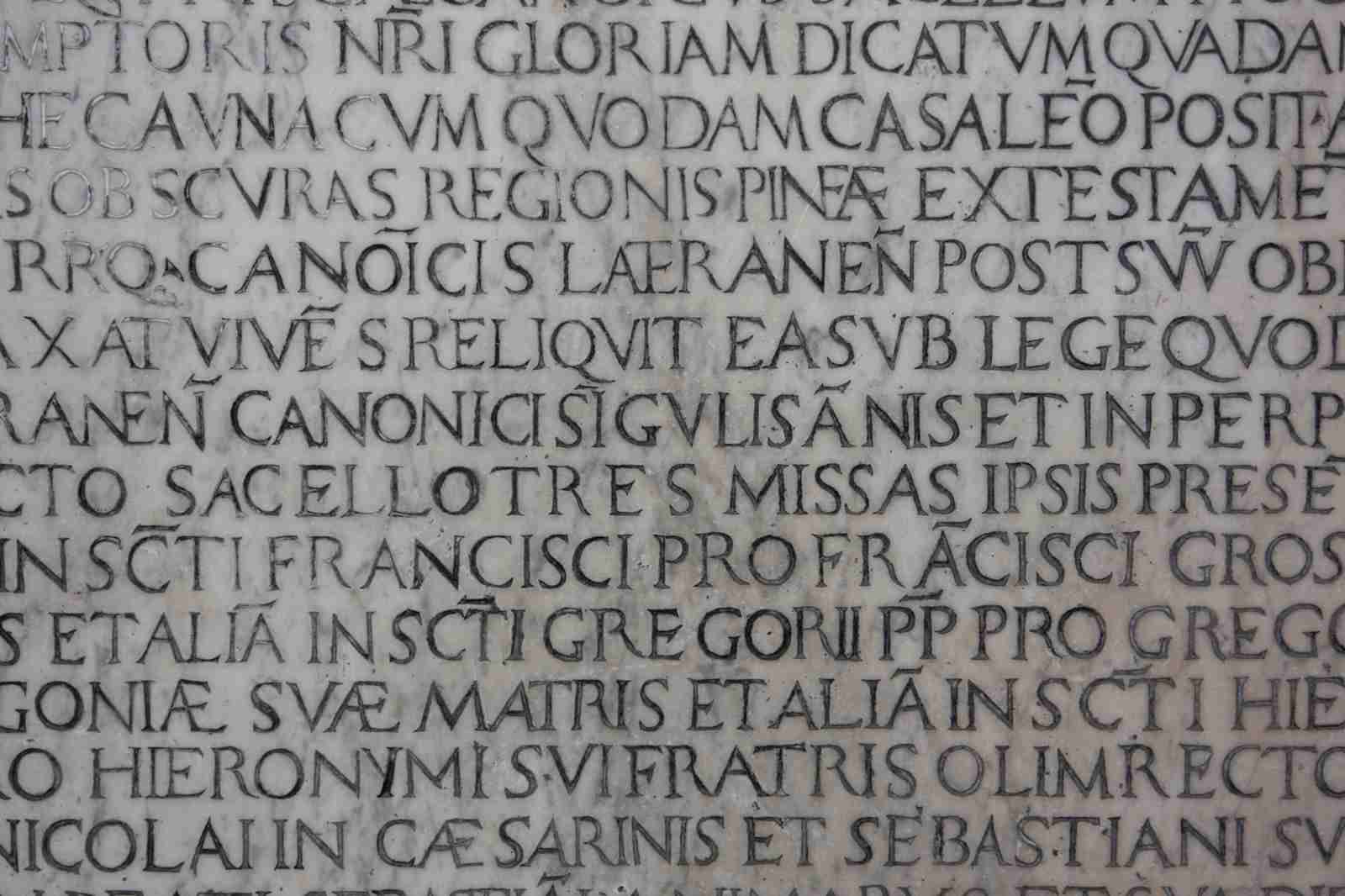
This course continues to introduce the basic principles of Classical Latin. It provides a firm basis of grammar, sentence structure and vocabulary of the language, through which you will be able to read and translate Roman drama in adaptation.
Filter by:
Filters
Start month
Day of the week
Time of day
This course continues to introduce the basic principles of Classical Latin. It provides a firm basis of grammar, sentence structure and vocabulary of the language, through which you will be able to read and translate Roman drama in adaptation.

Middle English literature is not all prayer and piety and men in armour. Find a rich cultural heritage in Middle English poems, plays and prose.

The course looks at what, if anything, it is that Jews, Christians and Muslims are agreeing about when they claim that there is a God; and we shall look at what, if any, prospects there are for rationally defending or attacking this claim.

The art of prehistoric Europe is rich with imagery such as cave paintings, carvings, body ornamentation and frescoes. This course considers a range of sites and artefacts in our exploration of the unique and creative ways people visualised their world.

Learn about R programming with this online course. At an introductory level, this course provides you with a solid foundation of the R programming language. Here you will learn the basics of R and gradually move to data processing and manipulation.

An introduction to metaphysics, the most general investigation of reality. It has been at the centre of philosophy since the beginning of the Western tradition in ancient Greece, and many of its concerns are the same as those of Plato and Aristotle.

Students on this course will gain knowledge about social entrepreneurs, and how to develop creative solutions to address social problems utilising Gandhi's model of 'be the change you wish to see in the world' to make a difference in the lives of others.
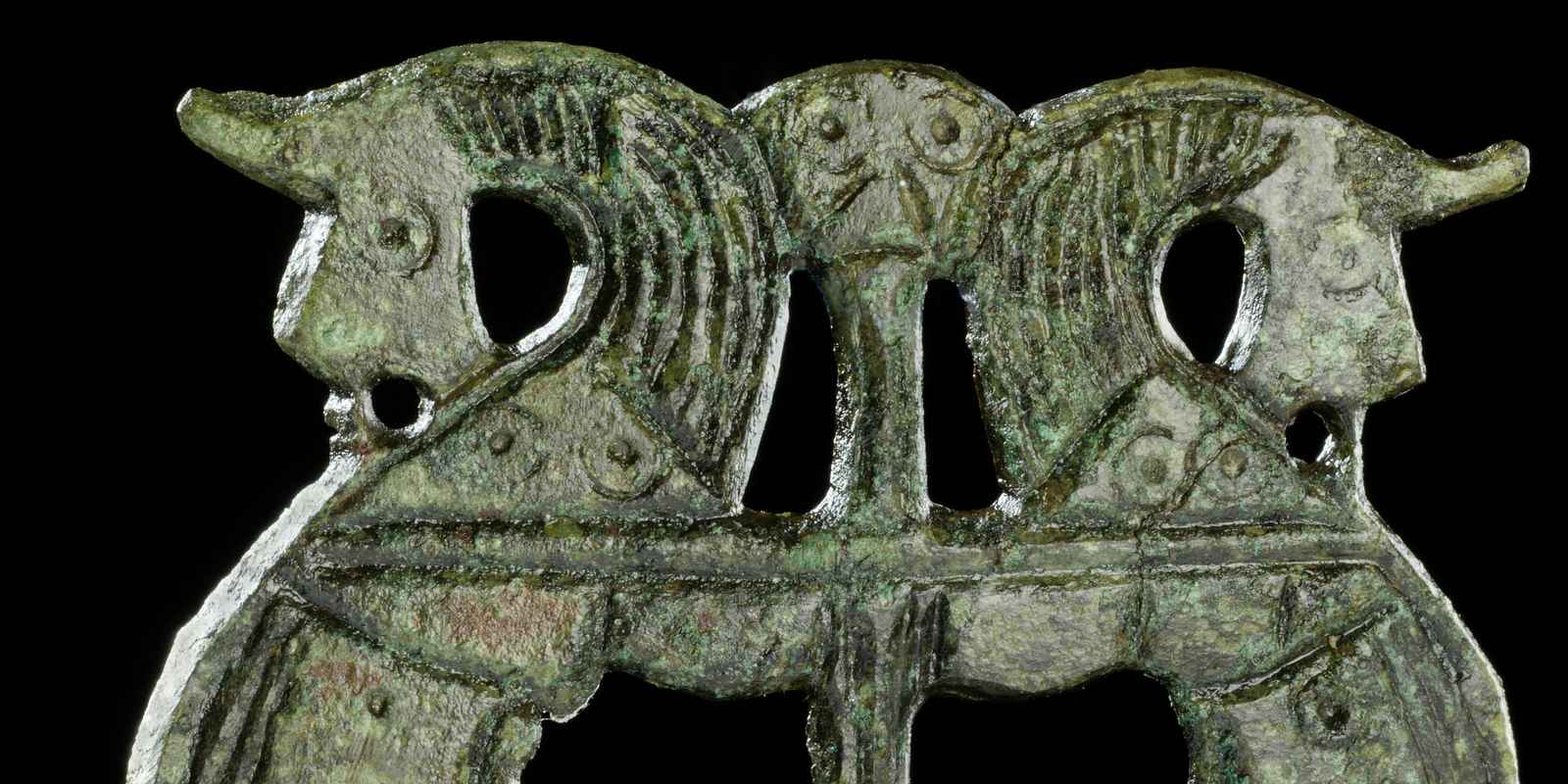
Ravagers, despoilers, pagans, the Vikings are often regarded as bloodthirsty pirates. Yet they were also traders, settlers and farmers with a thriving artistic culture and legal systems. Using archaeology we examine the varied aspects of the Viking world.

This course is for those who would like to write but don't know how; who tried once and gave up; or who already write but would like to improve; and for readers who have no desire to write but want a different perspective on how fiction works.
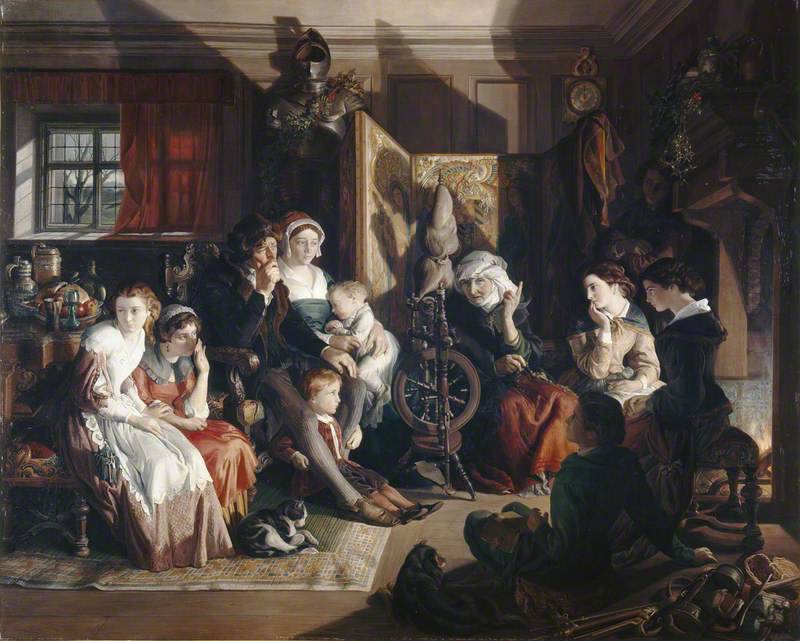
This course provides an historical introduction to the development of folklore studies in Britain. It will review historical conceptions and approaches to folklore from the seventeenth-century antiquarians to the present.

This course builds on Part 1, and allows you to extend and revise your grammatical knowledge so far while reading some engaging texts in Greek.

Introduction to the content of the Old Testament/Hebrew Bible and the New Testament, together with their religious and socio-political backgrounds, languages and main theological themes and interpretations.