Improve your language skills, and understanding of the culture, society and daily life in Japan. We will be covering the four language skills and exploring the culture at the lower intermediate level.
Course search results
Filter by:
Filters
Start month
Day of the week
Time of day
Discover the core mathematical methods used in economics and learn essential quantitative skills. Designed for those studying economics or related fields, with no prior A-level mathematics required.
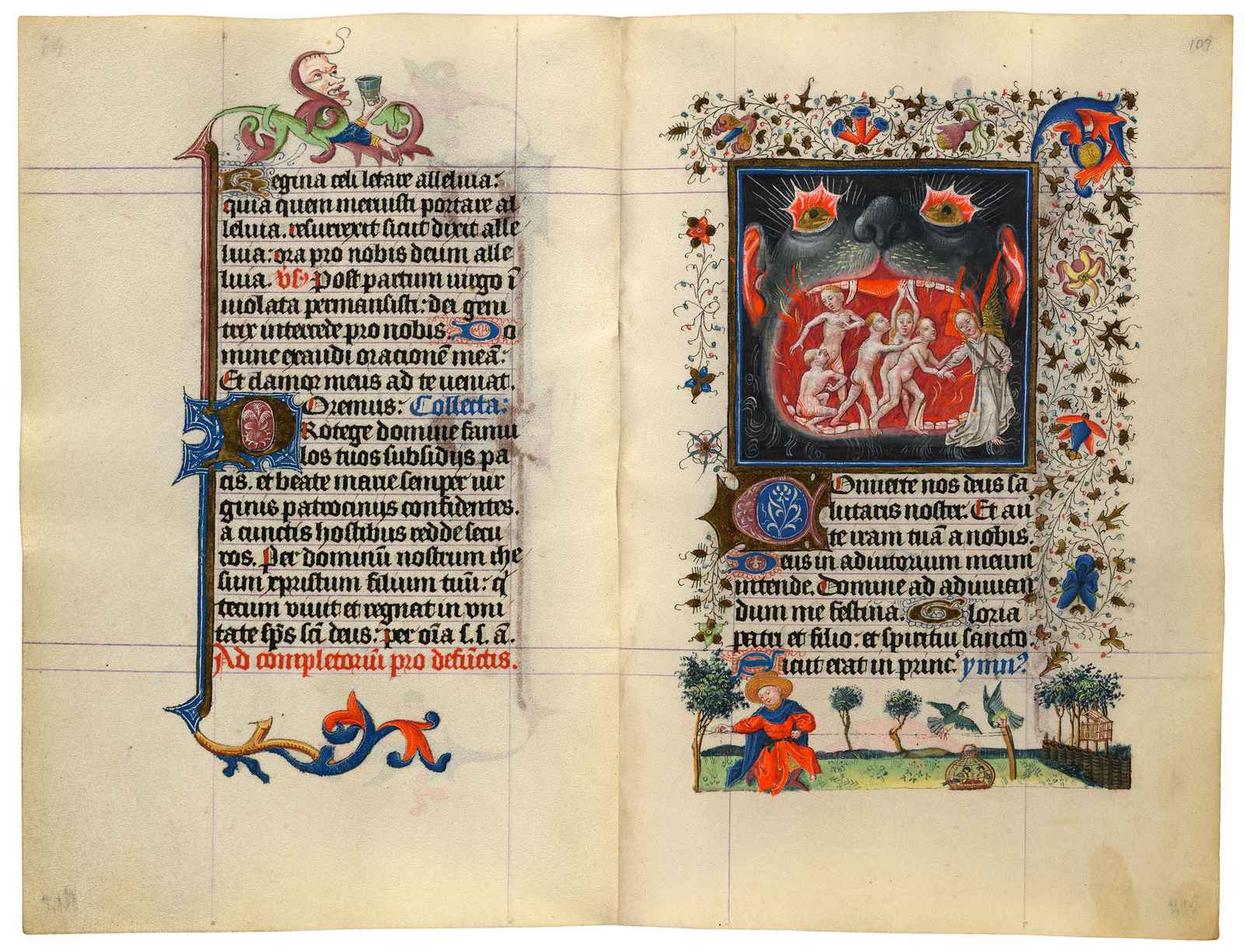
Medicine and magic were deeply interconnected ideas in the medieval world. In this course we will explore how these two areas of medieval life interacted with one another and became, at times, inseparable.
An introduction to key psychodynamic concepts and practices including self-reflection applied to the understanding of human relationships. Based on psychoanalytical theory.
Develop your language skills and deepen your understanding of the culture, society and daily life of Spanish-speaking countries at a lower-intermediate level.
200 years of upheaval in the British Monarchy, from the death of Britain's longest-reigning King to that of the world's longest-reigning monarch to succeed as an adult. Tumultuous times met partly with development by evolution, at others by upheaval.
Drawing on psychology and other human sciences, see how photographs both create and convey meaning across self and society. Apply these ideas practically for a more deliberate approach to image making through theory, discussion, and structured critique.
What makes a compelling character, and how do we write one? In this course we'll look at the characters we love and investigate how to breathe life into characterisation in our own work through a series of practical writing exercises and class discussion.
You will learn and hone essential techniques for writing traditional forms of poetry, as well as free verse, in the talks and workshops of this course.
2026 marks 300 years since the death of John Vanbrugh. His extraordinary career as soldier, playwright, and in heraldry was punctuated by a turn to architecture. We will examine his works, including Blenheim Palace and the role of Nicholas Hawksmoor.
This course will explore the way different texts have been adapted from page to screen. We will look at a variety of original sources, from classic novels and plays to more recent texts, examining the mechanisms by which one form is adapted into another.
How can art give form to the invisible? This course explores the theological and philosophical idea of beauty in Renaissance art, examining how artists used various visual elements to make the divine visible.