
Introduction to the Energy Transition is a course that covers an increasingly important issue with respect to climate change, ecology, energy policies, supply disruption, and competition for energy.
Filter by:
Filters
Start month
Day of the week
Time of day
Introduction to the Energy Transition is a course that covers an increasingly important issue with respect to climate change, ecology, energy policies, supply disruption, and competition for energy.

Linear algebra and its matrices appear throughout the sciences and in the mathematical parts of the social sciences. This basic course is a prerequisite to understanding advanced mathematics and myriad closely and distantly related quantitative fields.
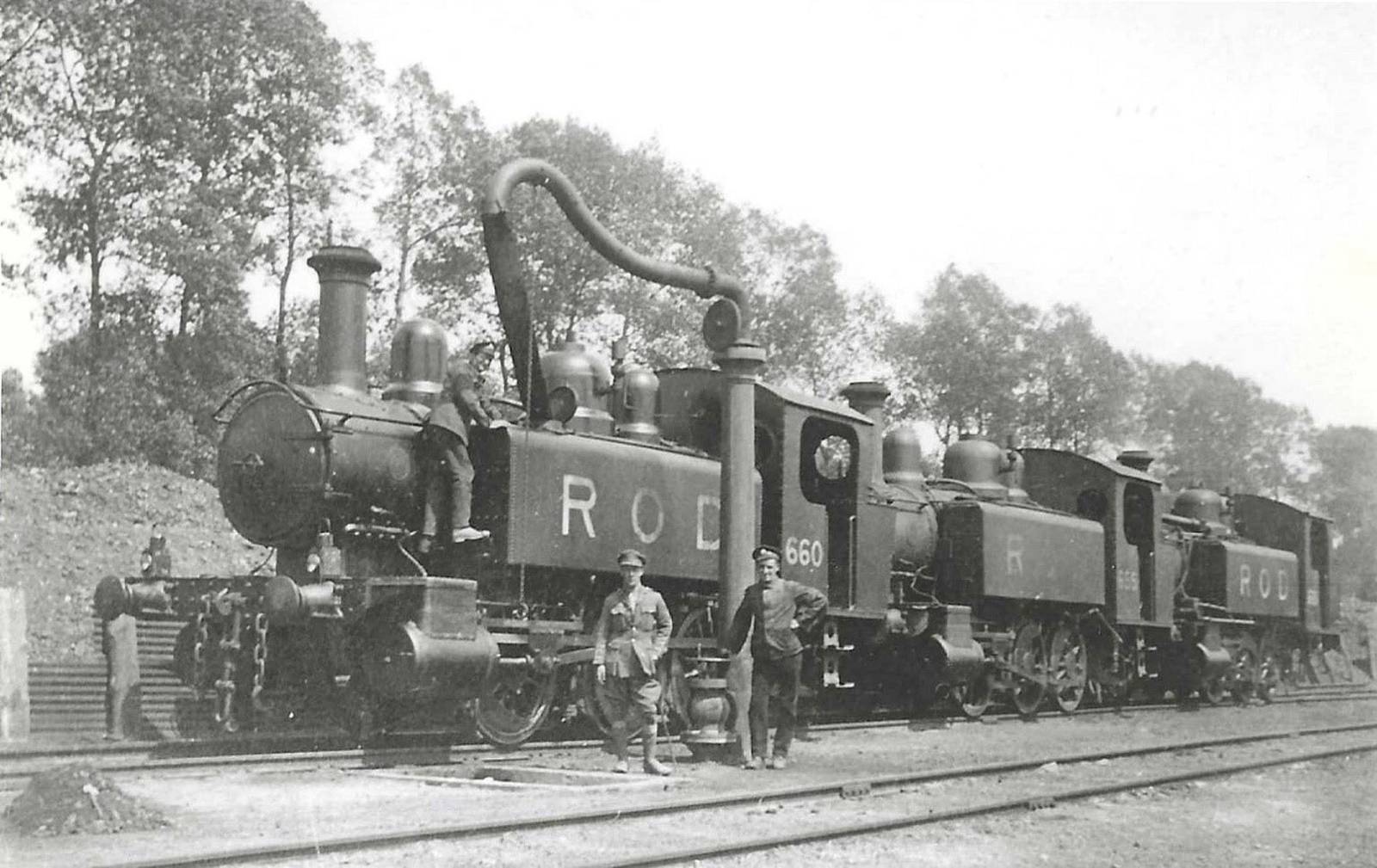
From the American Civil War to WWII, explore how railways moved armies, supplies, civilians and the wounded, shaped strategy, resisted air attack, and became essential to both battlefield success and the home front everywhere.

Every day we meet people with interesting life stories. Our lives are made up of tragic, uplifting and humorous experiences which shape us as individuals. We love, fight, apologise, account for and endure through whatever comes our way.

How do archaeologists recognise and interpret the lives of past peoples and their societies? An introduction to the methods and techniques of archaeological enquiry, from initial site survey and excavation to scientific analysis.

From Paris to Moscow, Glasgow to Barcelona, this short online course examines the richness and variety of European art nouveau.

Aimed at a general audience, including professionals and those with no prior knowledge, this course provides an essential introduction to the key topics underpinning Artificial Intelligence.

Introduction to the content of the Old Testament/Hebrew Bible and the New Testament, together with their religious and socio-political backgrounds, languages and main theological themes and interpretations.

Design, conduct and interpret epidemiological studies in large routine health care databases.

Discover Rogers’ Person-Centred Approach and its influence on counselling, psychology, medicine, education, diplomacy, and (even) sales. A fascinating course for both personal interest or professional growth.

This course is the ideal introduction to English garden history. It provides an overview of five centuries of development, from baroque formalism through the naturalistic landscape style, right up to contemporary cutting-edge planting style.

How old is the universe? How unusual is the Solar System? How will it all end? Oxford astronomers Chris Lintott and Robert Simpson provide an overview of the last 13.7 billion years of cosmic evolution, answering these questions and more.