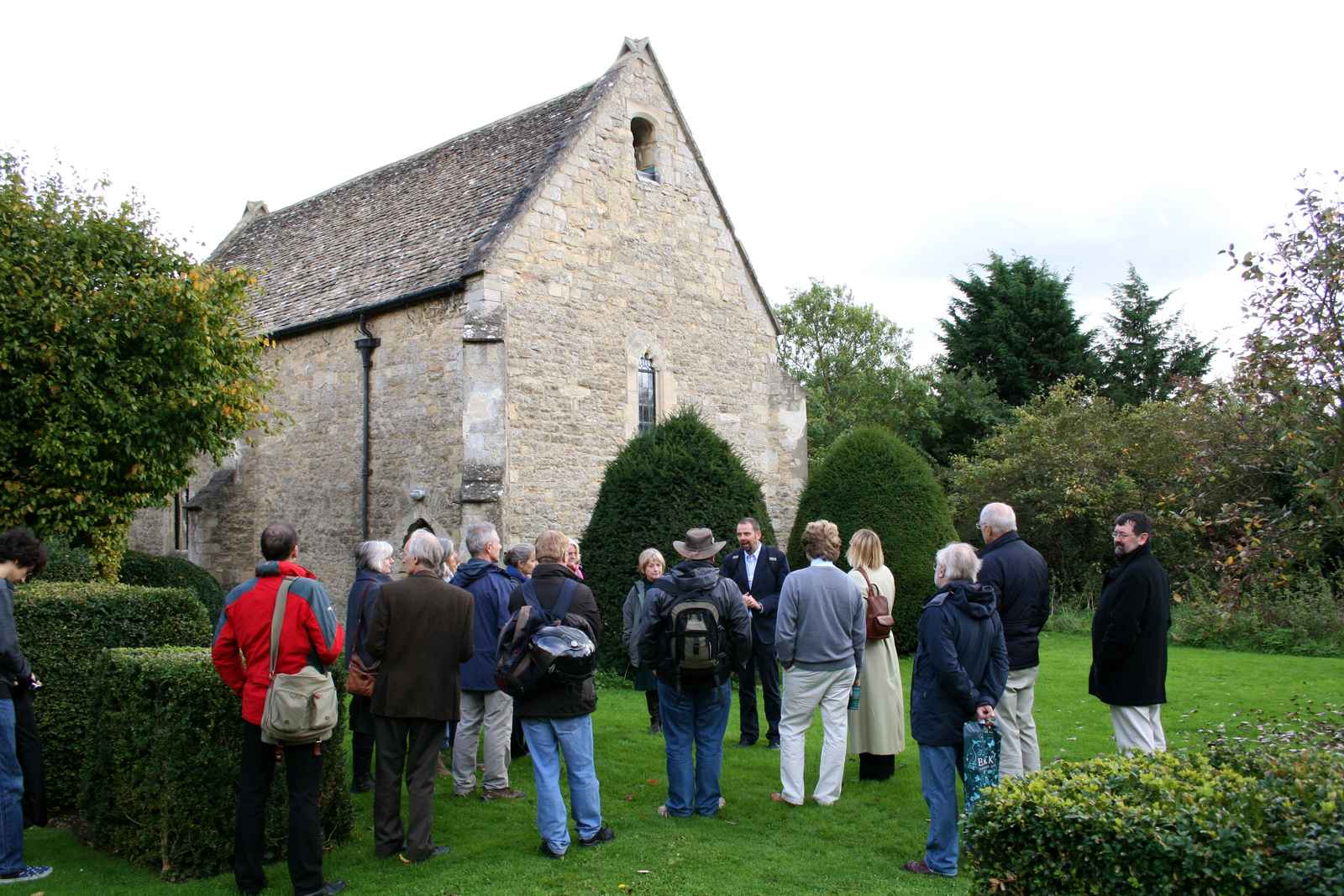
This course will examine five Oxfordshire market towns, all of which were developed as new towns in the Middle Ages - Thame, Chipping Norton, Witney, Woodstock, and Burford. There will be alternating class sessions and field trips to the study towns.
Course search results
Filter by:
Filters
Start month
Day of the week
Time of day
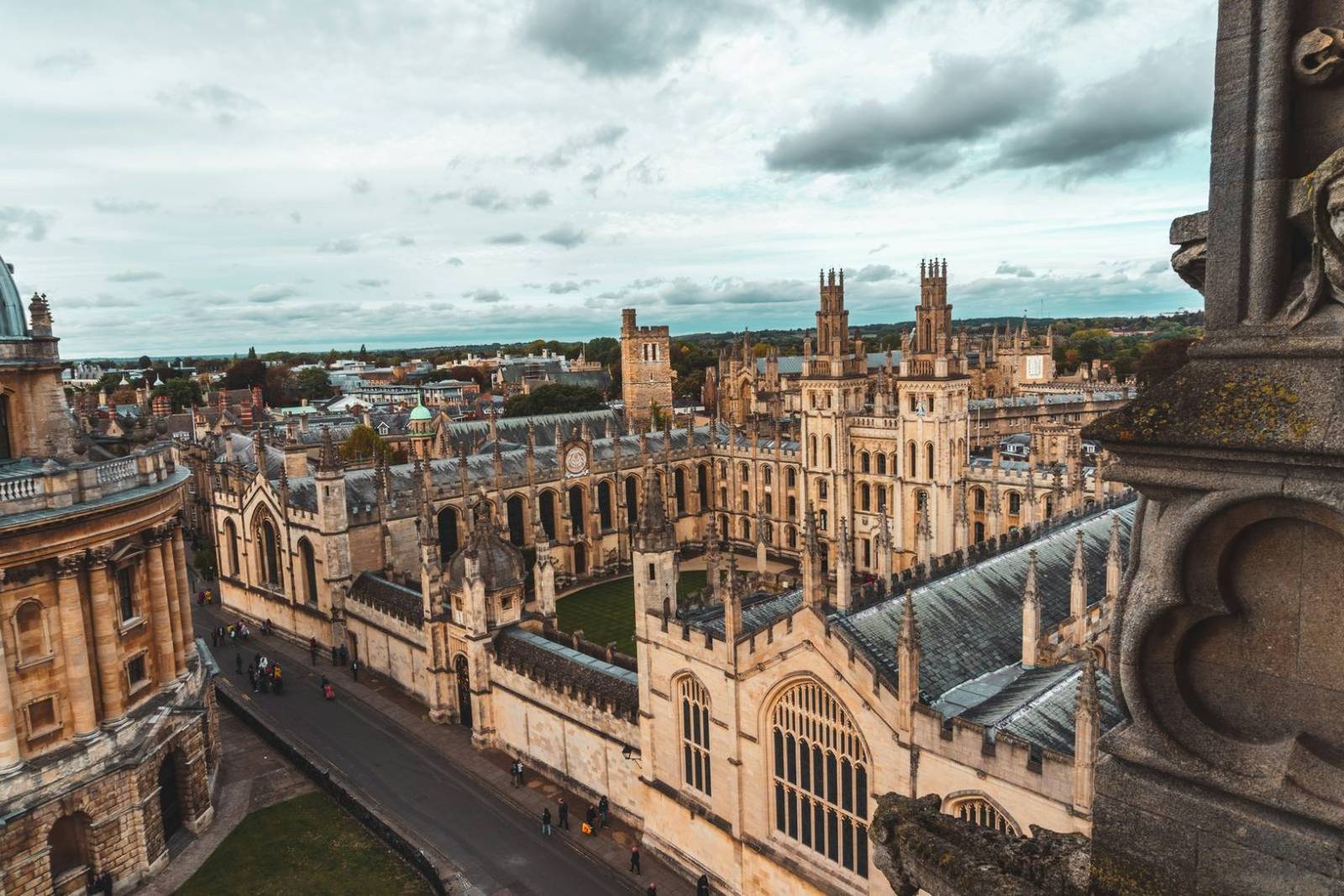
From the oldest to the brand new, join us for this walking tour to examine Oxford's remarkable buildings.
This lecture will will explore the pioneering artists of the 1920s and '30s French Riviera.
This course is the ideal introduction to English garden history. It provides an overview of five centuries of development, from baroque formalism through the naturalistic landscape style, right up to contemporary cutting-edge planting style.
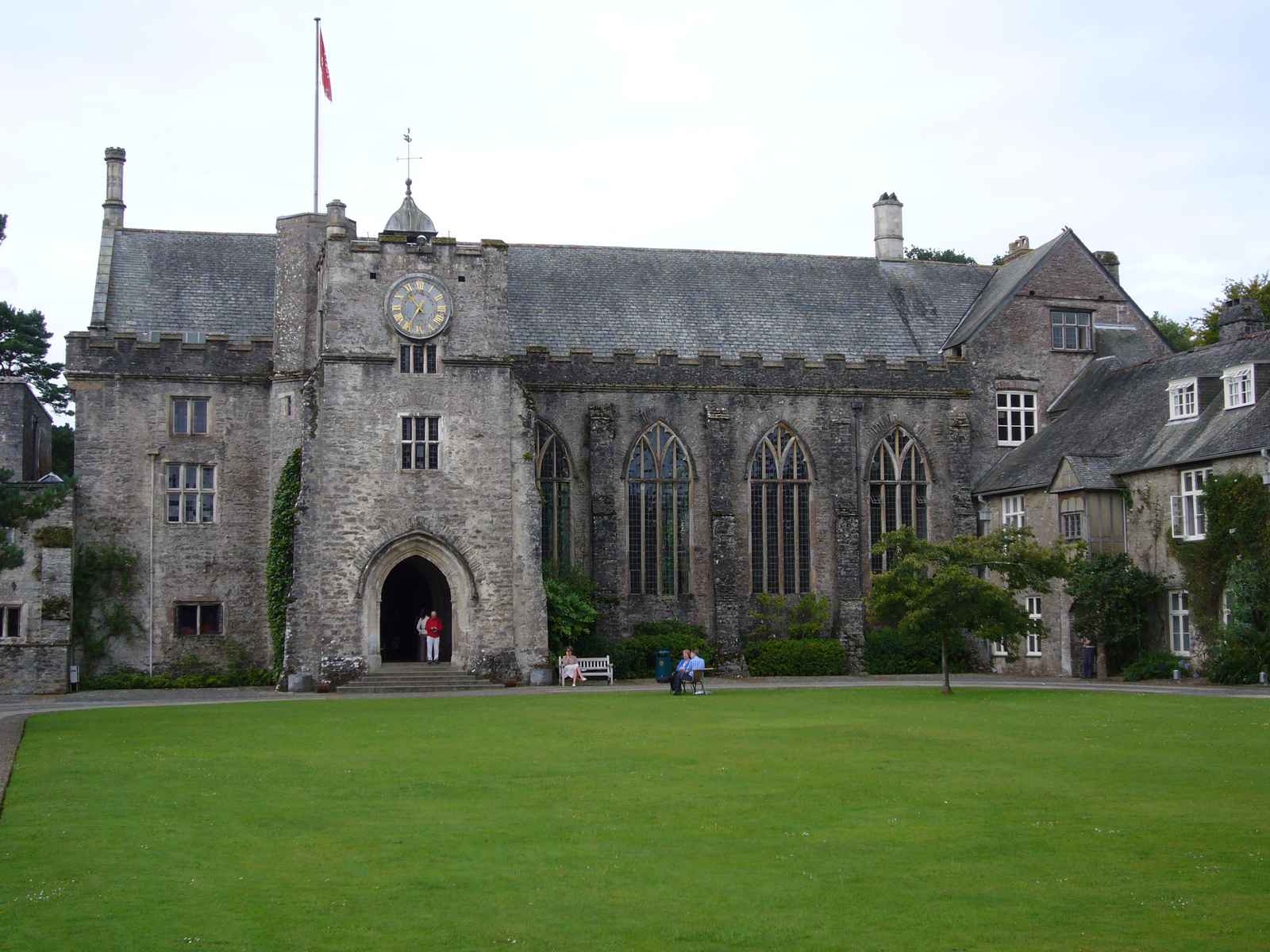
This course aims to give students an introduction and overview of that architectural tradition enabling students to 'read' the architecture of the contemporary built environment in a critically informed way.
This course aims to give participants an understanding of traditional construction and its defects, and to provide the skills to carry out balanced and informed surveys of historic buildings.
This lecture will concentrate upon the lasting legacies of the 1920s, in cultural terms.
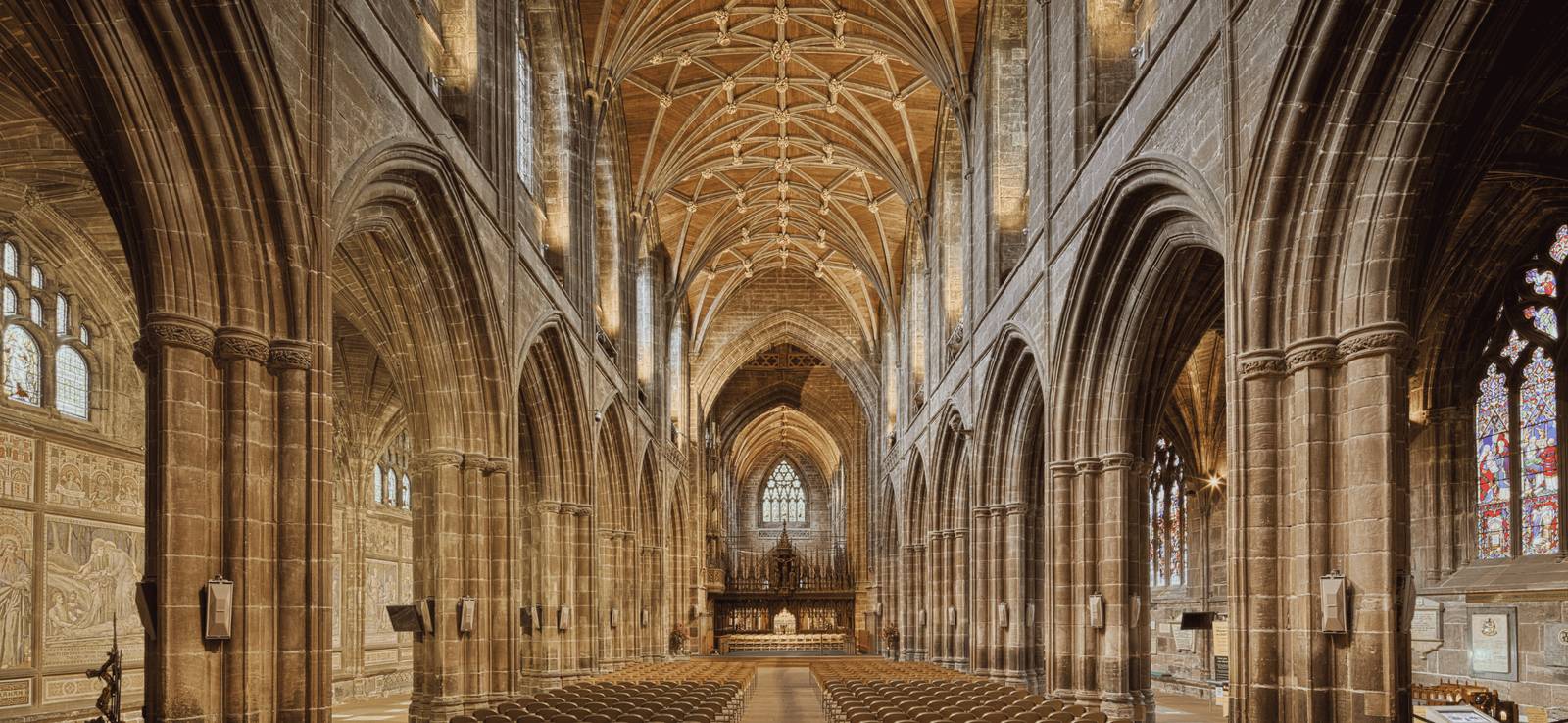
This course will explore the English medieval cathedral as a developing institution which survived over a thousand years of religious upheaval and historical change, focusing on the multifaceted architecture of a range of truly great churches.
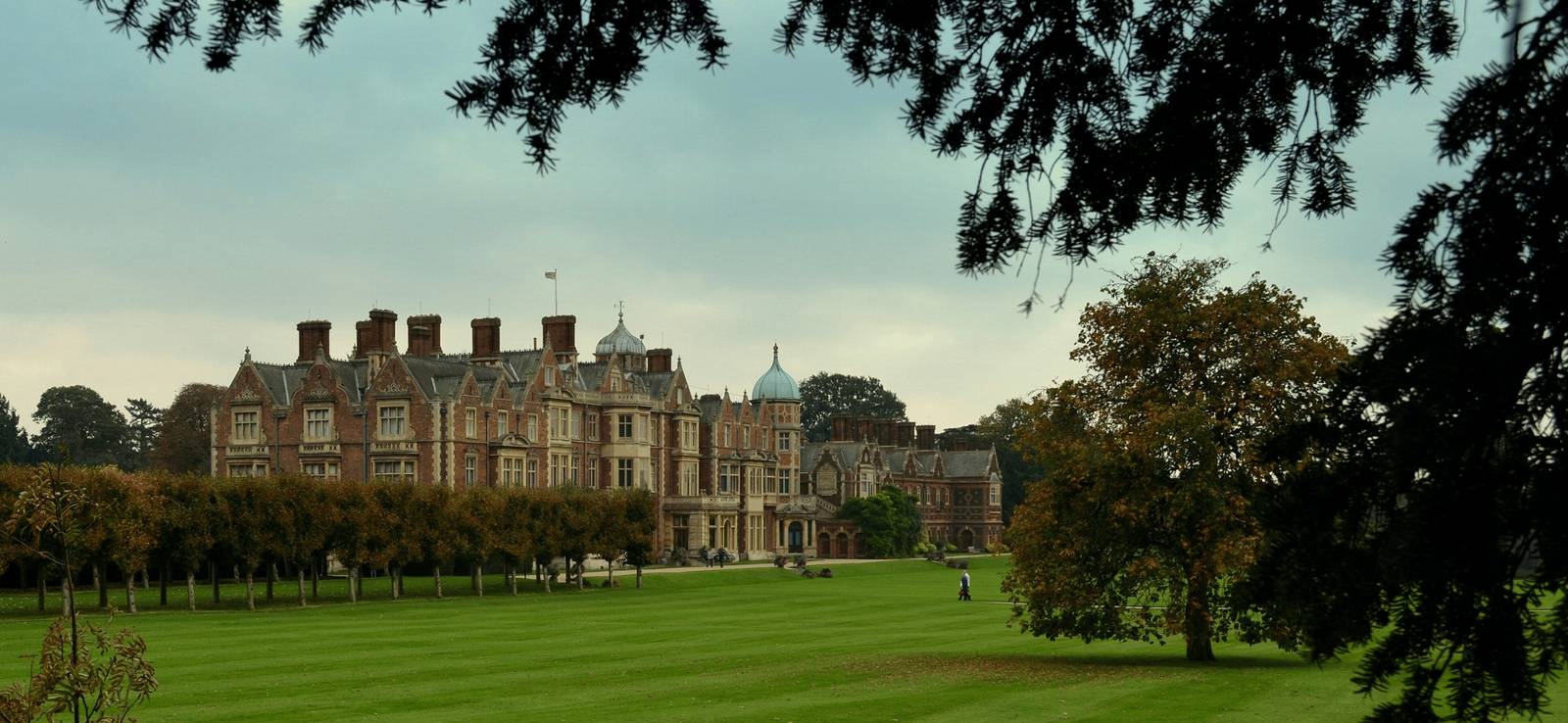
Explore the culture of the English country house from its architectural form, social manners and distinctions to the furnishings and artistic manifestations of taste, as an expression of power and influence in a changing society.
Beginning with the vital structural innovations of the late Victorian era, this online course traces the rise and spread of modernism in European and American architecture, and concludes by examining contemporary architecture and future possibilities.
Significance is now a core concept within our planning process. Its assessment is a key part of management and development within the historic environment. This course will introduce the process, explore the ways in which they can be used, and more.
Explore the evolution of English architecture and the historic environment while building practical skills in architectural analysis. This part‑time certificate combines taught study, fieldwork and an independent dissertation.