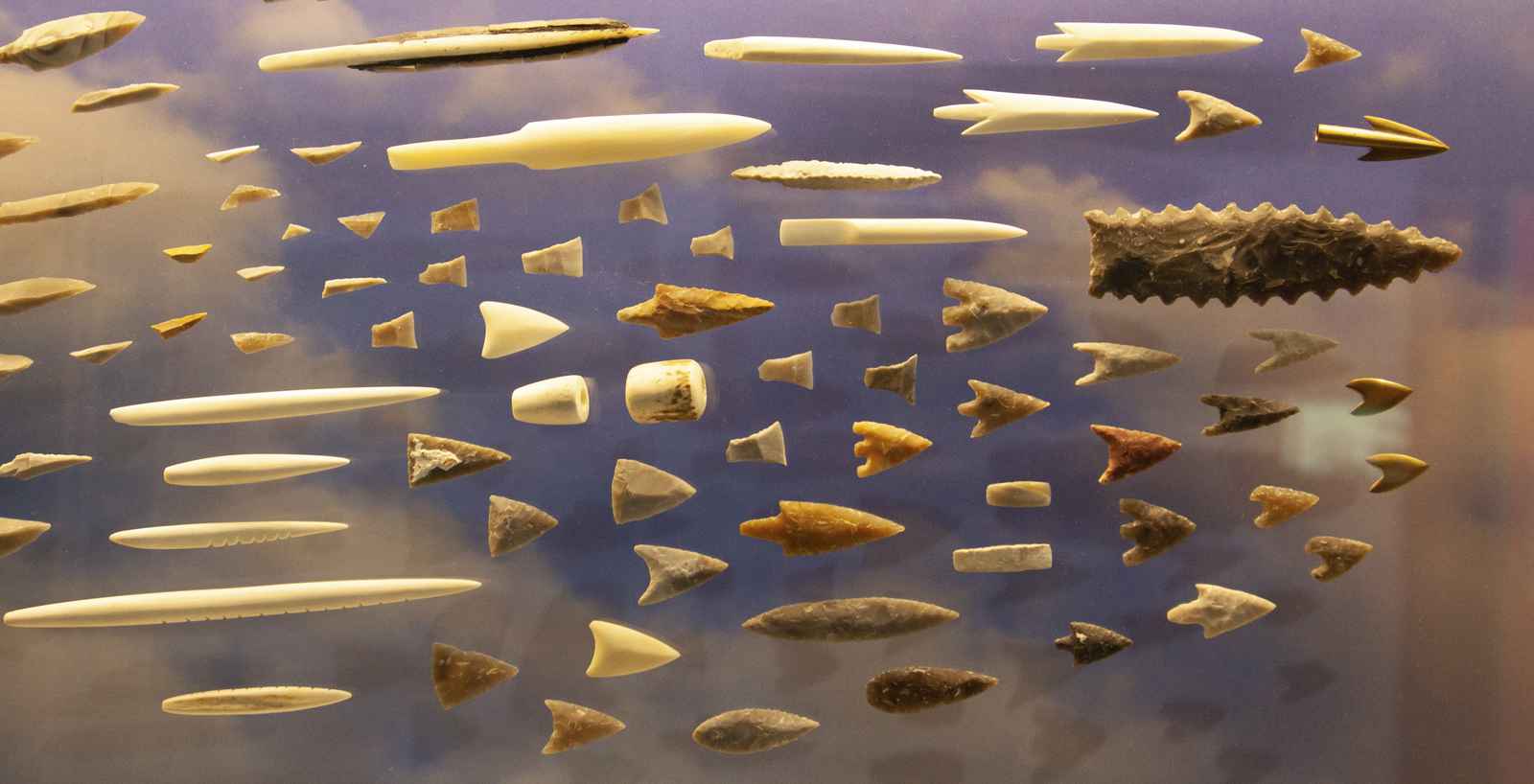
The bow and arrow represents a significant development in projectile technology that dates back as much as 80,000 years ago. Join us to explore the complexities and implications of this technology for early modern human hunter-gatherers.
Filter by:
Filters
Start month
Day of the week
Time of day
The bow and arrow represents a significant development in projectile technology that dates back as much as 80,000 years ago. Join us to explore the complexities and implications of this technology for early modern human hunter-gatherers.

Explore the piano repertoire in a lively mixture of talks and workshops, with all students having regular opportunities to play. This term focusses on interpretation but technical issues will be discussed in the workshops. Open to players of all levels.

'What is truth?' is a perplexing and elusive question. A good first response is that truth and falsity are properties of what people say or think. But how is what we think related to actual facts? And what caused the recent corrosion of truth?
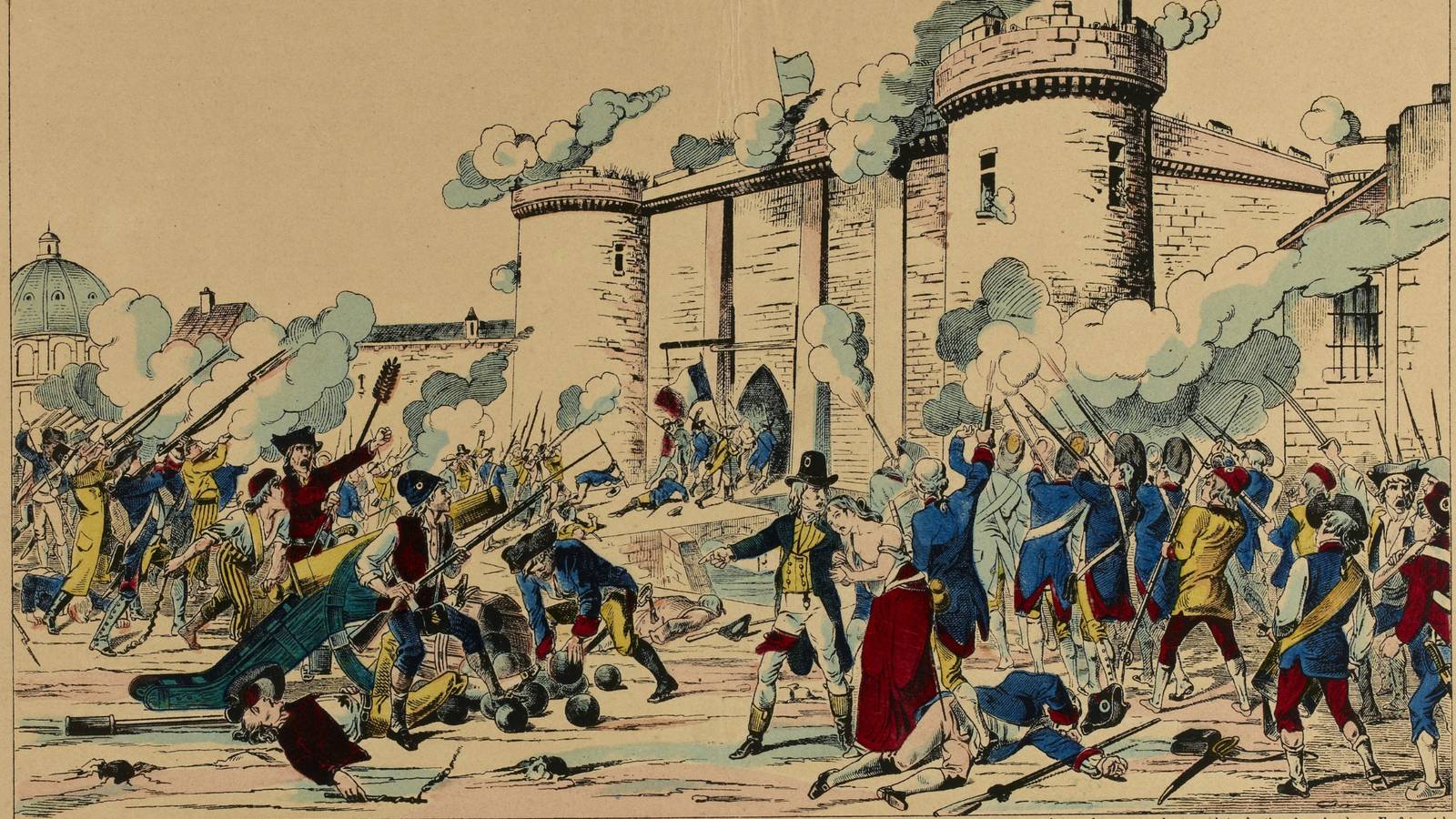
Why did revolution break out again and again during the tumultuous 17th and 18th centuries? And why did they play such a key role in shaping the very nature of modern western political culture? Explore with us this fascinating topic!
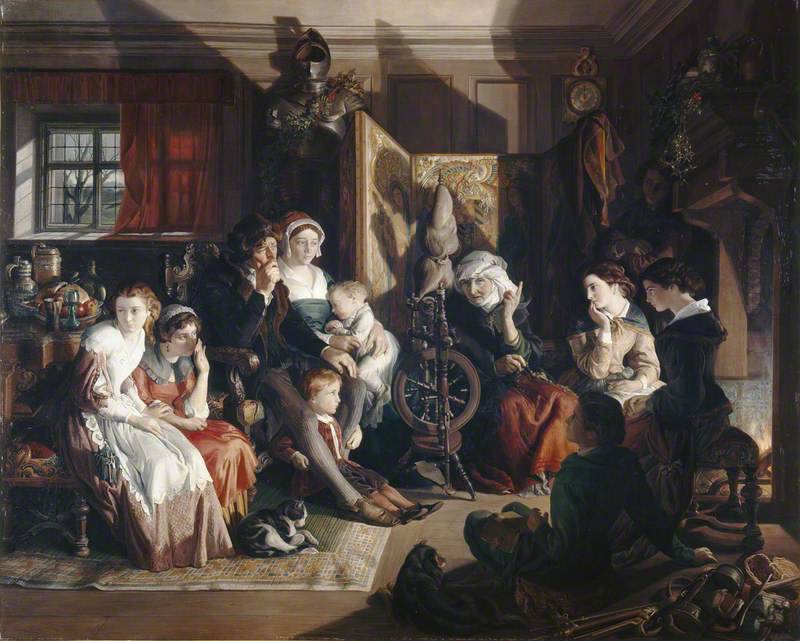
This course provides an historical introduction to the development of folklore studies in Britain. It will review historical conceptions and approaches to folklore from the seventeenth-century antiquarians to the present.

This course explores American art from the late nineteenth century to the postwar era, examining how artists responded to urbanisation, mass media, European modernism, consumer culture, and America’s changing place in the world.
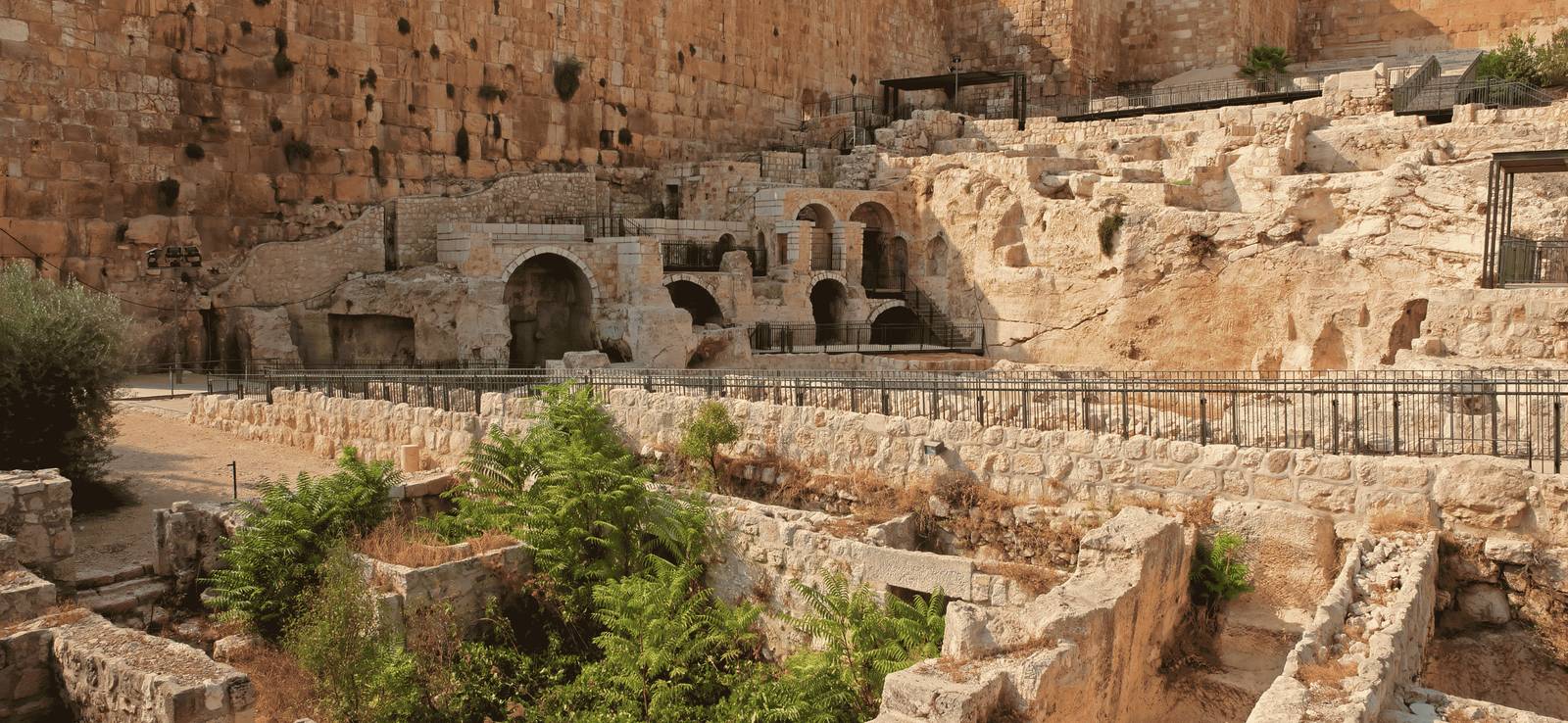
Step into the world of Biblical Archaeology and uncover the secrets of ancient Israel and Judah. Explore how discoveries and artifacts bring the Hebrew Bible to life, while debating the connections between history, interpretation, and faith.

Introduction to the content of the Old Testament/Hebrew Bible and the New Testament, together with their religious and socio-political backgrounds, languages and main theological themes and interpretations.
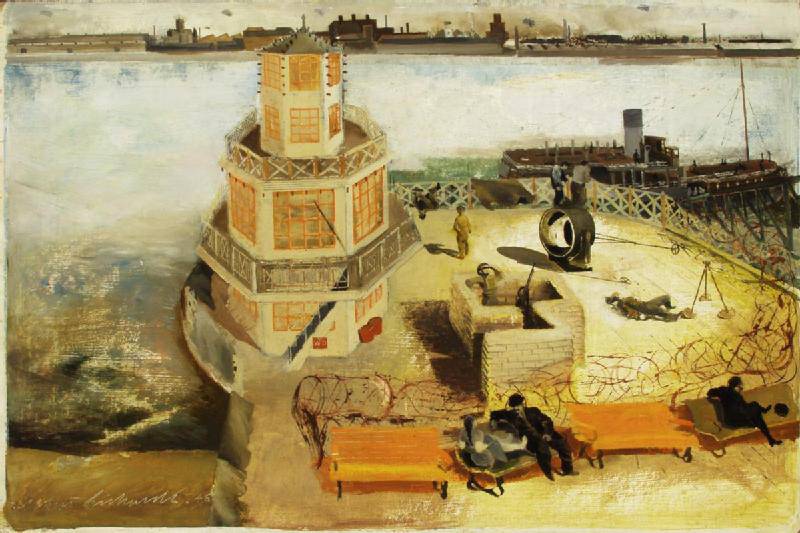
An introduction to British art of the postwar era, from Neo-Romanticism to 'Kitchen Sink' realism and the emergence of Pop Art.
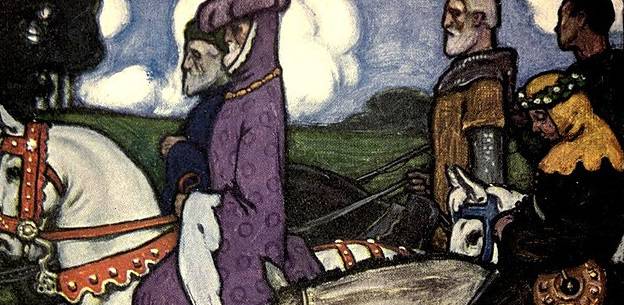
Chaucer's 'Canterbury Tales' have enjoyed a long and continuing life. Looking at the collection in its late fourteenth-century context and then at its afterlife and continuing significance, we can explore readership, reinterpretation and regeneration.

The majority of the world’s population lives in the cities of low- and middle-income countries, often referred to as the Global South. The course explores the rapid growth of such cities, and their place in a sustainable urban future.
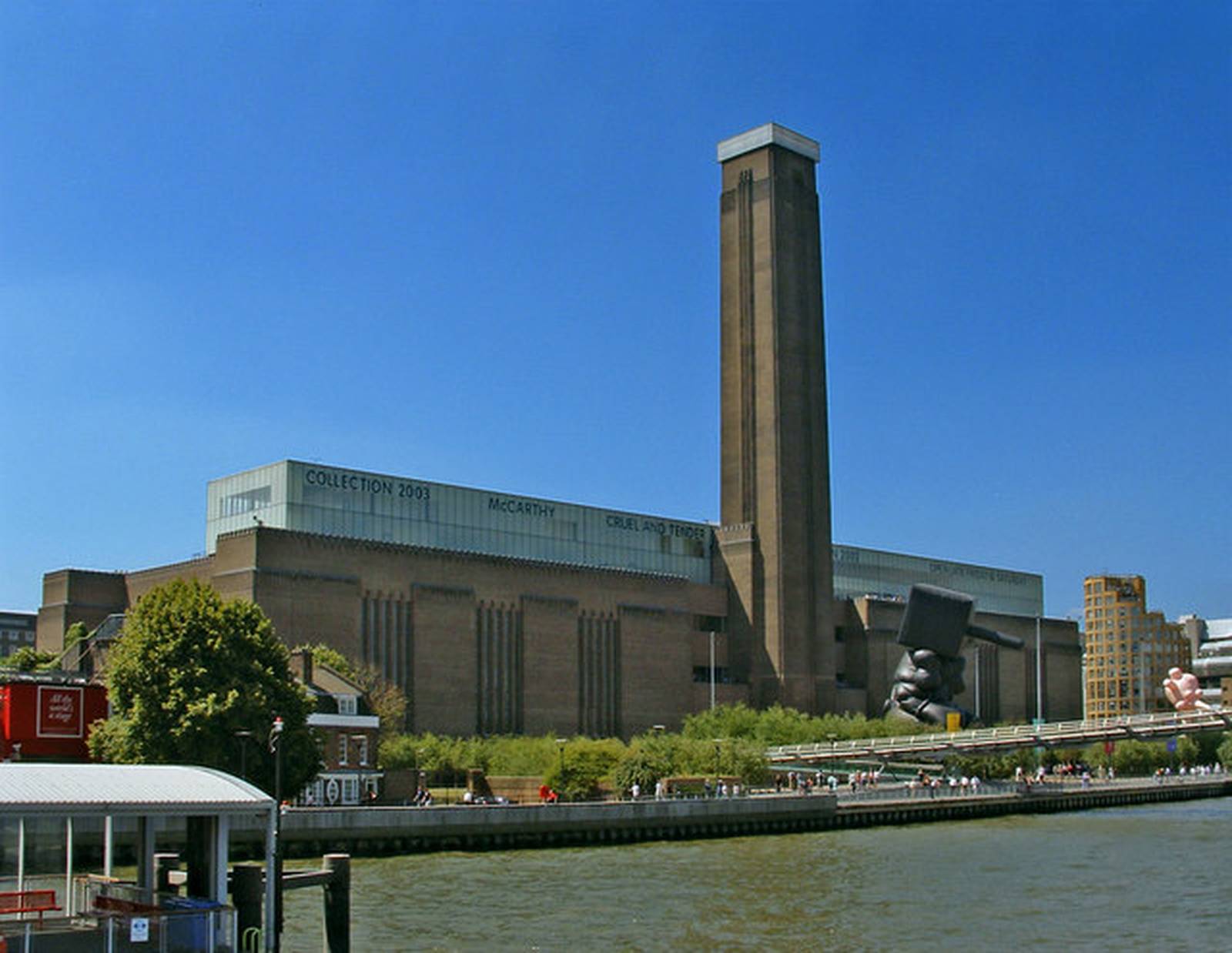
Discover approaches to curating and contemporary art through a series of talks and practical workshops. With discussion and object-analysis at the centre, you will consider, what it means to be a curator today.