
This course offers an introduction to Economics through the lens of micro, macro, behavioural economics, and political economy for beginners. It covers the key thinkers, policies, and institutions that shape our world.
Filter by:
Filters
Start month
Day of the week
Time of day
This course offers an introduction to Economics through the lens of micro, macro, behavioural economics, and political economy for beginners. It covers the key thinkers, policies, and institutions that shape our world.
Sir Edward Elgar (1857 - 1934) was an English composer, many of whose works are mainstays of the concert repertoire. We will explore all aspects of his music. No specialist musical knowledge is required for full participation.

This course will examine five Oxfordshire market towns, all of which were developed as new towns in the Middle Ages - Thame, Chipping Norton, Witney, Woodstock, and Burford. There will be alternating class sessions and field trips to the study towns.

Writing flash fiction brings benefits to writers of all stripes. In this hands-on workshop, we'll be writing each week, discussing our work, and developing new skills in brevity, language and form.

Join this course to enhance your conversational skills in a range of simple everyday situations.

Join us to take your conversational skills to the next level. Participants will practice communication skills in simple personal, recreational, and public contexts.

An exploration of happiness through classical and contemporary philosophy, examining flourishing, pleasure, emotions, morality, freedom, and the good life through philosophers including Aristotle, Kant, Mill, and contemporary philosophers.
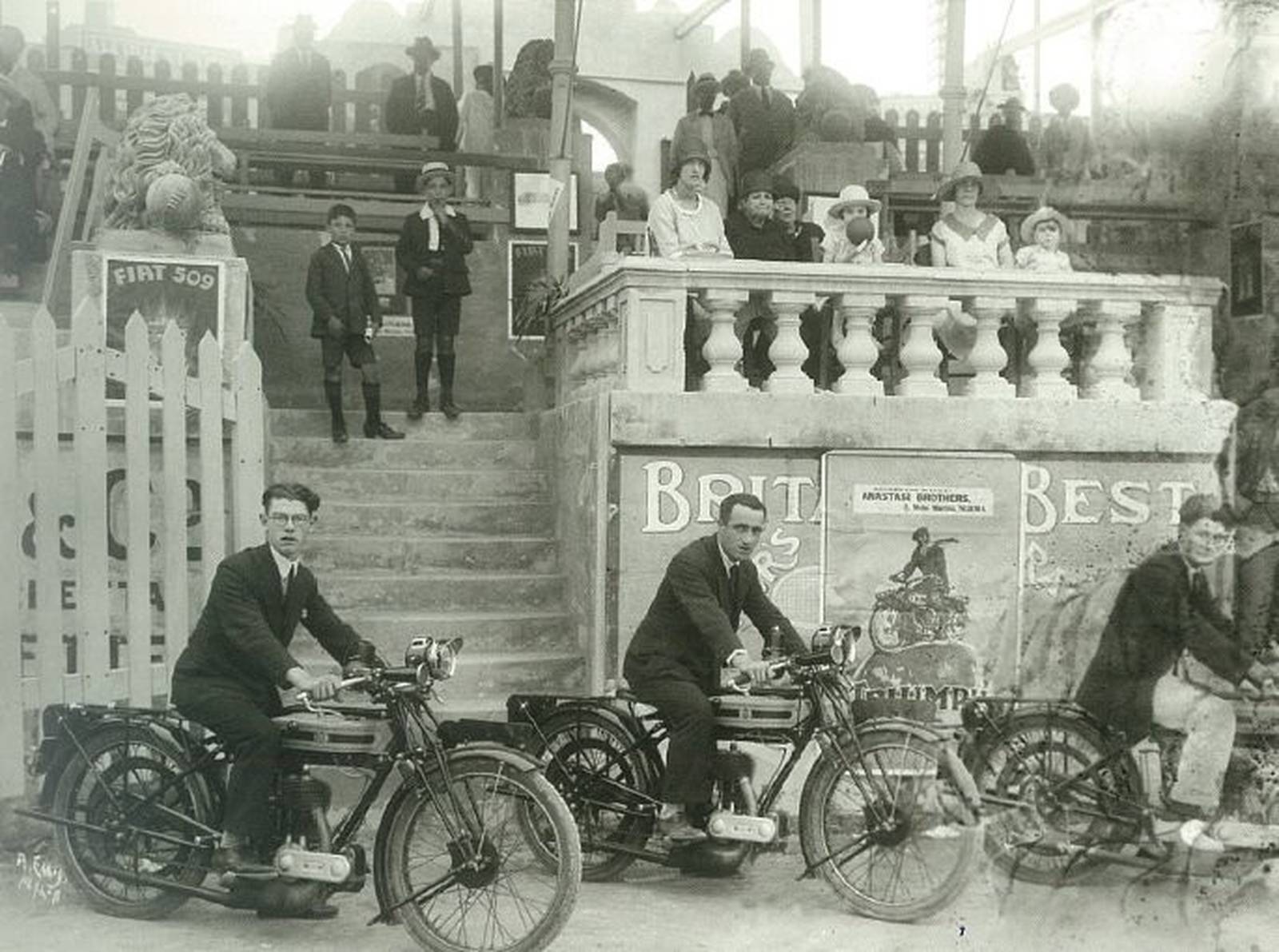
Britain in the Twenties and Thirties looked back to the lost world before 1914, but also forward to a future of progress in international relations, democratic freedoms, greater equality and personal fulfillment, in years haunted also by fears of war.

Join this course to develop and polish your elementary conversation skills for simple, everyday situations.
Enhance your Korean conversational skills in a range of simple everyday situations with our elementary-level conversation class, designed for learners with a basic foundation in the language.
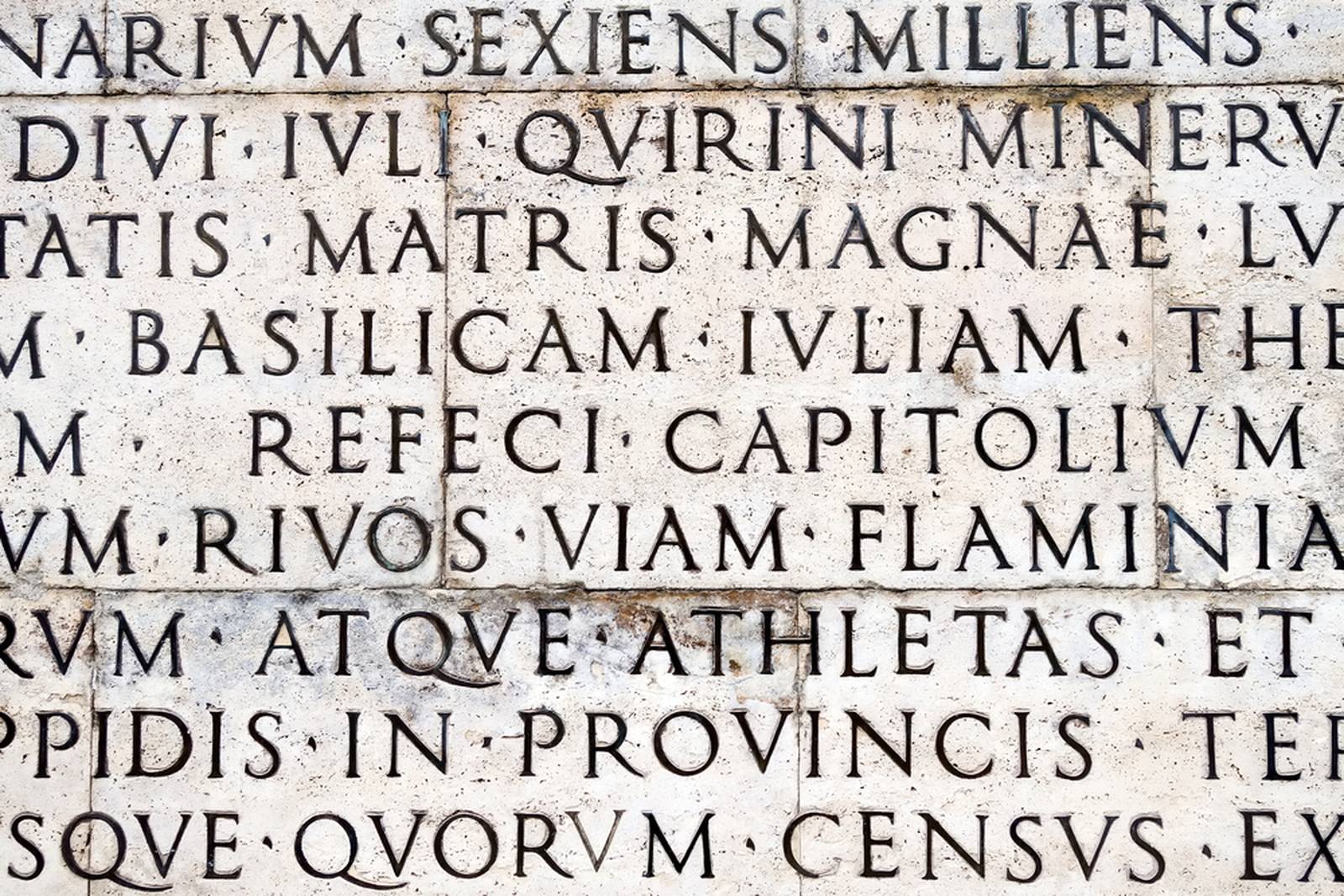
This course introduces you to the basic principles of Classical Latin. It provides a firm basis of grammar, sentence structure and vocabulary of the language, through which you will be able to read and translate into English Roman drama in adaptation.
This course will look in particular at the Great Fire in 1666, its rebuilding by Wren, and the Blitz between 1940 and 1944, resulting in the making of the Modern London. The course will be illustrated with paintings, engravings, maps and photographs.
