
Cyberattacks, sabotage, disinformation, and proxy forces are reshaping conflict below the threshold of war. This six-part lecture series explores the history, tools, and strategic logic of grey-zone warfare – and how democracies can deter and respond.
Course search results
Filter by:
Filters
Start month
Day of the week
Time of day
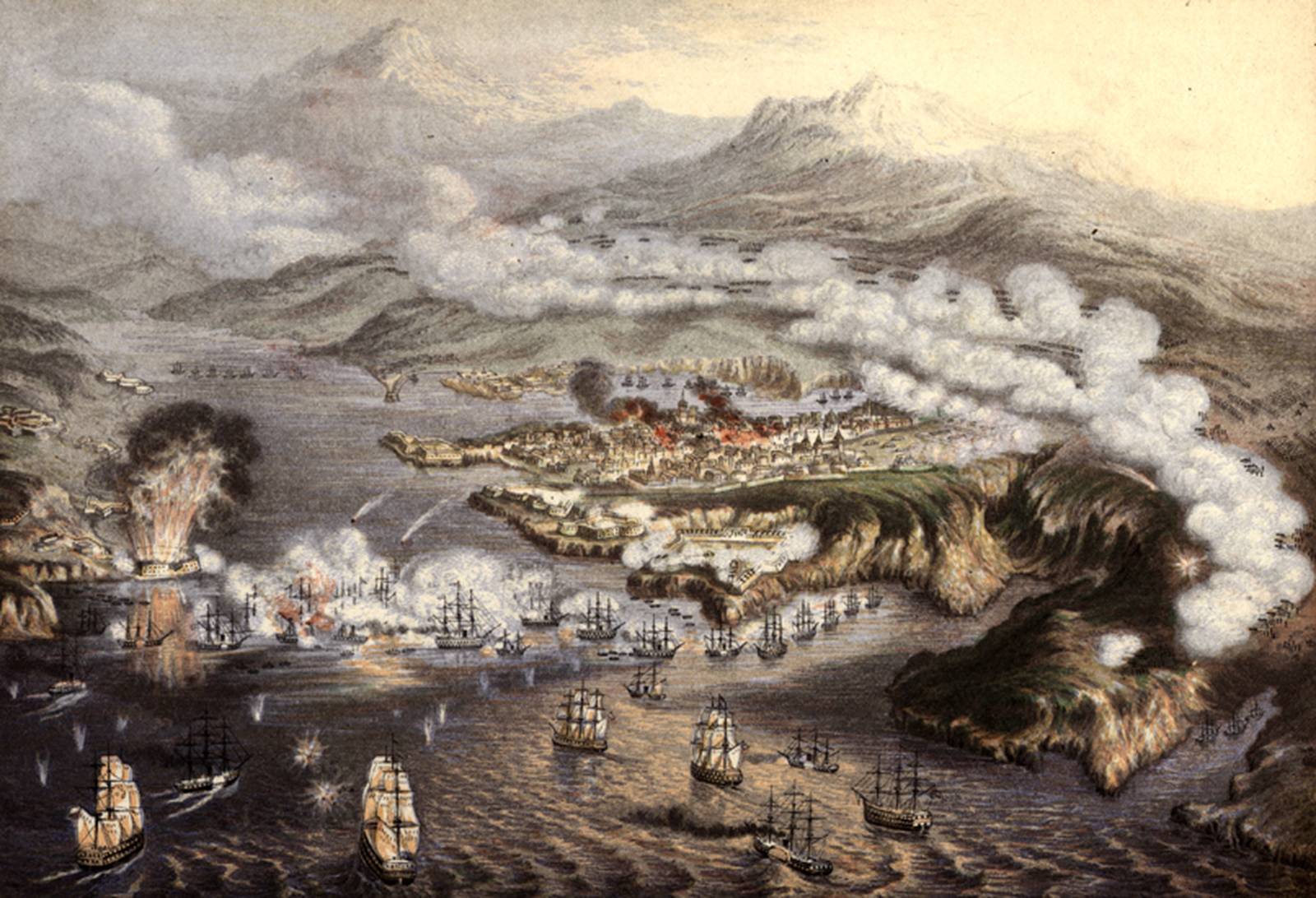
Crimea has always been too tempting a trophy to resist. It carries the scars of successive civilisations that have claimed, shaped, and reshaped it. To this day, it remains a prize fought over by competing peoples and ideologies.
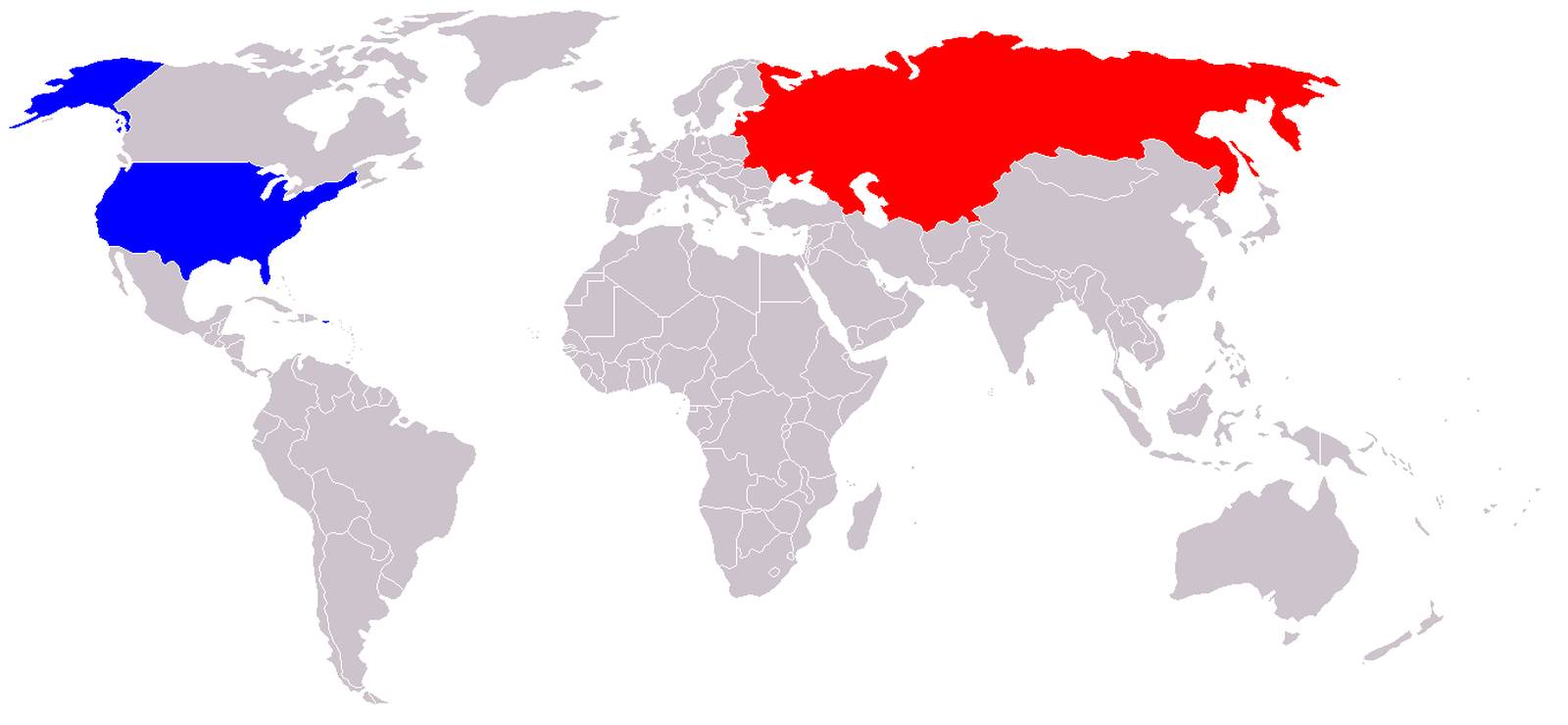
This lecture series will evaluate the most controversial decisions in international relations since the end of the Cold War. It focuses on the balance of decision making between diplomacy and military conflict.
Gain an understanding of the theoretical, practical and ethical practices an empirical researcher adopts when interviewing participants. Short course for postgraduate students.
Explore the origins of hacking, dissect the cyber kill-chain, and navigate the evolving threat landscape. From AI-powered cyberattacks to encryption battles in the Crypto Wars, this series unveils the complex world of digital adversaries and defenders.
From hunting dogs to Silk Road camels and urban cats, this lecture series explores how animals shaped human history, using archaeology and history to uncover the deep entanglements between people and domestic species.
An interdisciplinary introduction to climate litigation, examining landmark cases, legal reasoning, human rights, corporate accountability, and climate justice through collaborative and case-driven online learning.
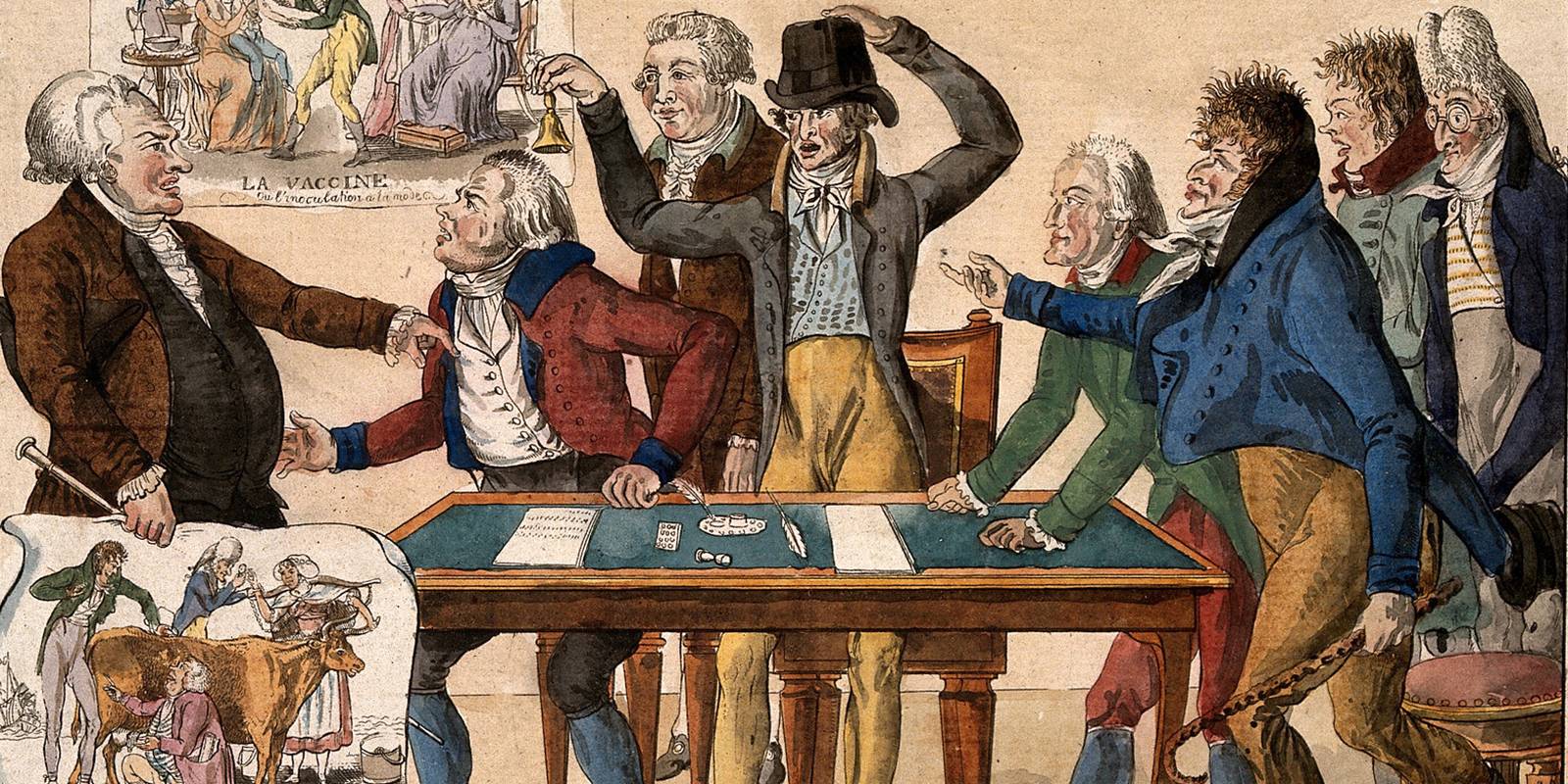
Using a variety of examples drawn from global history, this course explores controversies in the history of medicine and the way in which they have impacted on practitioners, patients and wider communities.
Work actively to understand key screenwriting concepts to build your awareness of the needs of your film idea. Develop this into a riveting outline, populate it with engaging characters, and draw your audience into your story world through genre.
This course continues to introduce the basic principles of Classical Latin. It provides a firm basis of grammar, sentence structure and vocabulary of the language, through which you will be able to read and translate Roman drama in adaptation.
Gain insight into the most important programming tools using the Python programming language, for obtaining data, bringing it into a usable form, exploring and modelling it, and for presenting discoveries to a wider audience.
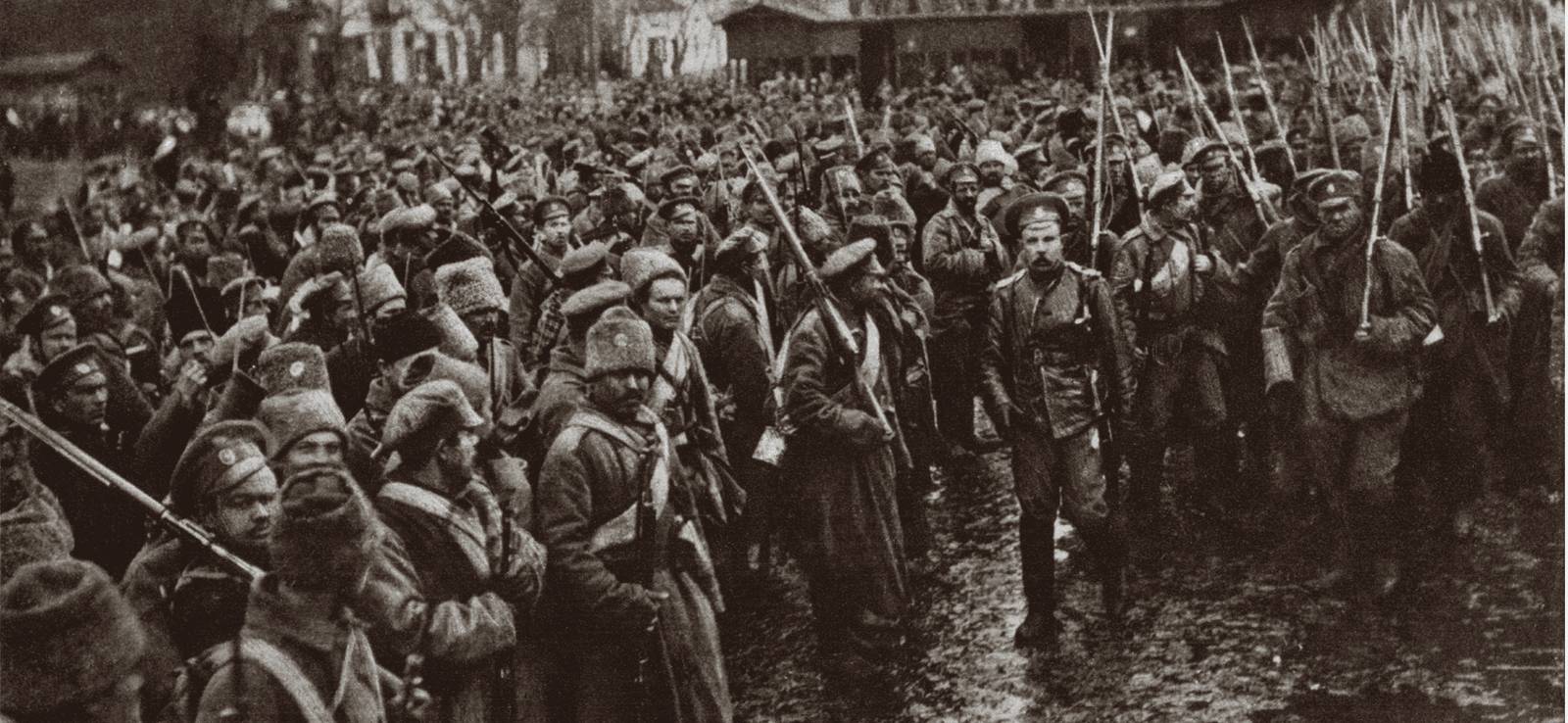
The Second World War’s origins lay in the economic and political instability which dominated the years after 1919. During this short online course, explore and analyse how such a terrible conflict could have started.