
Part-time over five weeks, this tutor-led training course can be taken from anywhere in the world. It will appeal to students and practitioners in conservation management wanting to improve their invertebrate survey skills.
Filter by:
Filters
Start month
Day of the week
Time of day
Part-time over five weeks, this tutor-led training course can be taken from anywhere in the world. It will appeal to students and practitioners in conservation management wanting to improve their invertebrate survey skills.

Deepen your understanding of Early Renaissance to High Renaissance art, the role of patronage, and how the Renaissance continues to influence modern creativity.
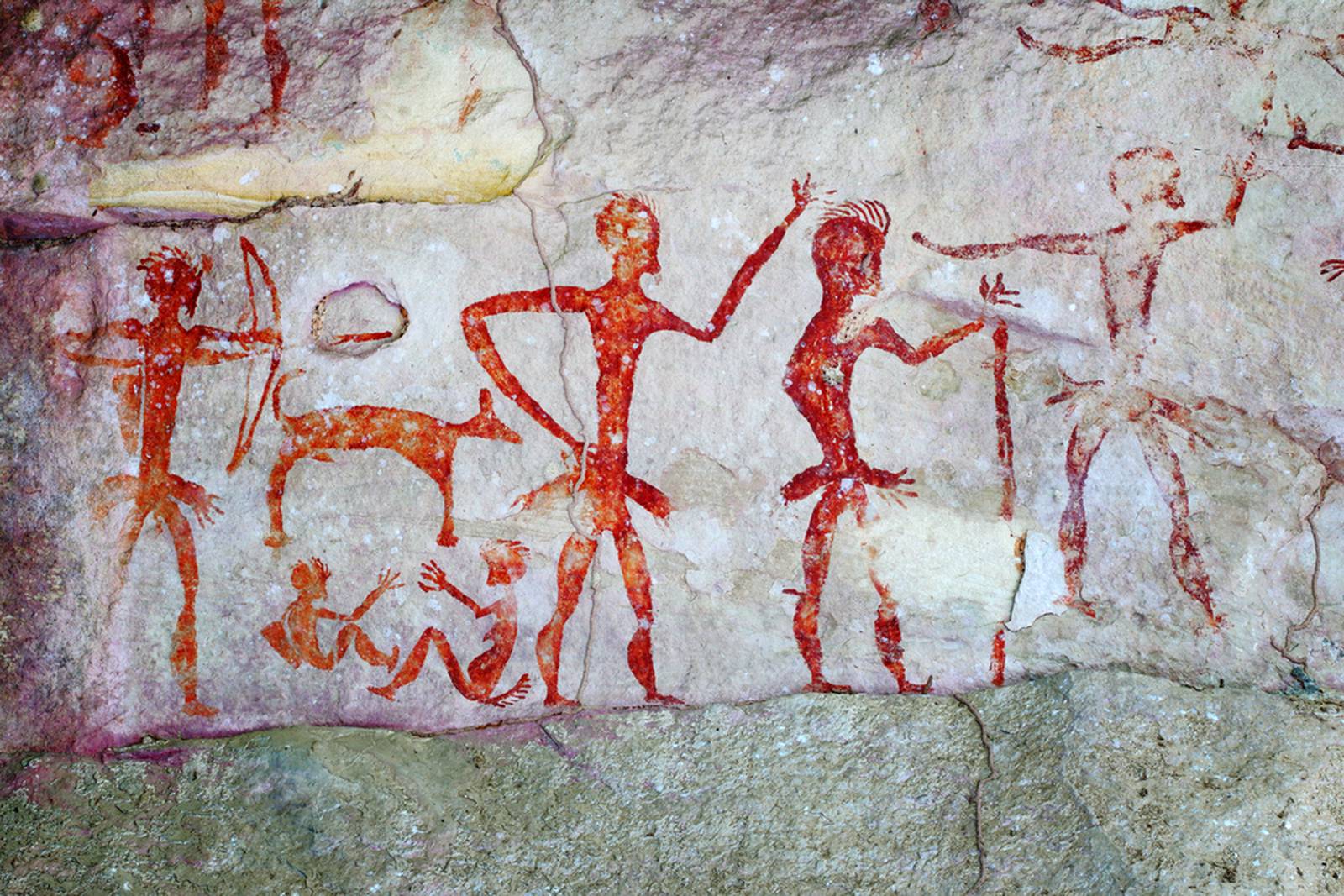
Social anthropology is the study of how humans give meaning to the world through different social norms, values, practices and means of organisation. This course provides an exciting and dynamic introduction to the world of social anthropology.

This guided viewing in the Ashmolean Museum will discuss key drawings by Leonardo and Raphael individually and comparatively. Focusing on style and techniques, we will also consider relationships with their paintings and writings.
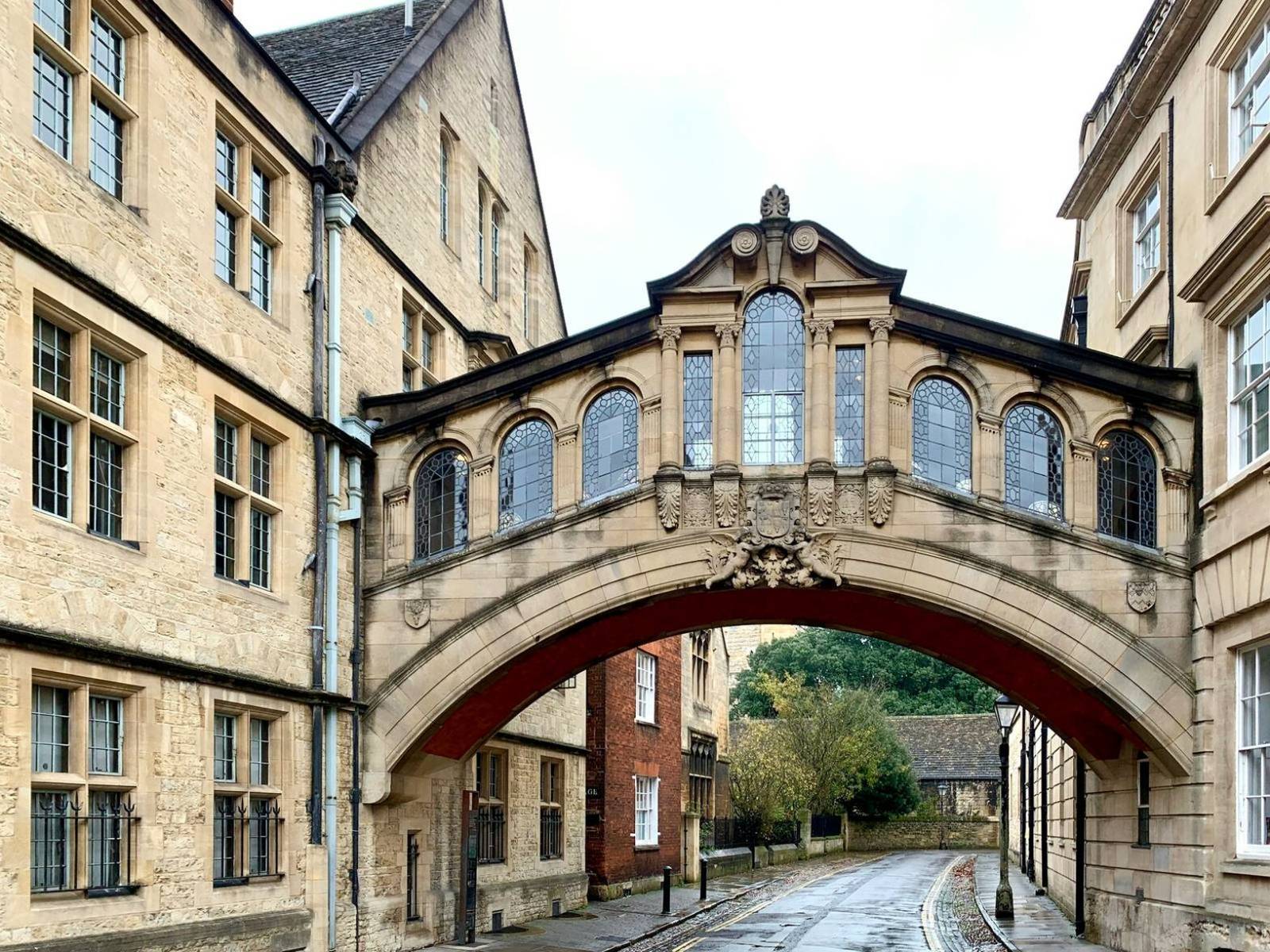
Oxford University may be a bastion of tradition, but how much do you know about the city’s radical past and present? Explore the fascinating stories of those who pushed back against power, privilege and inequality on this walking tour and lecture.

British Cinema has become famous around the world, from James Bond to Paddington. But what exactly makes a film British? This event will review a hundred years of British cinema through four themes: espionage, WWII, empire, and 'British fantasia'.

If you are new to higher education, or have not studied for some time, you may find it useful to brush up your reading, note-making and essay-writing skills, and to revisit the basic rules of punctuation and grammar.

From royal pyramids, court artisans and powerful pharaohs, to grandiose temples, mysterious gods and foreign invasions, participants will experience the world of ancient Egypt, its highs and lows, and the rich tapestry of its culture.

This course examines the rise and fall of the British Empire and its manifold legacies in Britain and beyond.

This ten-week online course will survey the range of techniques and methodologies used to determine the nature and composition of nanoparticles, thin films and nanostructures. It includes a hands-on visit to Begbroke Science Park over two days.

This course provides a detailed introduction to, and encompasses the fundamentals of macroeconomics. On completion of the course you will have the ability to critically assess real-world macroeconomic developments at first-year undergraduate level.

This course provides a detailed introduction to microeconomics. On completion of the course, students will have the ability to understand and apply the principles of microeconomics at first-year undergraduate level.