

Part-time over five weeks, this tutor-led training course can be taken from anywhere in the world. It will appeal to students and practitioners in conservation management wanting to improve their invertebrate survey skills.
Filter by:
Filters
Start month
Day of the week
Time of day
Part-time over five weeks, this tutor-led training course can be taken from anywhere in the world. It will appeal to students and practitioners in conservation management wanting to improve their invertebrate survey skills.

This ten-week online course will survey the range of techniques and methodologies used to determine the nature and composition of nanoparticles, thin films and nanostructures. It includes a hands-on visit to Begbroke Science Park over two days.

How old is the universe? How unusual is the Solar System? How will it all end? Oxford astronomers Chris Lintott and Robert Simpson provide an overview of the last 13.7 billion years of cosmic evolution, answering these questions and more.
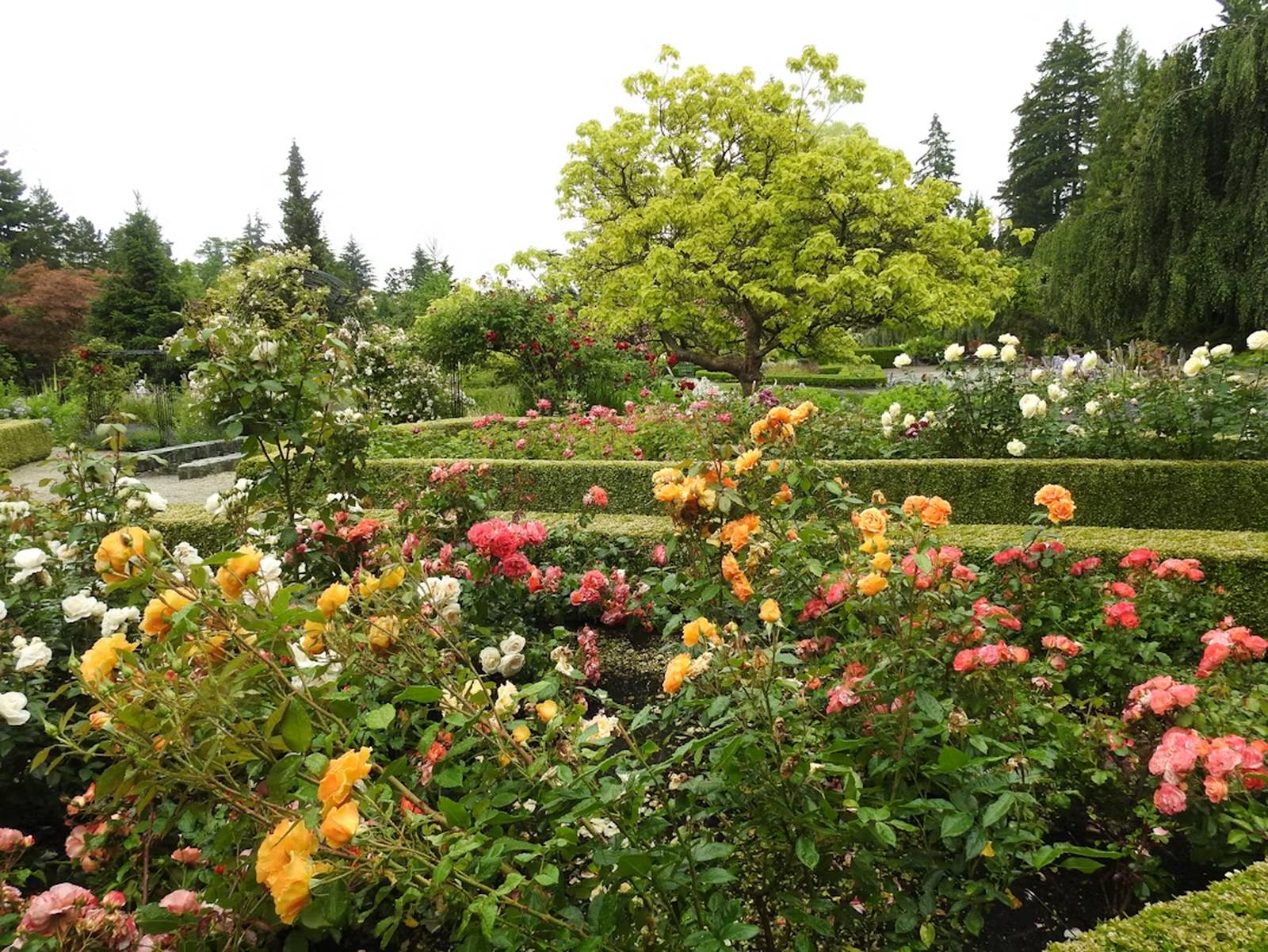
Plants all over the world tell their own unique stories of survival. Join us on this walking tour of Oxford Botanic Gardens, which houses plants from different geographies, to reveal secrets of how plants adapt to live.

Investigate the power of maps and spatial data to document and illustrate local and global issues. Learn how to use Geographic Information Systems (GIS) to explore the world around you and share ideas.

Develop a practical understanding of geological landscapes in Oxfordshire and adjacent counties. See the rock outcrops and learn techniques for geological fieldwork by visiting geological localities within driving distance of Oxford.

Develop your knowledge of human and veterinary vaccinology as we explore all aspects of vaccinology, from Edward Jenner to modern-day vaccines, with state-of-the-art teaching from leading experts.

Cancer is a devastating disease where what used to be a normal cell yesterday transforms into a tumour cell today. Understanding the disease biology is the first learning step towards discovering new treatments. This course introduces cancer biology.
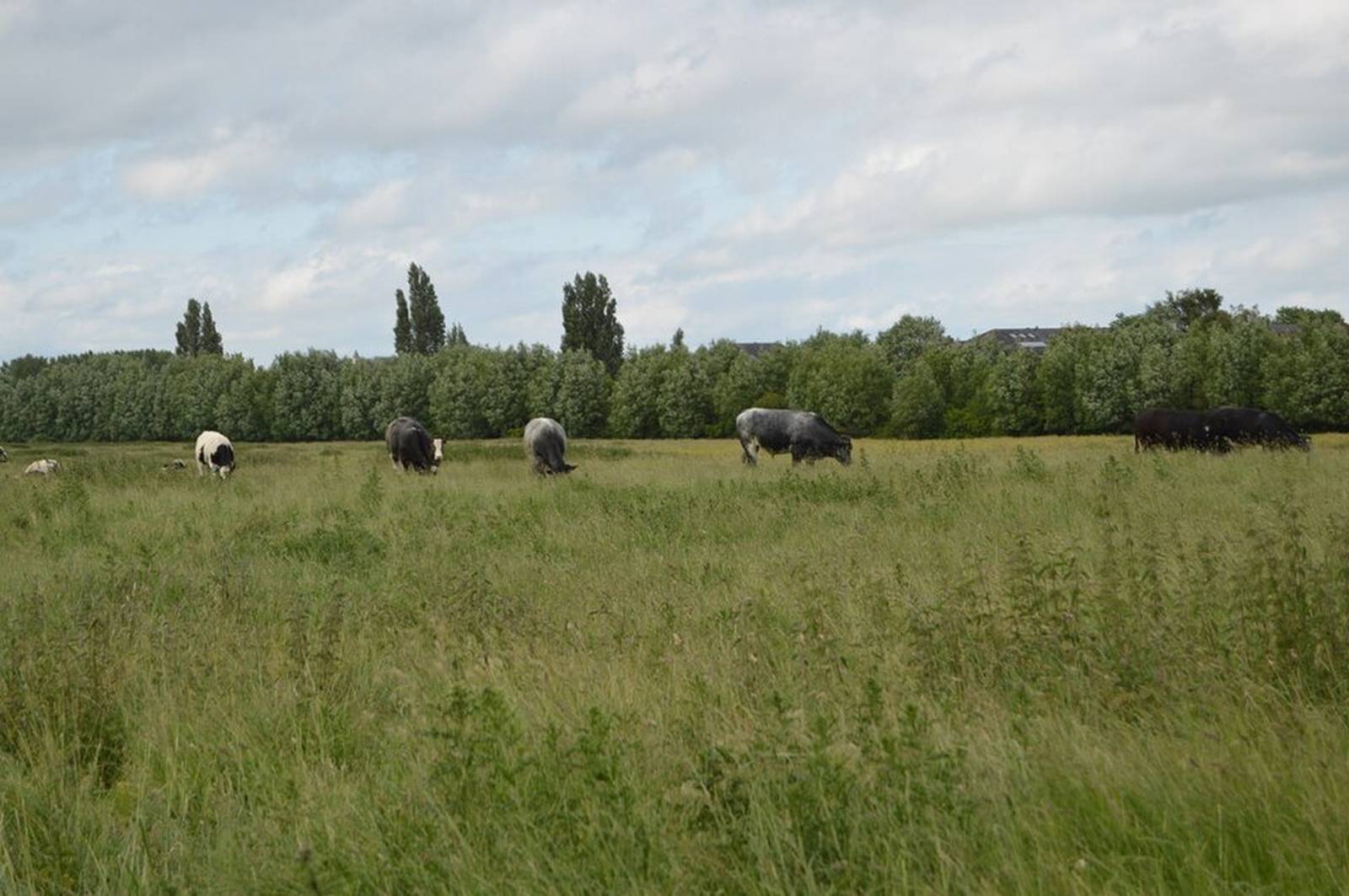
Explore the rich natural history of Port Meadow through five guided field sessions. Discover wildflowers, insects and other wetland species while learning how flooding and grazing shape this unique Oxford landscape.
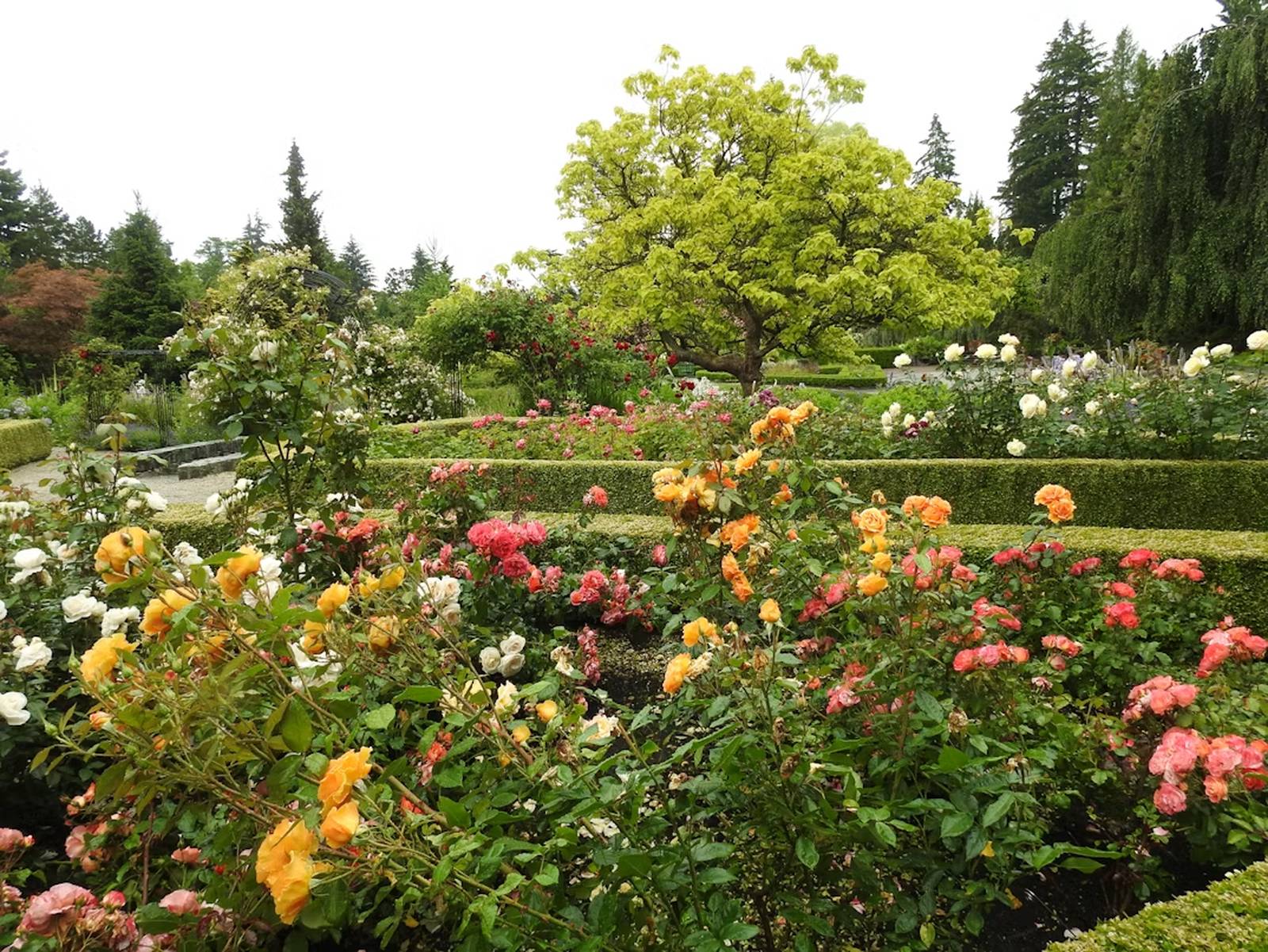
Plants all over the world tell their own unique stories of survival. Join us on this walking tour of Oxford Botanic Gardens, which houses plants from different geographies, to reveal secrets of how plants adapt to live.

This five-day course provides an overview of the regulatory, financial, clinical and commercial challenges faced by those wishing to bring innovative nanotechnologies to market.
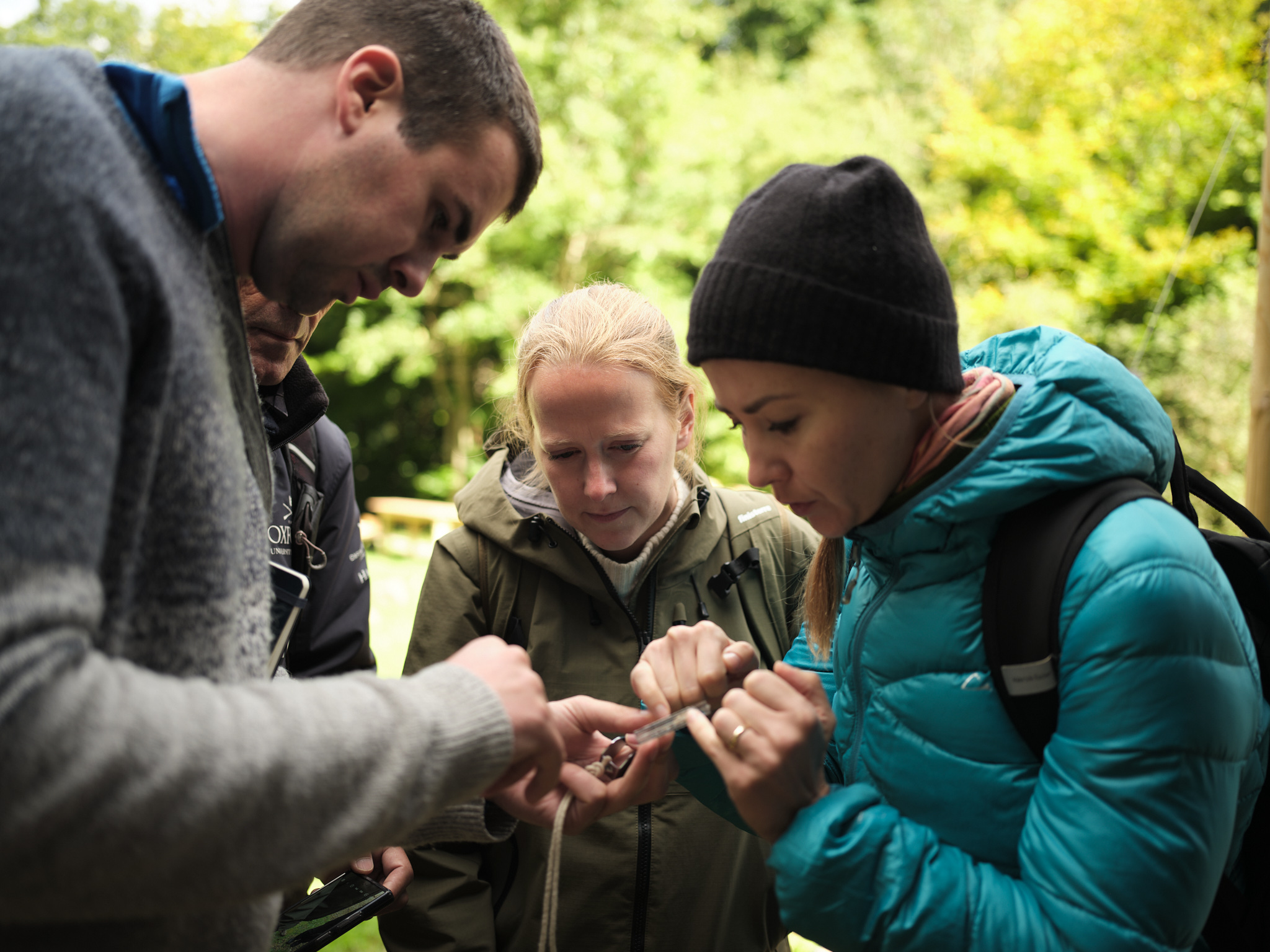
Secure the future of our natural world tomorrow by surveying wildlife today. The part-time Postgraduate Certificate in Ecological Survey Techniques is a dynamic blend of online modules and hands-on learning tailored for an international audience of professionals and volunteers engaged in monitoring and assessing wildlife and habitats. Learn to make informed, evidence-based decisions and assess… Continue reading Postgraduate Certificate in Ecological Survey Techniques