

This course aims to give students an introduction and overview of that architectural tradition enabling students to 'read' the architecture of the contemporary built environment in a critically informed way.
Filter by:
Filters
Start month
Day of the week
Time of day
This course aims to give students an introduction and overview of that architectural tradition enabling students to 'read' the architecture of the contemporary built environment in a critically informed way.
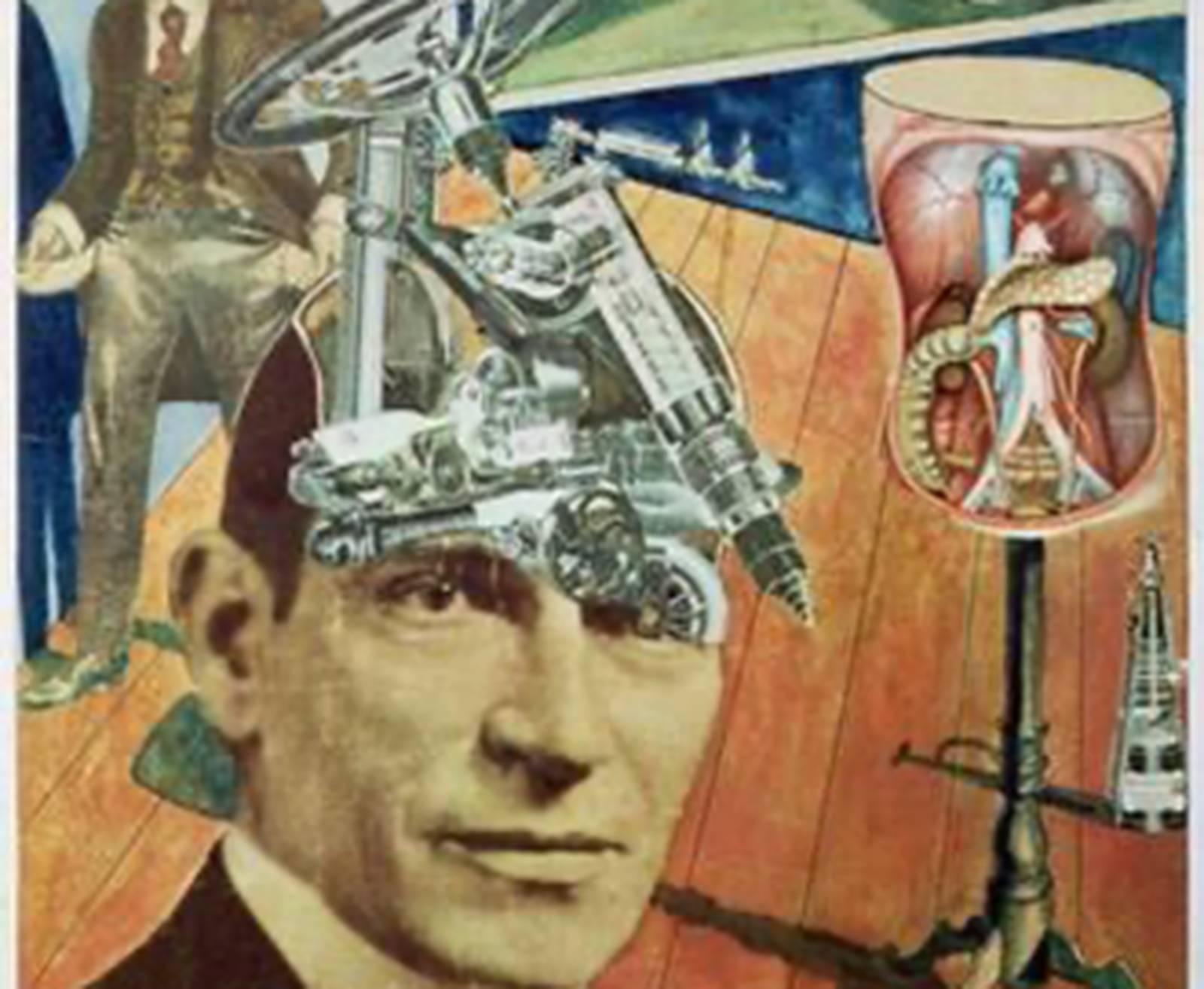
This lecture will concentrate upon the lasting legacies of the 1920s, in cultural terms.
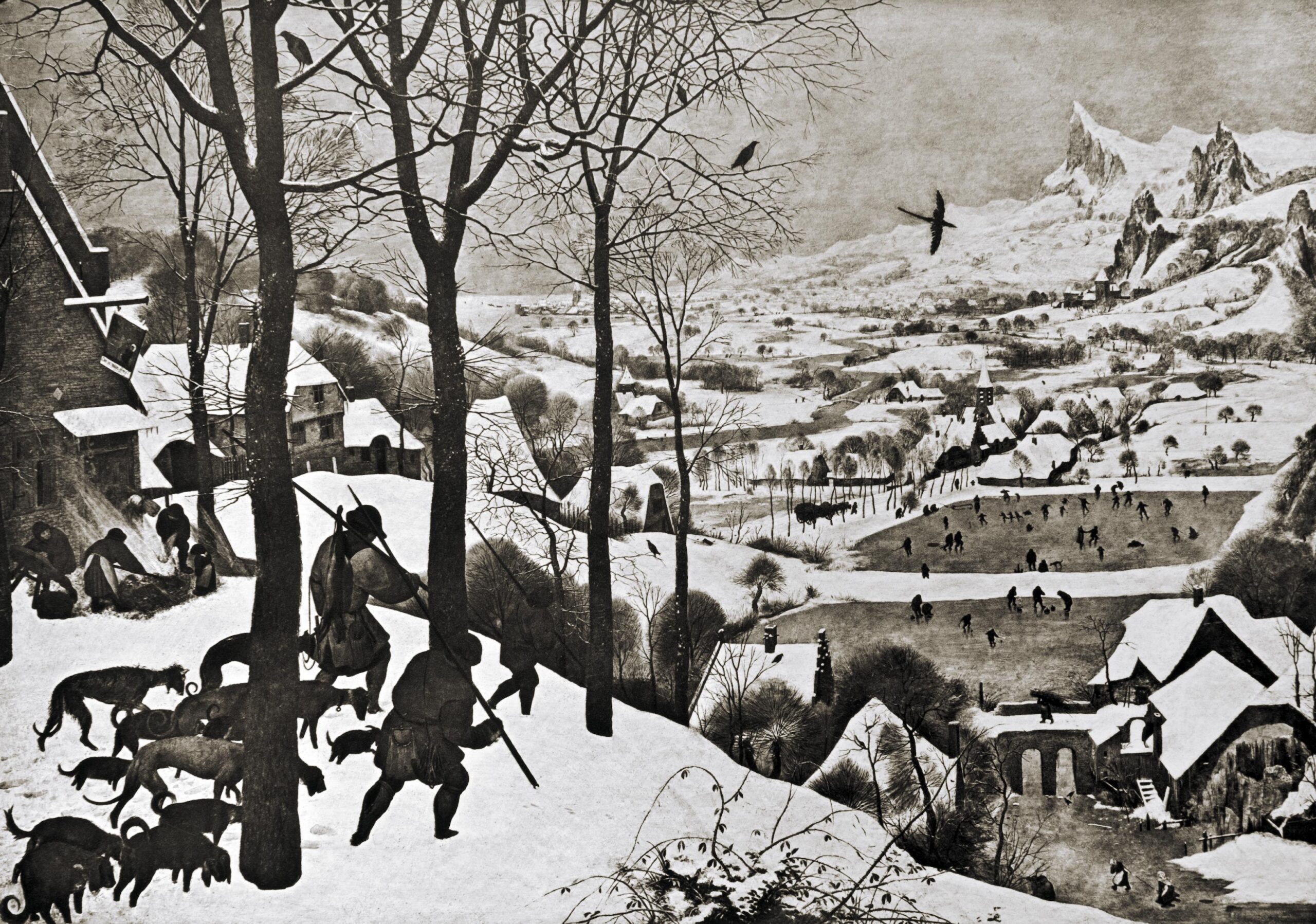
This course explores the riches of northern European art from c.1480 - 1580; artists including Dürer, Bosch, Holbein and Bruegel will be studied.

This introductory course will explore the main stylistic and iconographic themes in Islamic art and highlight the diversity of its expressions.
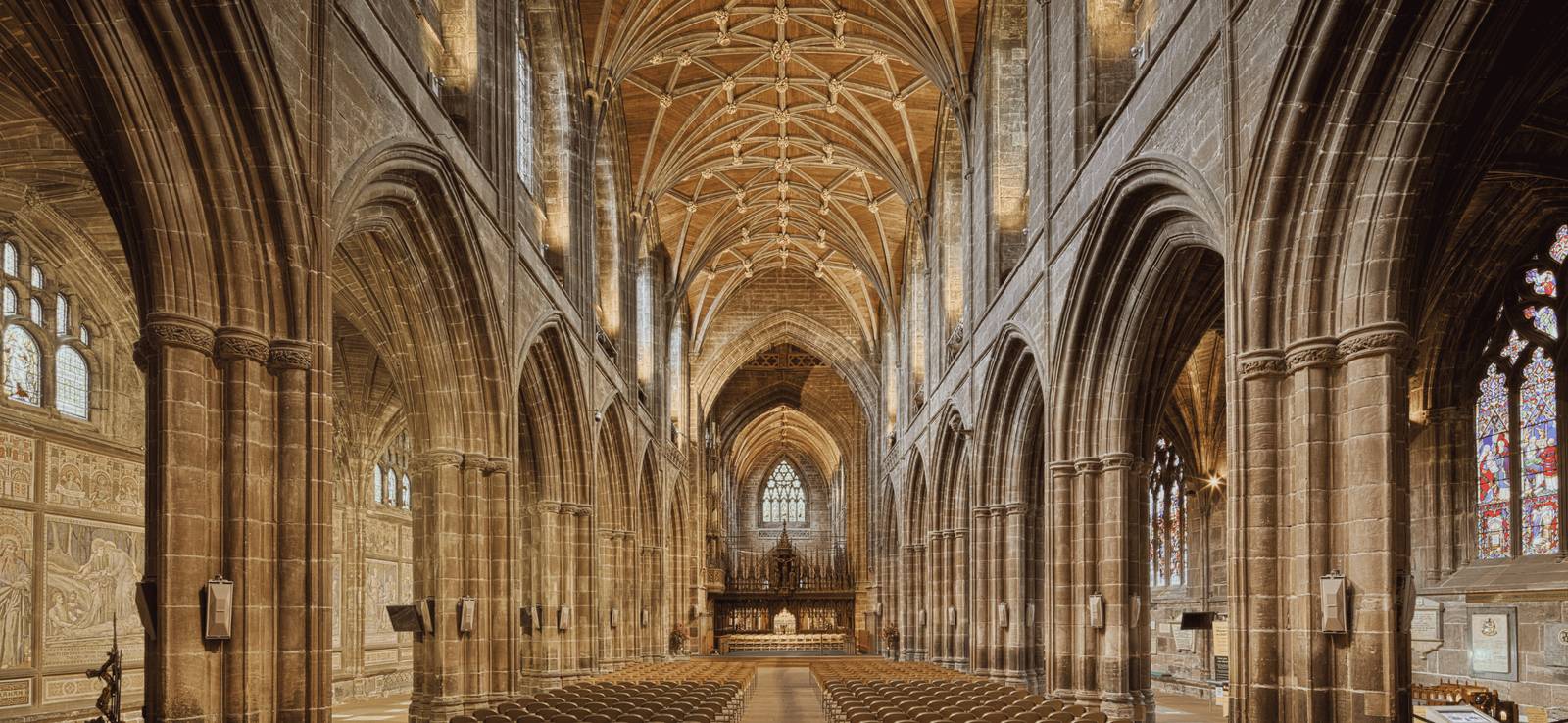
This course will explore the English medieval cathedral as a developing institution which survived over a thousand years of religious upheaval and historical change, focusing on the multifaceted architecture of a range of truly great churches.
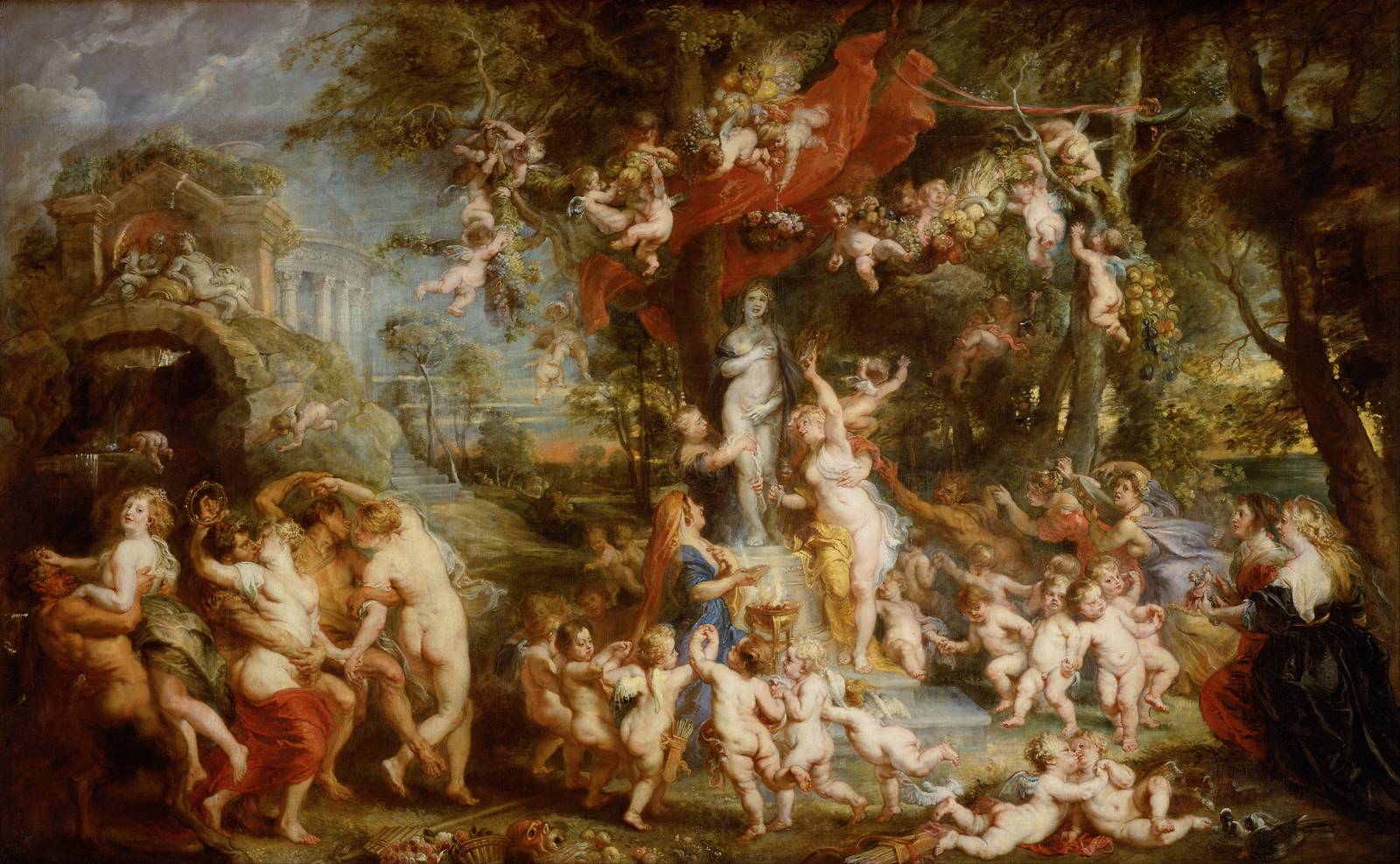
How did one artist help shape a global artistic language? Discover how Rubens’ dynamic style travelled across Europe and beyond, linking courts, empires, and cultures.
During this flexible online course, learn how to study and analyse paintings, drawings and prints, and learn the 'language of looking'.
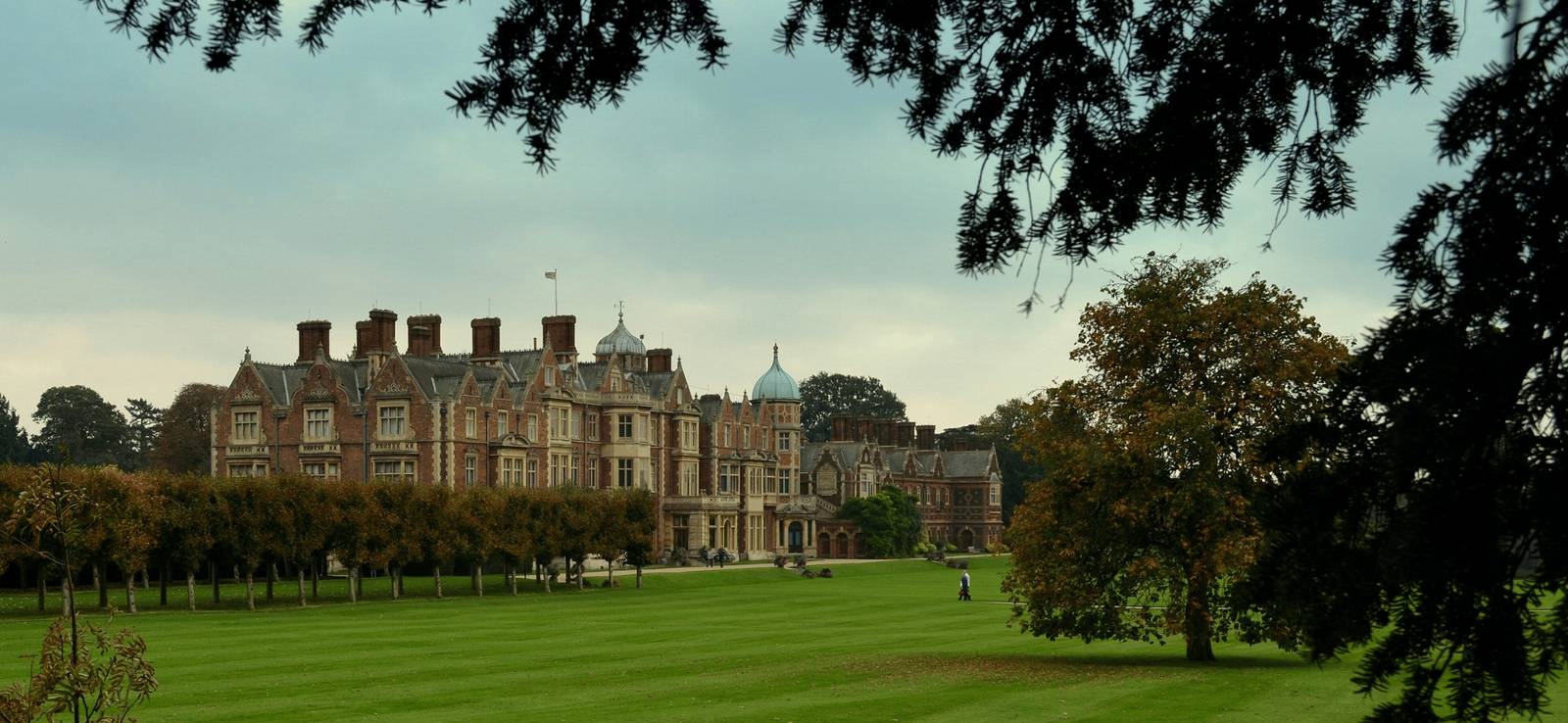
Explore the culture of the English country house from its architectural form, social manners and distinctions to the furnishings and artistic manifestations of taste, as an expression of power and influence in a changing society.
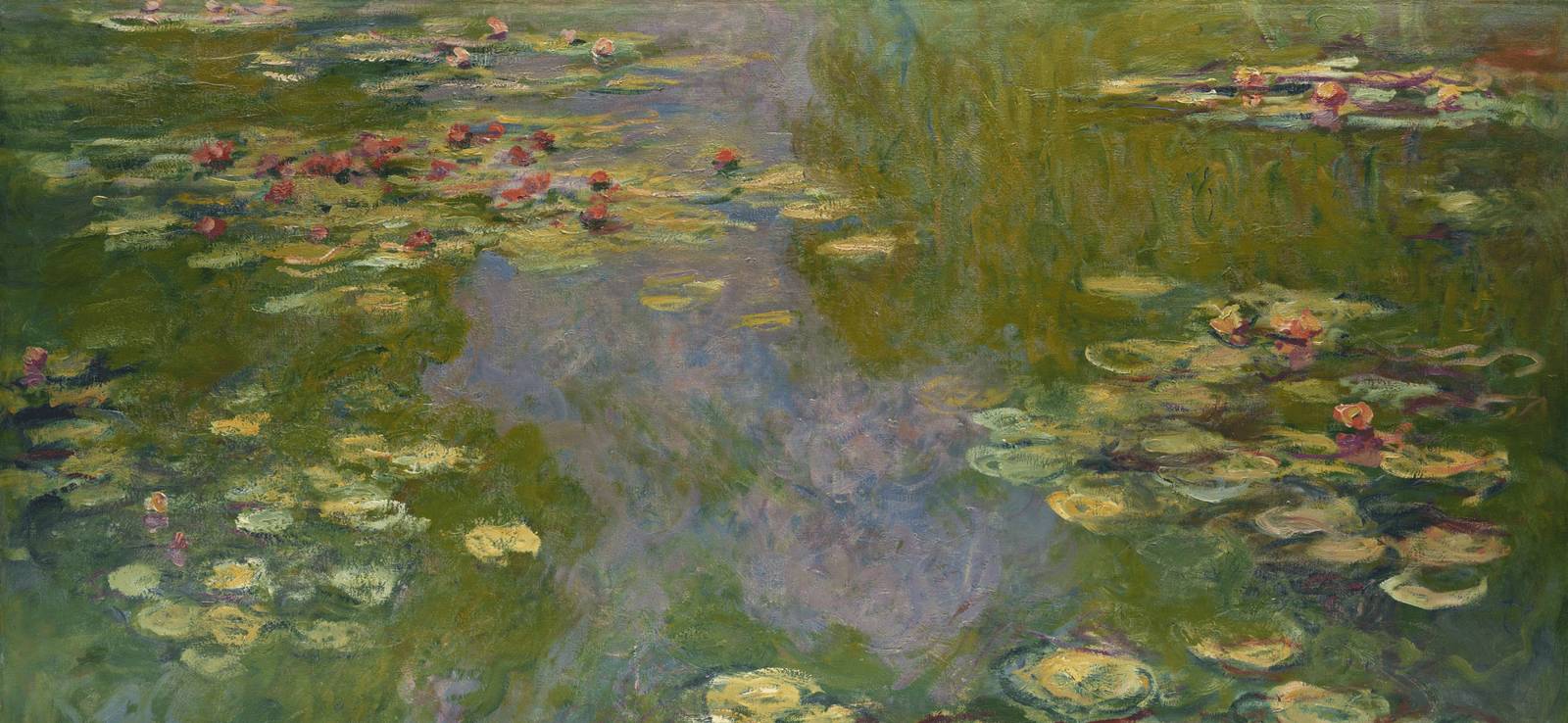
Explore Impressionism and modern life in nineteenth-century France through the work of Monet, Manet, Degas and their contemporaries. This course examines Impressionist techniques, women Impressionists, critical responses to the exhibitions, and the moveme
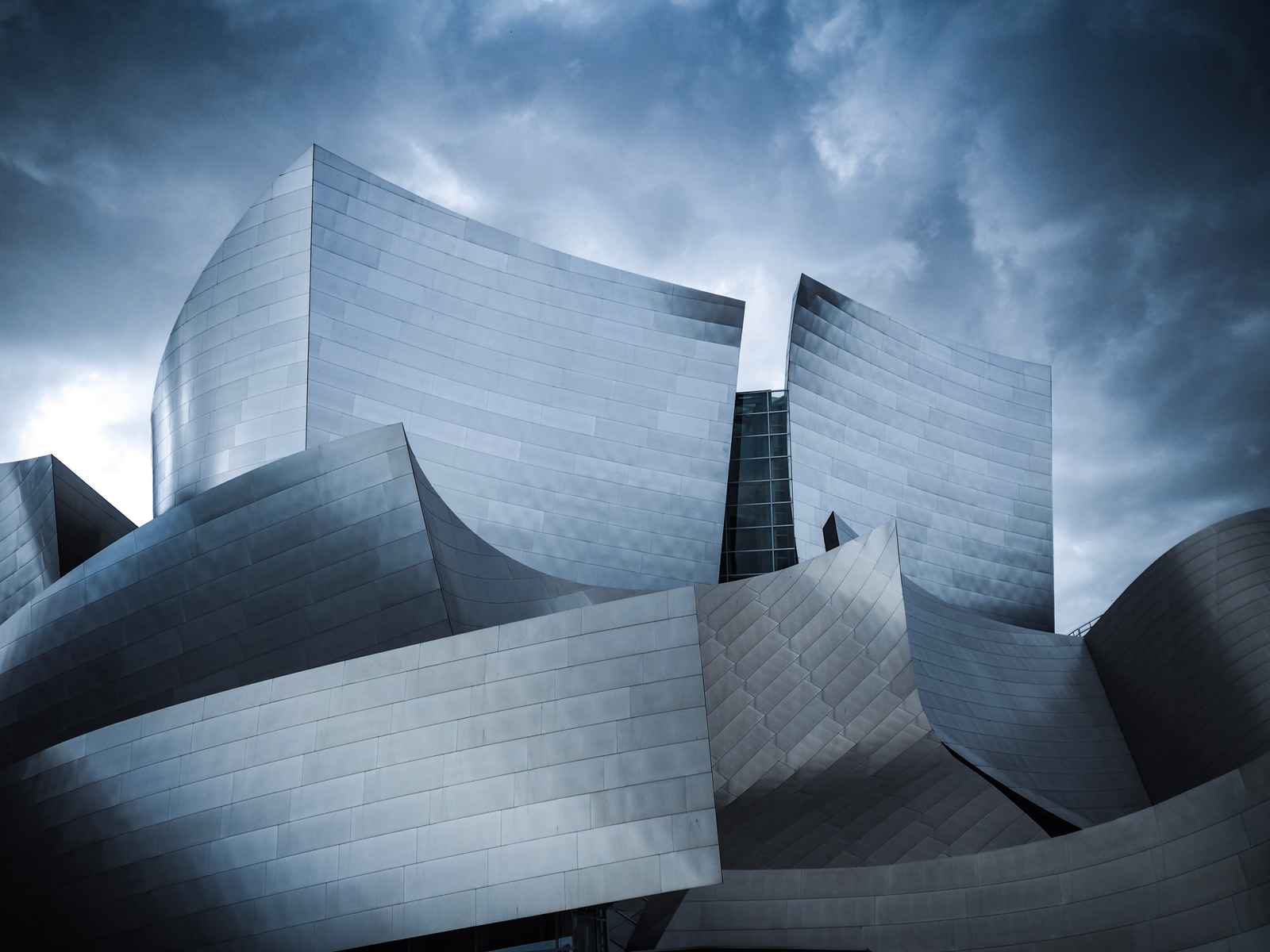
Beginning with the vital structural innovations of the late Victorian era, this online course traces the rise and spread of modernism in European and American architecture, and concludes by examining contemporary architecture and future possibilities.
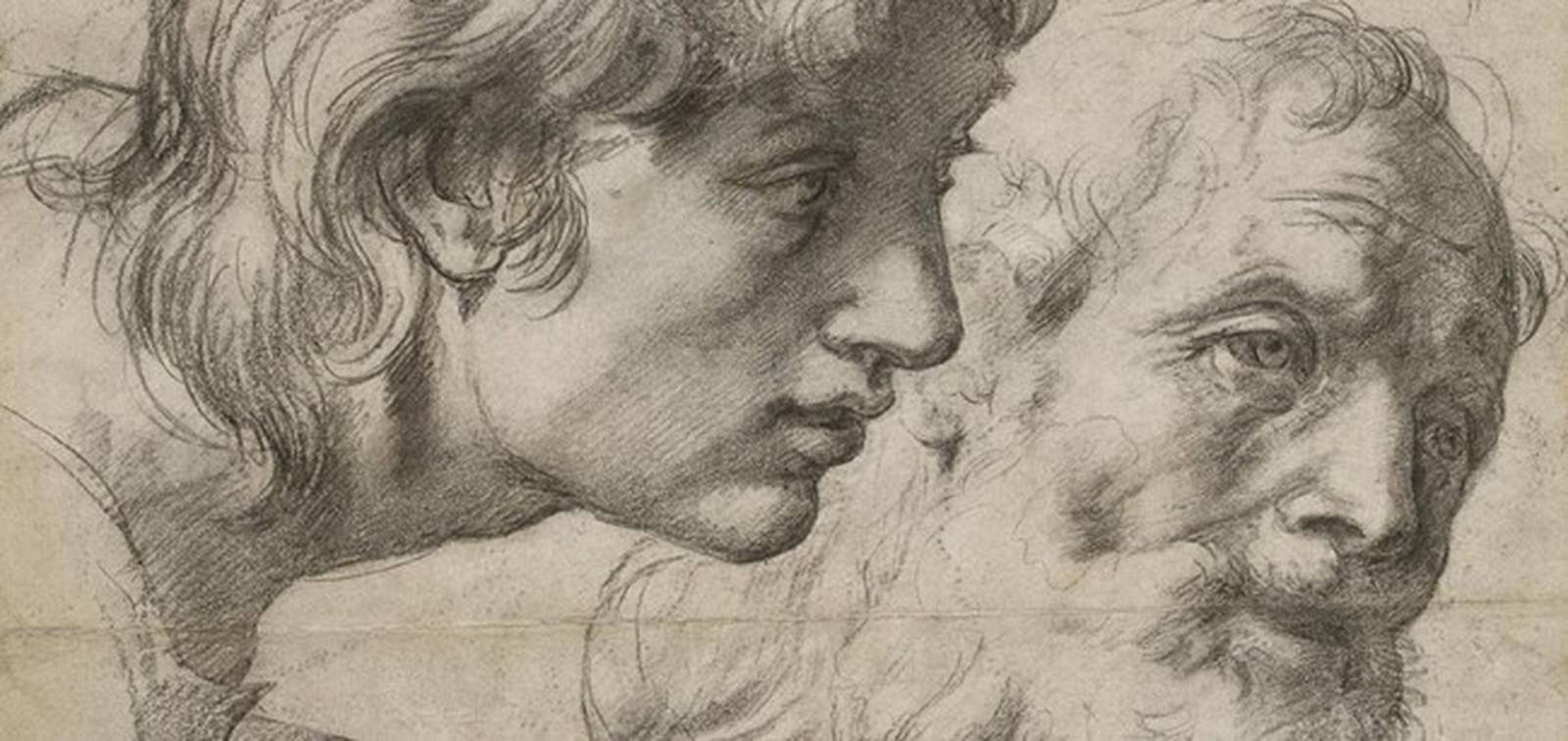
This guided viewing in the Ashmolean Museum will centre on twelve of Raphael’s drawings, from which we will also consider relationships with his paintings. It will cover the main periods of his career, techniques and working methods.
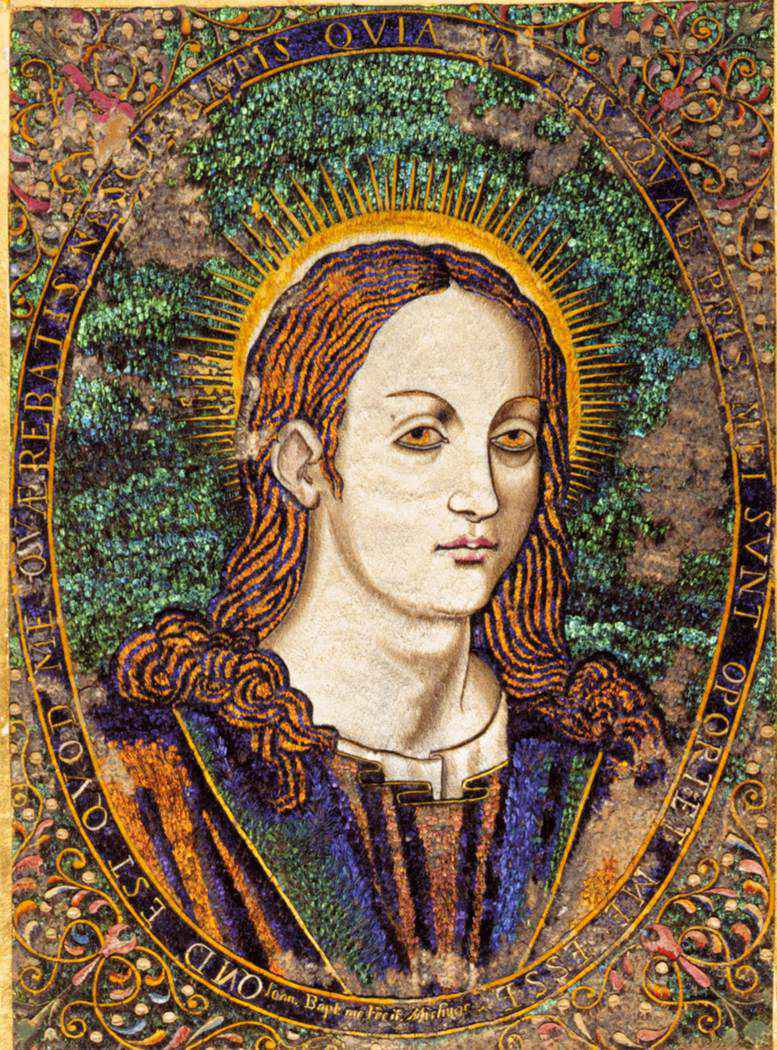
Rediscover Renaissance art through a sensory history