
Explore strategic foresight, futures thinking and scenario planning. Build tools to plan confidently in uncertainty, enhance resilience, and shape a more innovative, future-ready organisation.
Filter by:
Filters
Start month
Day of the week
Time of day
Explore strategic foresight, futures thinking and scenario planning. Build tools to plan confidently in uncertainty, enhance resilience, and shape a more innovative, future-ready organisation.

The psychology of behaviour change in relation to patients and health care professionals.
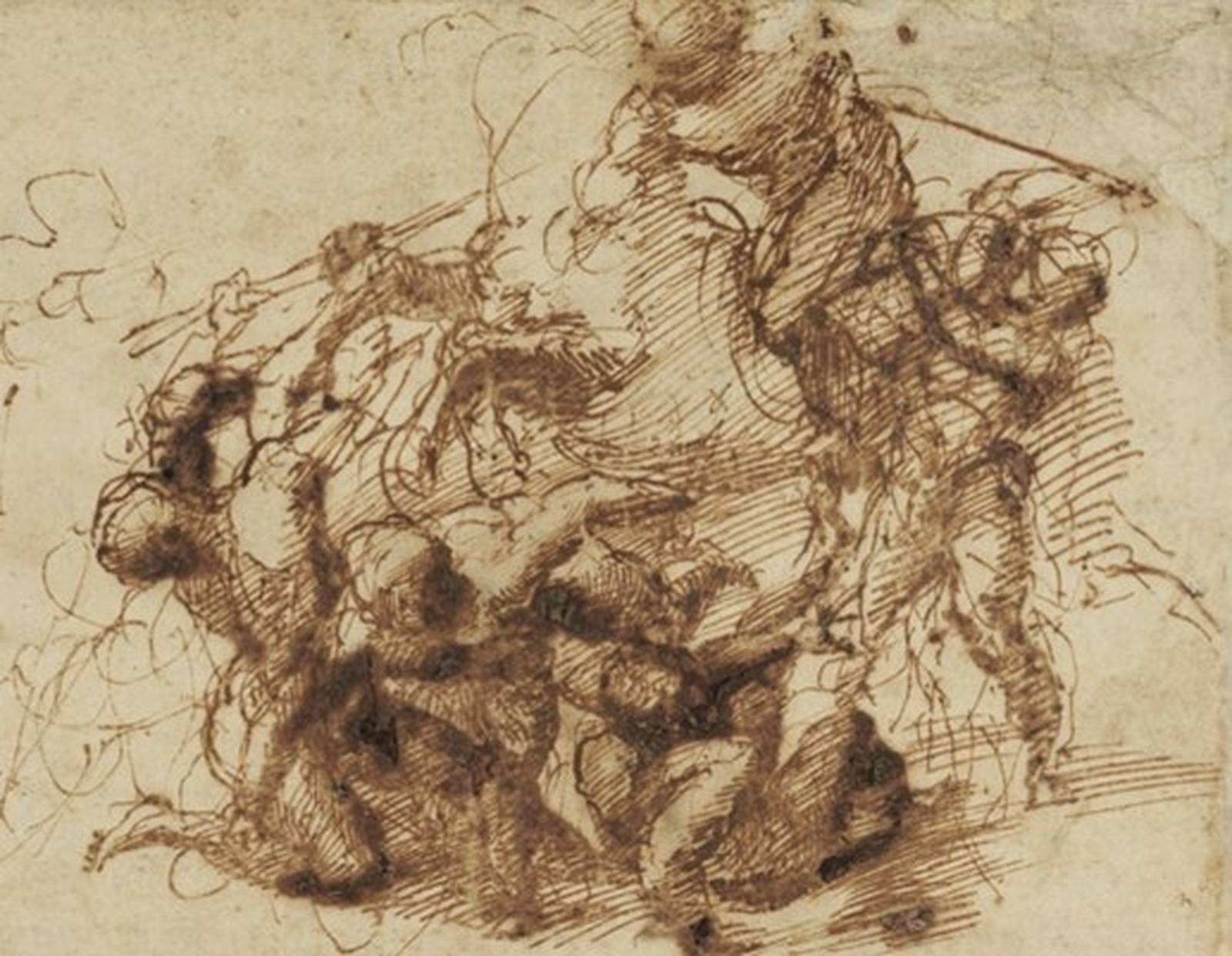
This guided viewing in the Ashmolean Museum will discuss key drawings by Leonardo and Michelangelo individually and comparatively. Focusing on style and techniques, we will also consider relationships with their paintings, sculptures and writings.

How did artists respond when protest, war, empire, and industrialisation transformed France? This course explores how painters from Boucher to Manet reimagined art in relation to modern life.

Innovation in relation to health care organisations and policymaking.
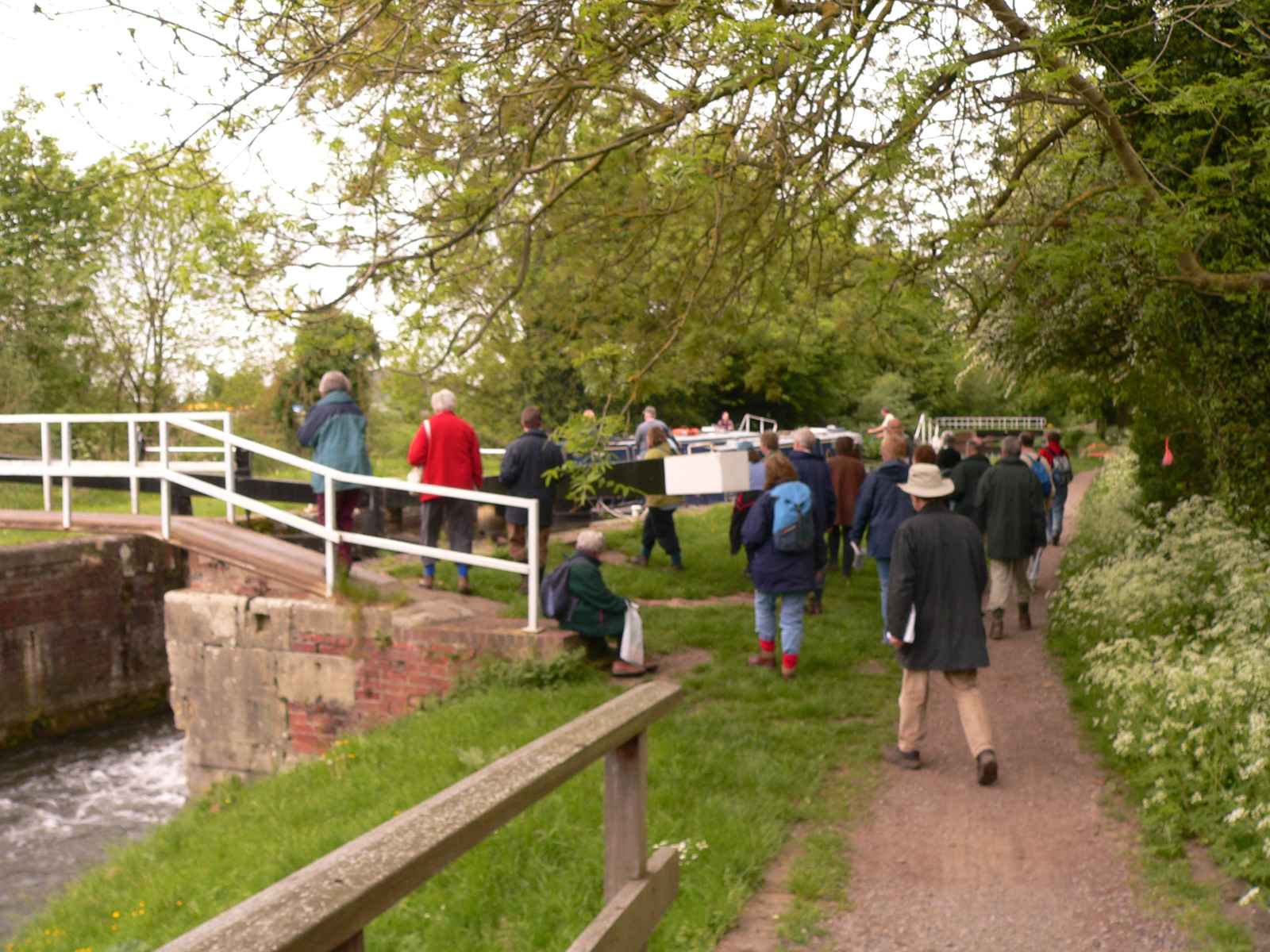
There are archaeological sites all around us: hillforts and stone circles, Roman towns, ancient fields and roads. During this course, we will venture out and look at the archaeological landscape.

Exploring the potential of technological innovations in health care.
A part-time Oxford University Master’s course consisting of six taught modules and a dissertation, part of the Oxford Evidence-Based Health Care (EBHC) Programme
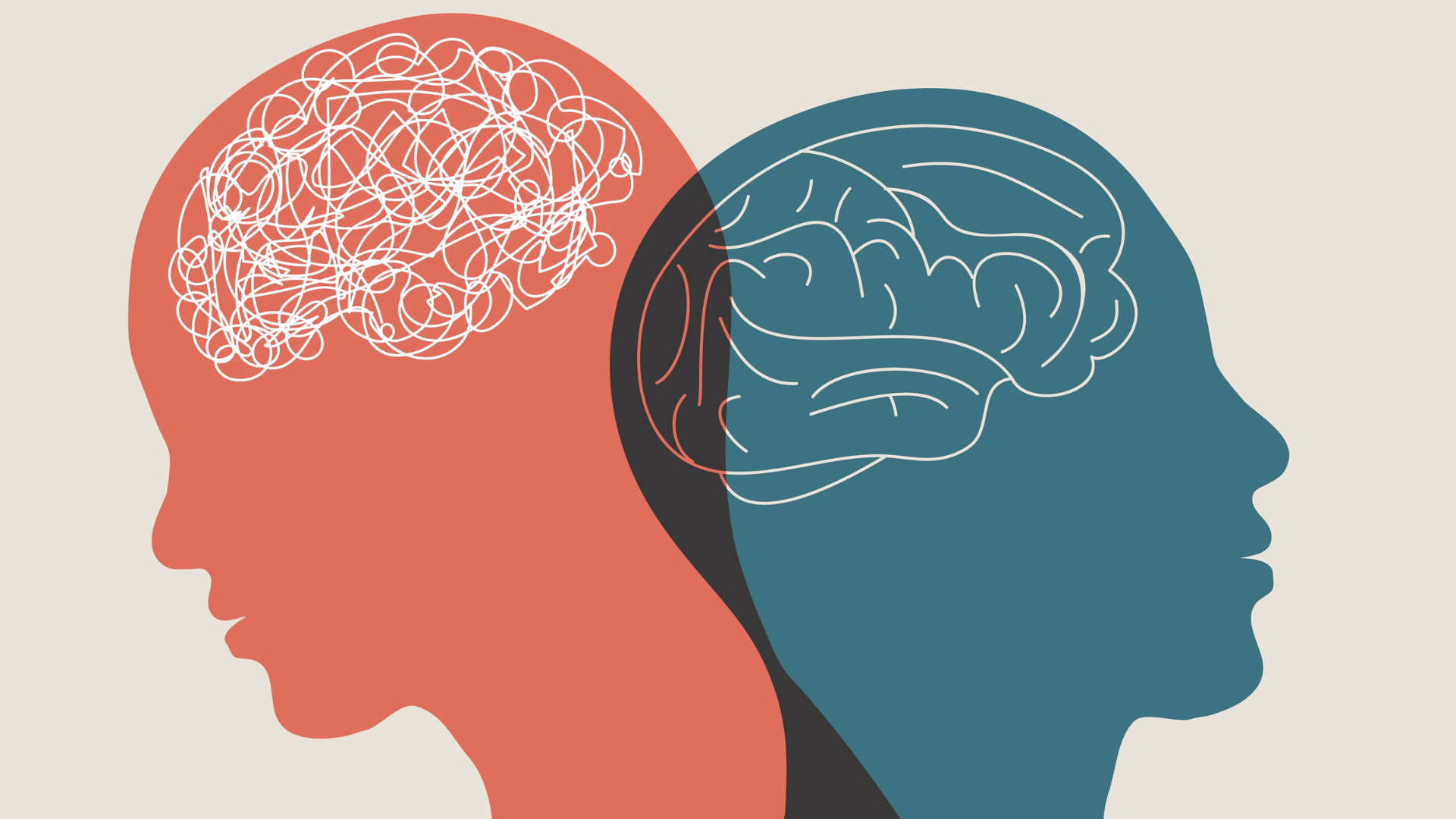
Advance your psychodynamic training at Oxford with this part-time Diploma. Build clinical skills through supervised placements, personal therapy and academic study, developing professional competence in counselling practice.

Develop advanced research skills with the Undergraduate Advanced Diploma in Archaeology. Complete a 10,000-word dissertation, study flexibly online, and attend an immersive Oxford study school with fieldtrips and practical learning.
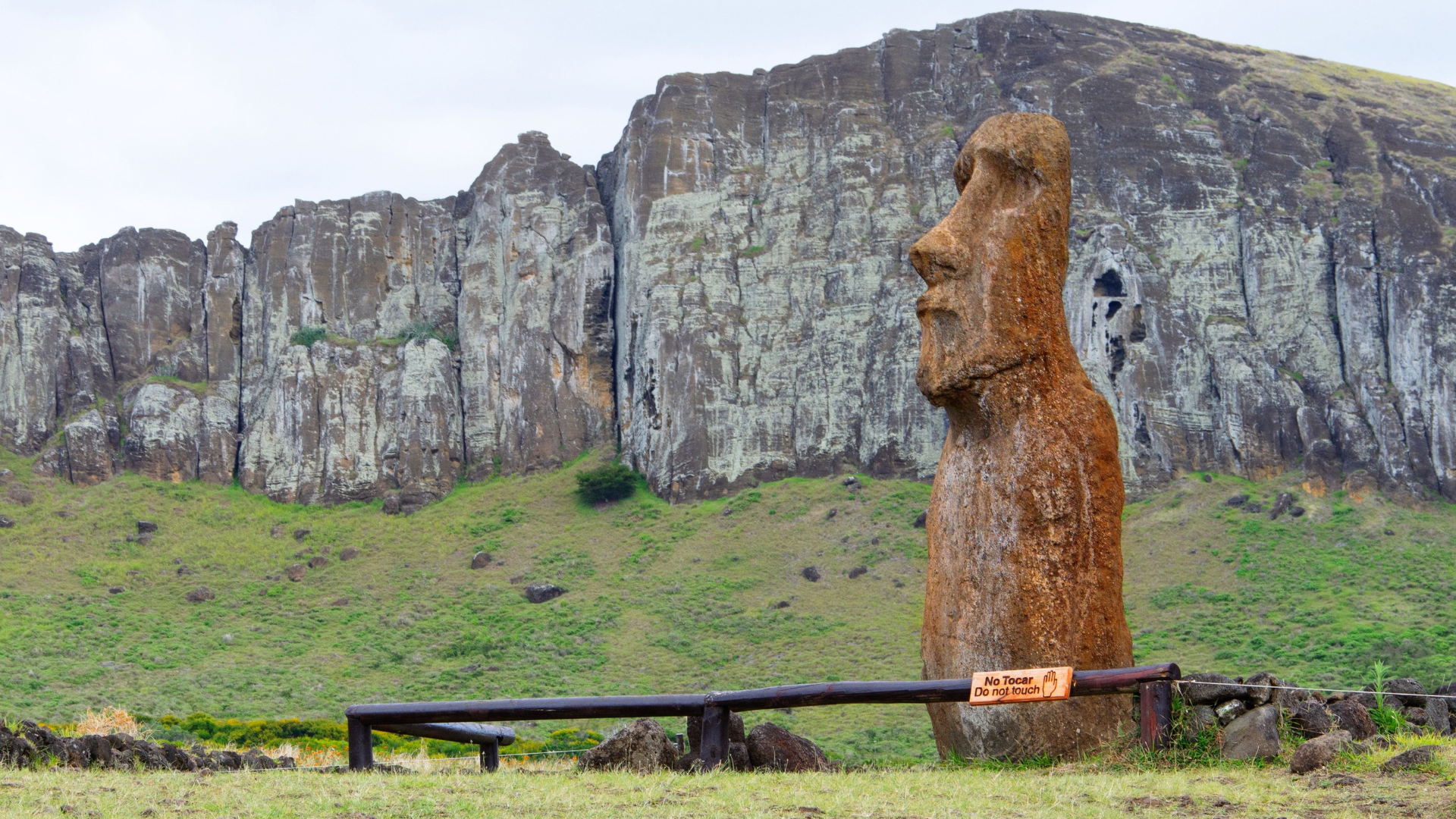
Unearth humanity's past from a truly global perspective, with this two-year part-time undergraduate Diploma in Archaeology.

Advance CBT research at Oxford with this part-time MSc for Diploma graduates. Undertake high-quality research, contribute to the evidence base and prepare for publication through a research or clinical study pathway.