
This course will explore the vital role which patronage played with respect to the art and architecture of the Italian Renaissance.
Filter by:
Filters
Start month
Day of the week
Time of day
This course will explore the vital role which patronage played with respect to the art and architecture of the Italian Renaissance.
Explore the remarkable contribution of successive generations of Oxford-educated explorers, merchants, intellectuals and prime ministers who were instrumental in the building and the breaking-up of British America.
Examine notions of 'self', 'psyche' and 'soul' in mystical, medieval and contemporary psychoanalytical settings. As well as giving a historical framework to these terms, we will also explore pastoral and practical applications in a contemporary context.
Our hands-on workshop will explore short-form writing – long valued by readers, writers and publishers. 'Writing short' provides writers (beginning and experienced) with an ideal vehicle for creativity, with a focus on style, experimentation and editing.
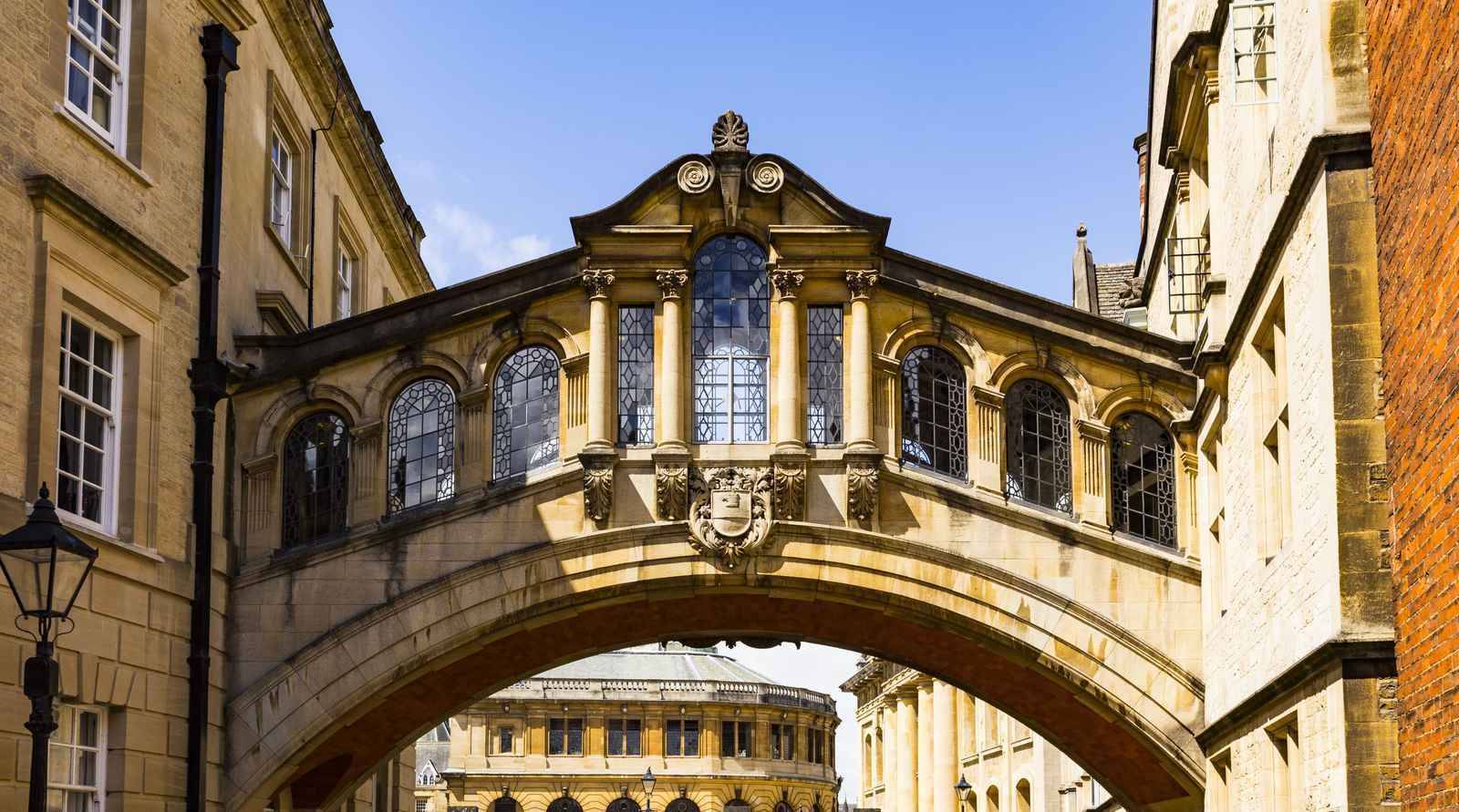
Explore the role plague and disease played in seventeenth-century England. From the lived experience of diarists, plague searchers, victims and medics to its expression in works of literature by Shakespeare, Dekker, Jonson and more.
A comprehensive exploration of family environments, the way they shape psychological development, and how they provide the basis for mental health and well-being from early childhood to ongoing healthy adult functioning.
Berthe Morisot and Mary Cassatt are the two major women artists of French Impressionism. They fought hard to overcome obstacles and to succeed in the Paris art world. This course will examine their achievements and their place in art history.

Explore the fascinating world of human behaviour in this introduction to psychology – study memory and forgetting, personality, and aspects of childhood development. Understand what makes us unique through perspectives from Freud to Positive Psychology.

Explore the piano repertoire in a lively mixture of talks and workshops, in which all students will have regular opportunities to play. We will focus on technique, but workshop sessions will also cover interpretation. Open to players of all levels.

Artificial intelligence is everywhere we look. But what do we mean by 'intelligent'? Do machines 'think'? Does AI have the potential of becoming self-aware or conscious? Do we need to fear the singularity? Can we align AI with our human values and ethics?
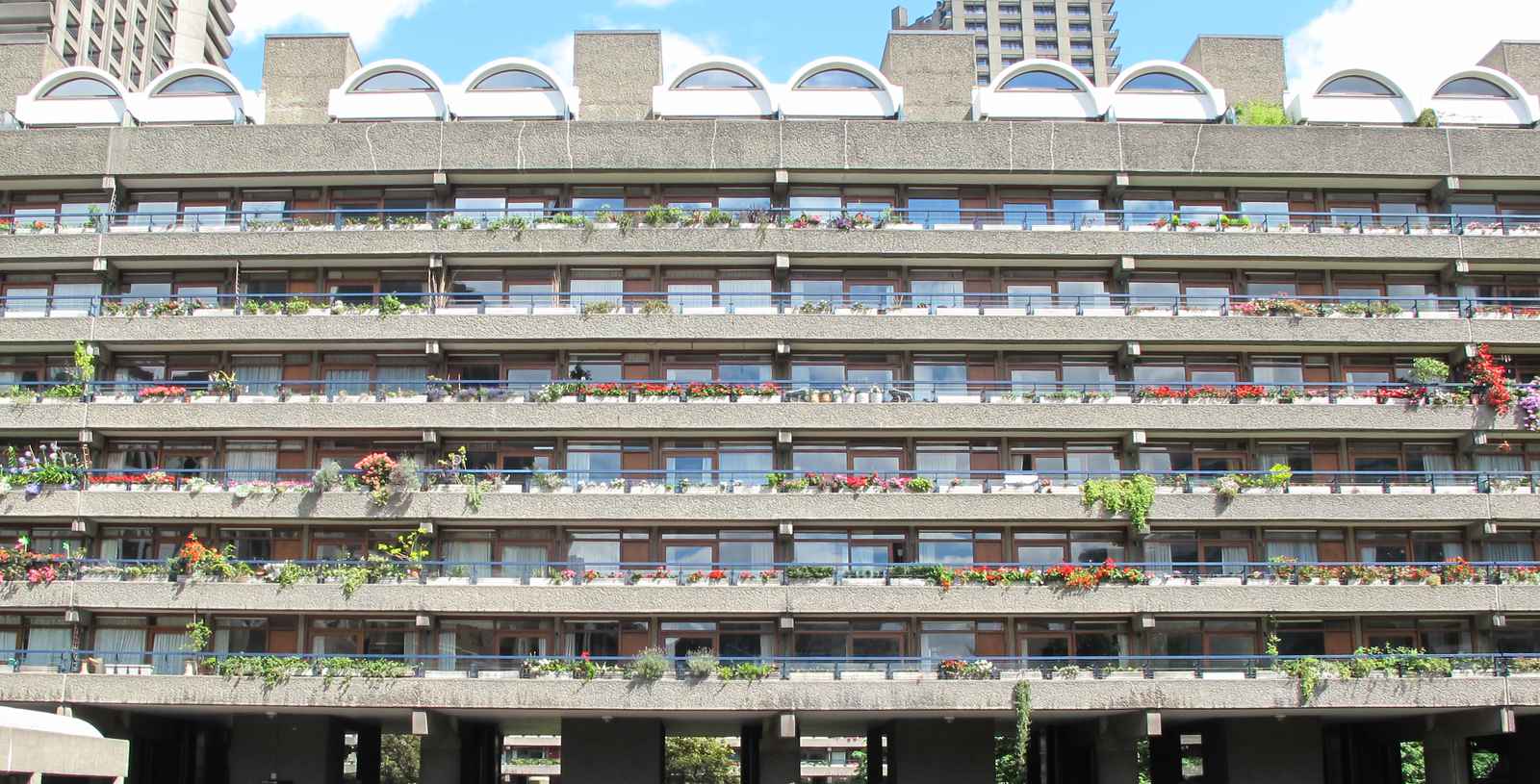
Explore British Modernism through the Brutalist architecture of the 1950s and 1960s. Discover iconic buildings and uncover the bold design principles that define Brutalism in Britain.

Design, conduct and interpret epidemiological studies in large routine health care databases.