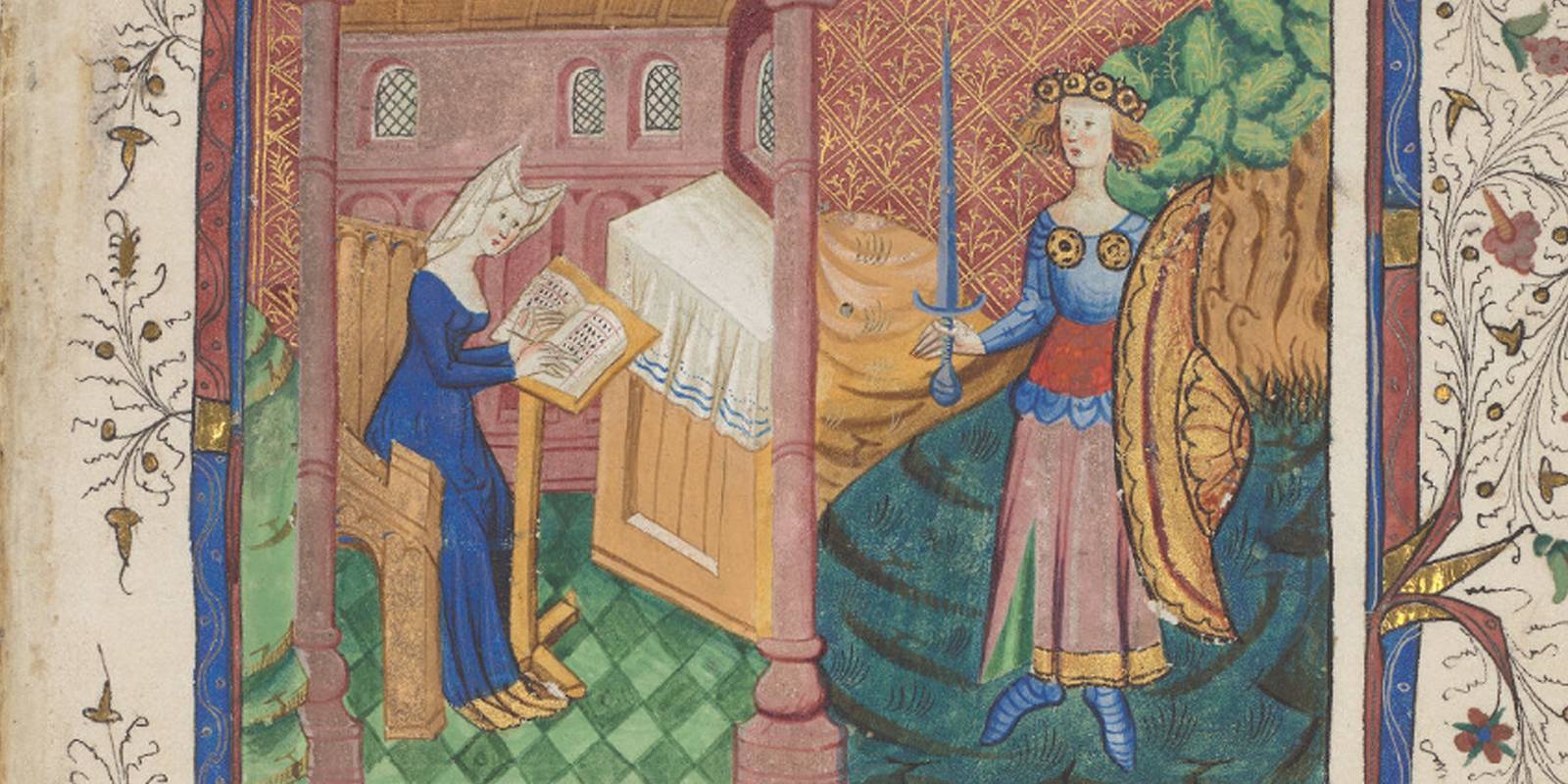
Chivalry was more than medieval knights in shining armour jousting for the love of fair ladies. This course explores how chivalric values profoundly shaped political, literary and artistic cultures from the medieval period through to the present day.
Course search results
Filter by:
Filters
Start month
Day of the week
Time of day
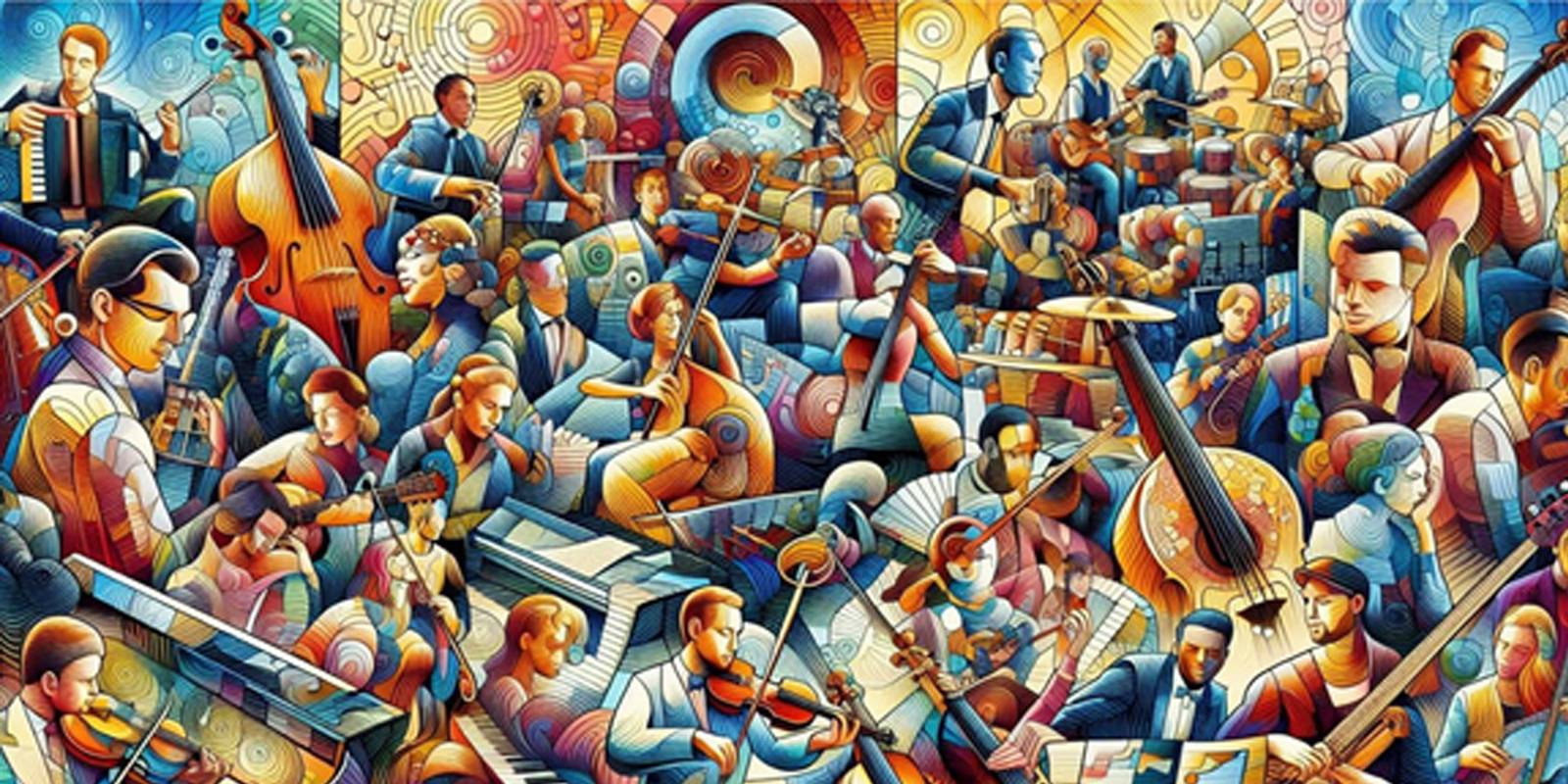
A course for anyone who loves music but wants to understand it better. We explore classical, jazz, pop, folk and world music in a non-technical way from the point of view of the listener, aiming to give a deeper sense of involvement in the music.
Propaganda shaped history throughout the world in the twentieth century. We will explore its roots in mass politics, literacy and media, its consequences for democratic and totalitarian politics and culture, and its challenge to the very idea of truth.
Medieval art glitters and enthrals. Medieval architecture elicits wonder and awe. In this introductory course you will learn about its breadth and diversity, from great cathedrals and imposing castles to sacred icons and subversive marginalia.
Introduction to the content of the Old Testament/Hebrew Bible and the New Testament, together with their religious and socio-political backgrounds, languages and main theological themes and interpretations.
Mathematics can be used to describe patterns around the spread of infectious diseases and predict future trends. Aimed at a general audience, this course will cover key mathematical concepts for building and analysing models of disease transmission.
Why engage with an approach to ethics that is 2,300 years old? Because ethics without Aristotle is inconceivable, and his insights into what is good for humans remain invaluable. Join in to explore and discuss the 'Nicomachean Ethics'.
This introduction to Existential Therapy will enable both experienced clinicians from other therapeutic traditions and those with a general interest in therapy to gain a foundation in key existential theory and skills.
Complete the beginner’s level of Biblical Hebrew by review and consolidation of what has been learned in Parts 1 and 2, deepening knowledge of linguistic structures and increasing confidence.
Continue your journey into Biblical Hebrew. This course follows on from Beginners Part 1, focusing particularly on verbs and sentence structure to enable deeper analysis and exegesis of biblical text.
This course offers an introduction to Economics through the lens of micro, macro, behavioural economics, and political economy for beginners. It covers the key thinkers, policies, and institutions that shape our world.