
British Iron Age archaeology during the 1st millennium BC was diverse and complex. We will look at how the many peoples which the Romans called the Britani and we often call the Celts changed and developed, including material culture and settlement.
Course search results
Filter by:
Filters
Start month
Day of the week
Time of day
Accredited courses include undergraduate and postgraduate level courses.
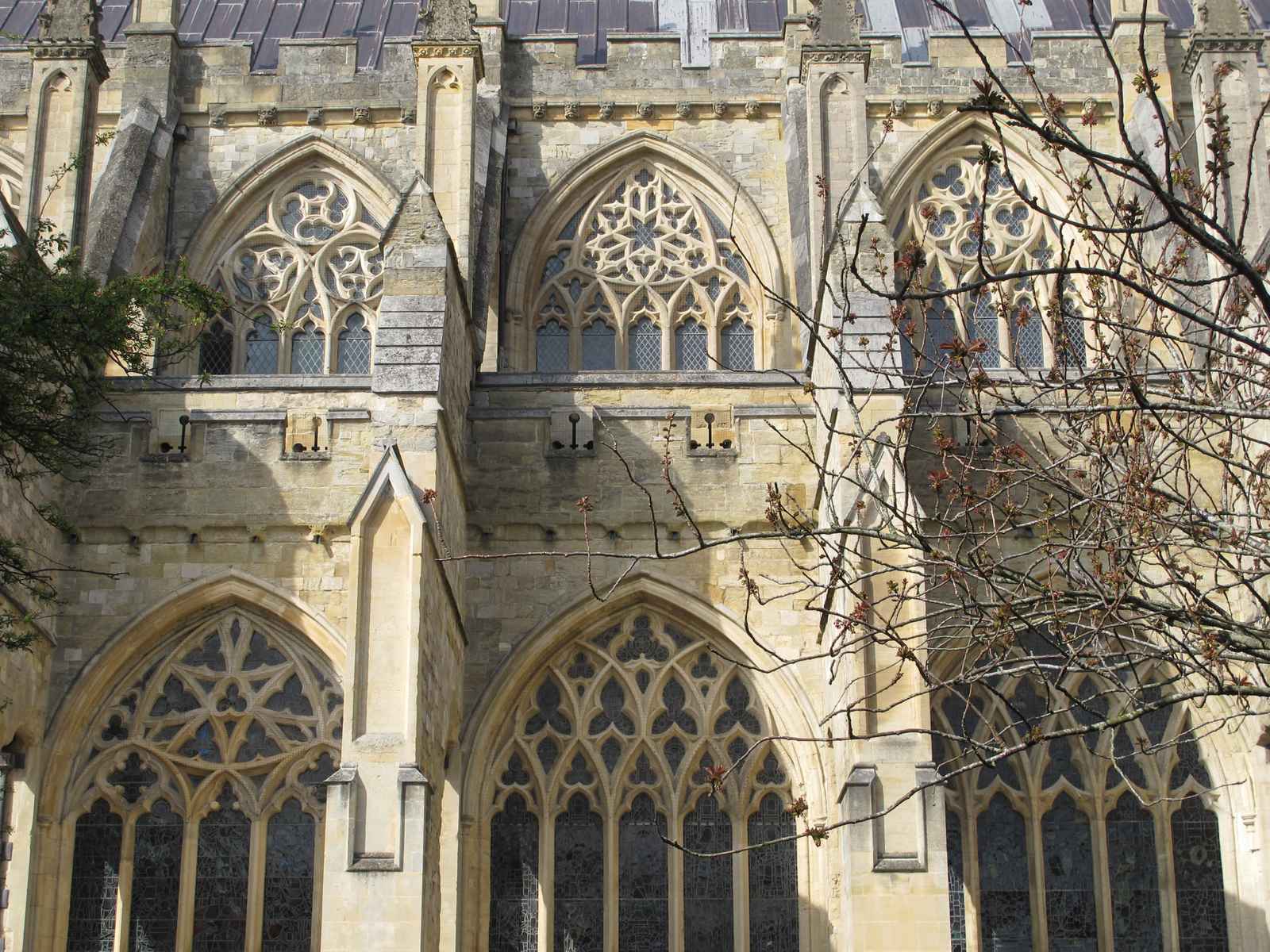
Flowering after 1300 with the ogee arch and glorious flowing window tracery, the Decorated style not only operated as a distinct form unique to medieval England, but was later regarded by Pugin as his favoured style for the Gothic revival of the 1800s.

You will learn and hone essential techniques for writing traditional forms of poetry, as well as free verse, in the talks and workshops of this course.

Examine the brain and behaviour, covering neuroscience and biological psychology. Topics include basic brain neuroanatomy, learning, memory, language, consciousness, emotion, motivation, eating, sleeping, sex, brain lesions, psychological disorders.

This course introduces many of the key arguments for and against the existence of God, and includes explorations of some cutting-edge work, including sceptical theism and the cognitive science of religion. No previous knowledge is required.

What, and where, is your mind? Is your mind your brain? Or are your conscious experiences something over and above what's going on physically? An introduction to key issues in The Philosophy of Mind with a focus on consciousness.

Improve your language skills, and understanding of the culture, society and daily life in the French-speaking countries. We will be covering listening, speaking and cultural awareness at lower intermediate level.

Join this interactive course to learn Portuguese language and explore its culture. For complete Beginners as well as those who have learnt some Portuguese expressions and phrases through travel or socialising.

Join this interactive course to learn Japanese language and explore its culture. For complete Beginners as well as those who have learnt some Japanese expressions and phrases through travel or socialising.

This course traces the changing nature of women's work, and the social and economic factors that shaped their employment opportunities and earnings. Why was women's work mainly low paid, and how did this begin to change before World War I?

The trial and execution of King Charles I in 1649 on a charge of treason was one of the most constitutionally significant events in British history. This course will explore the background to the trial, its timeline, and the aftermath of regicide.
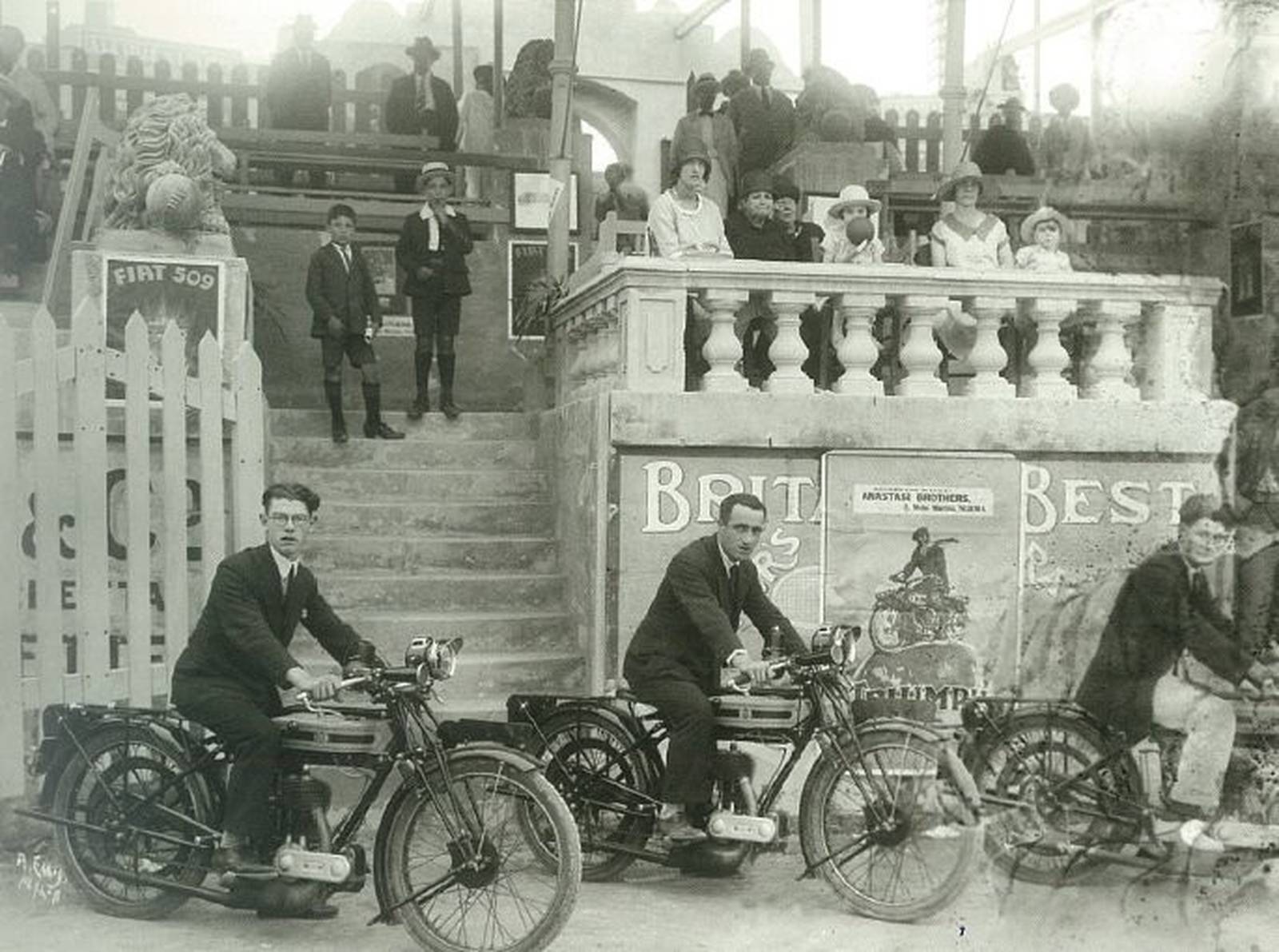
Britain in the Twenties and Thirties looked back to the lost world before 1914, but also forward to a future of progress in international relations, democratic freedoms, greater equality and personal fulfillment, in years haunted also by fears of war.