
 https://fionamccall.tumblr.com/
Dr Fiona McCall, D Phil (Oxon, 2008) is Departmental Lecturer in local and social history for Oxford Lifelong Learning and a fellow of Kellogg College, Oxford. She is an early modern historian specialising in sixteenth and seventeenth-century religious and social history. Her work focuses on anti-clericalism, religious conflict, sexual behaviour, family and memory within parishes during and after the English Civil war and interregnum. Her books include Baal’s Priests: the Loyalist Clergy and the English Revolution (Ashgate Press, April 2013) and an edited collection Church and People in Interregnum Britain, (University of Warwick) (Palgrave/RHS New Perspectives Series, 2021). She has published journal articles and book chapters on a variety of topics relating to Civil War and interregnum religion and society. Her current research projects focus on opposition to Godly religion during the interregnum period, interregnum witchcraft, the Adultery Act of 1650 and local memories of civil war.
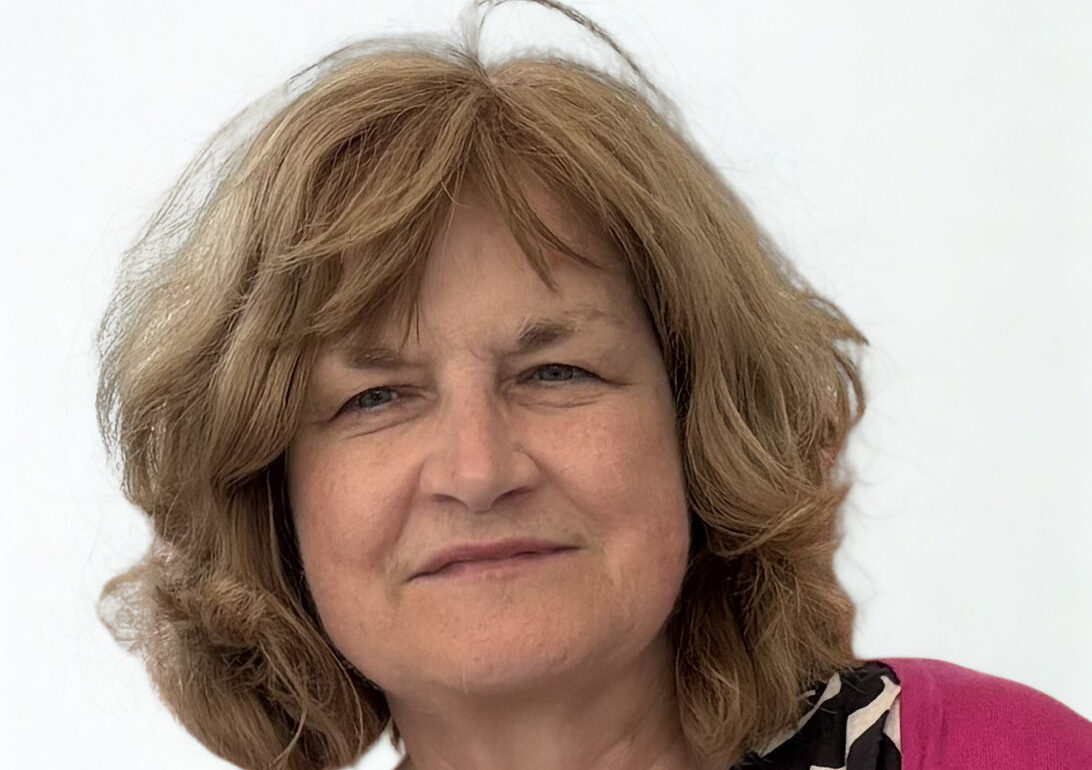
Dr Fiona McCall
Departmental Lecturer in Local and Social History
Fiona McCall is a qualified university teacher, a fellow of the Higher Education Academy with a postgraduate certificate in teaching & learning in higher education. She has experience of teaching undergraduates, postgraduates and mature students. She has worked as a part-time tutor for Oxford Lifelong Learning since 2009, firstly as a weekly class tutor, as a part-time tutor on the online Advanced Diploma in Local History and from 2015-2024 as a coordinator of the weekly class programme and day and weekend events. She currently teaches on the Diploma in English Local History as well as the ADLH. She is also a Senior Lecturer at the University of Portsmouth. At Oxford Lifelong Learning she enjoys teaching adults from different backgrounds, the experience, enthusiasm and appetite for learning they bring to their studies and to see some progressing to the MSc in English Local History and the doctoral programme, where she supervises several students studying topics relating to seventeenth-century religious, social and cultural history. Her teaching is student-centred, and uses a variety of methods and media including visual images, video, primary sources and data analysis to bring the subject she is so passionate about to life.
Fiona gained her D Phil in history from the University of Oxford (Lady Margaret Hall) in 2008. Her research, and the published monograph that resulted from it, looked at the social history of the English Civil War, through the experiences and memories of the loyalist clergy and their families. It centred on the archive of family and parish memories collected by John Walker for his 1714 history of the sequestered loyalist clergy, known as The Sufferings of the Clergy, as well as extensive research in local and national archival collections.
She was funded by the British Academy Small Grants Fund for 2015-17 for a project on loyalist resistance to the puritan church, 1645-1660, which has resulted in several published chapters and an edited collection, and which will form the basis of a second monograph under contract to Routledge, Unruly People: Ungodly Religion in the English parish, 1645-1660. Principal sources used are a database of over seven thousand legal records from county archives and the National Archives as well as other sources including Walker accounts, state papers, contemporary publications, churchwardens’ accounts, clerical diaries and correspondence. She is also writing a source book on interregnum witchcraft trial records, using the witchcraft records she has discovered in her research, and beginning a research project on local memories of the Civil Wars.
Books
- Church and People in Interregnum Britain, edited collection, (Palgrave/RHS New Perspectives Series, 2021)
- Baal’s Priests: the Loyalist Clergy and the English Revolution (Ashgate, 2013)
Recent articles and chapters
- ‘The Irresistable Authority of a Troop of Horse’: The New Model Army and Parish Life, Studies in Church History, 62 (2026), pp. 166-191
- ‘Protestant dissent under the early Stuarts’, Modern History Review 27 (2024), pp. 25-29
- ‘The minister is much disheartened; clergy and their communities in Interregnum legal records’, The Seventeenth Century, 38 (6, 2023), pp. 1007-1023
- ‘“The Child’s Blood should lye at his door”: local divisions over baptismal rites during the English Civil War and the Interregnum’, Studies in Church History, 59 (July 2023), pp. 198-221
- ‘“Breaching the laws of God and man”: secular prosecutions of religious offences in the interregnum parish’, 1645–60 in Fiona McCall (ed.) Church and People in Interregnum Britain. (London: University of London Press, New Historical Perspectives, 2021), pp. 137-7
- ‘Tolerable and intolerable local practices of religion during the English Interregnum’, in Mariëtta van der Tol, Carys Brown, John Adenitire and Emily S. Kempson (eds), Toleration and Religious Freedom in the Early Modern and Contemporary World, (Peter Lang, Histories of Religious Pluralism Series, 2021)
- ‘Outrages in the church: religious violence in the English parish after the English Civil Wars’, in Natasha Hodgson, John McCallum, Nicholas Morton and Amy Fuller (eds), Religion and Conflict in Medieval and Early Modern Worlds: Identities, Communities and Authorities, (Routledge, 2020)
- ‘A web of crosses and mercies interlaced: breakdown and consolidation of family patterns amongst loyalist Anglicans under the pressures of Civil War’, in Lucy Underwood, Tali Berner (eds), Childhood, Youth and Religious Minorities in Early Modern Europe, (Palgrave, 2019)
- ‘Not so meek and quiet: women’s responses to violence in loyalist accounts of the English Civil War’, in Women’s History Review, 28 (June 2019), pp. 1136-1156
- ‘Continuing civil war by other means: royalist mockery of the interregnum church’, in Mark Knights, Adam Morton (eds), The Power of Laughter and Satire in Early Modern Britain c.1520-1820: Contestation and Construction (Boydell, 2017)
Blog Posts
- ‘The Impact of the Civil War on English Parishes’, 2021, https://warwick.ac.uk/fac/cross_fac/myparish/posts/civilwar/
- Mary & George: homosexual relationships in the time of King James I were forbidden – but not uncommon, The Conversation, 6 March 2024