Sustainable urban development research

Interdisciplinary research at Oxford Lifelong Learning

Addressing the critical, urgent challenges we face to make our cities more liveable, just and sustainable.

Research on sustainable urban development (SUD) at Oxford Lifelong Learning seeks to develop advanced knowledge on the challenges and opportunities for developing more sustainable and just urban spaces, communities and politics. The SUD research programme takes an interdisciplinary approach to the study of sustainable urbanism drawing on a full spectrum of research methodologies and philosophies.

We aim to be at the leading edge in national and international developments in urban studies placing particular emphasis on understanding the social, economic and environmental processes of urbanisation and what it means for creating sustainable communities.

The team consists of full-time academic staff and part-time doctoral researchers working on projects focused on a wide range of regions such as Southern Africa, South Asia, the Caribbean Islands, etc.

Research has been primarily funded by the UK Research Councils, the British Academy, and Oxford’s John Fell Fund.

Links to current DPhil projects will be added here soon.

RESEARCH HIGHLIGHTS

Researchers

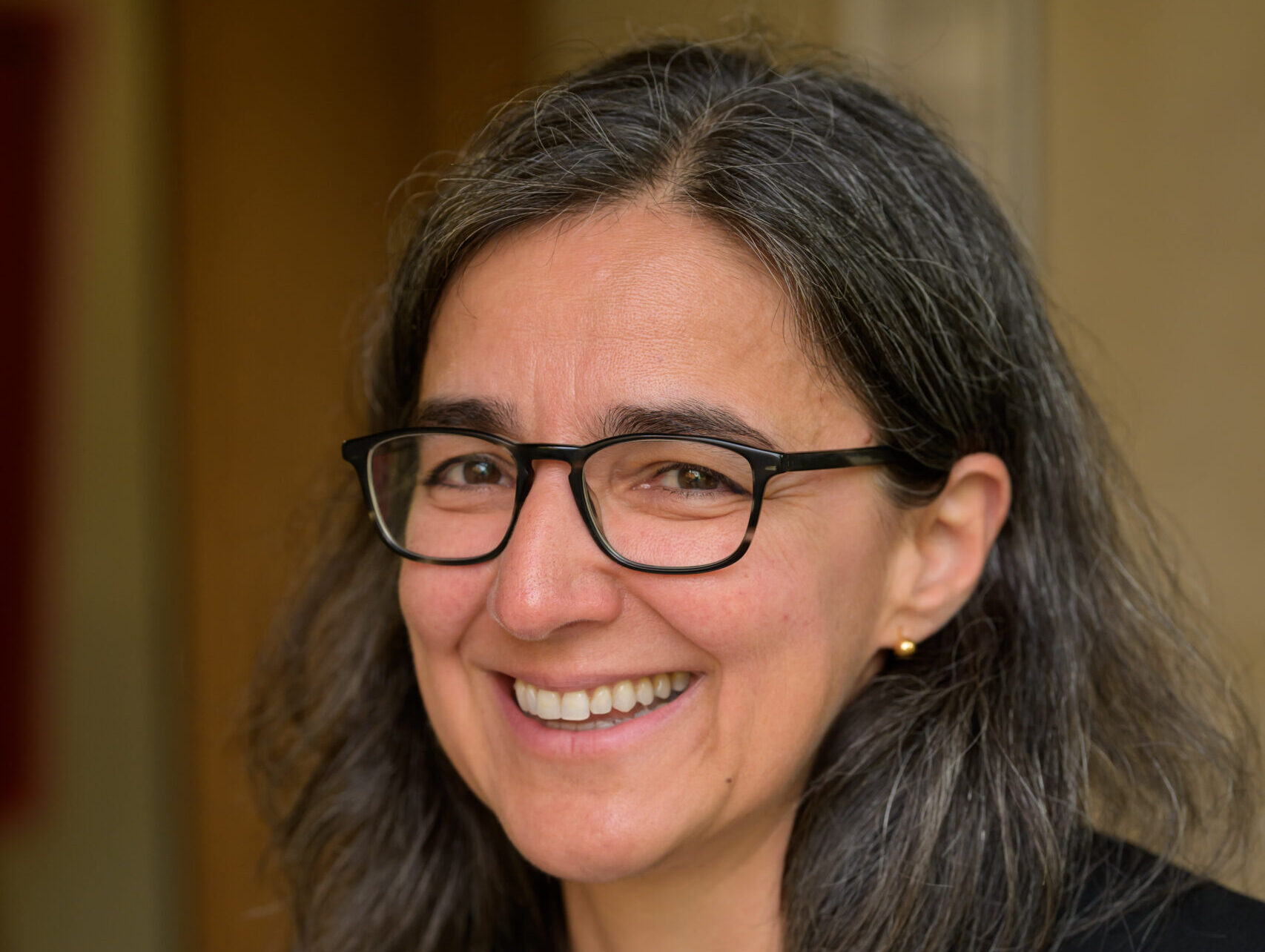
Dr Nihan Akyelken

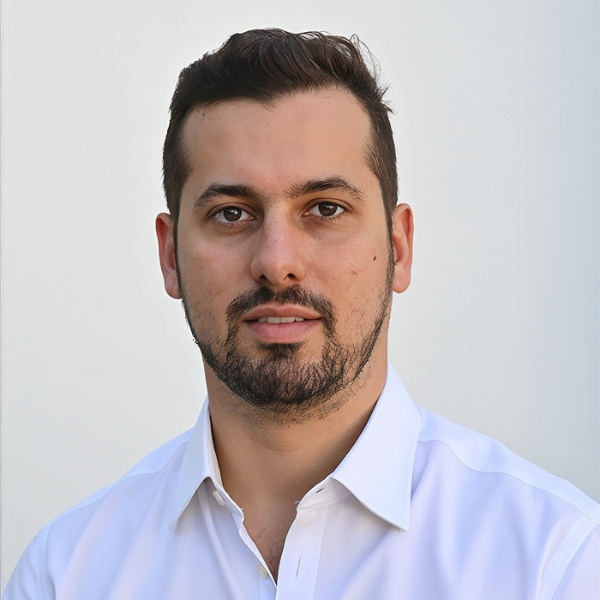
Dr David Howard

Research overview

This research is concerned with social and cultural processes and everyday life practices that affect and enhance the sustainability of cities.

  • ocial Exclusion, Mobility and Social Capital: work within this theme examines the relationship between mobility and social exclusion through the lens of social capital through a comparative case of climate change adaptation and social vulnerability in London and Manila (Principal researcher: Nihan Akyelken)
  • Multiculturalism from the margins: the significance of ‘place’ in the politics of identity, multicultural policy and contemporary urban festivals (Principal researcher: David Howard)
  • Electricity, citizenship and security: relationships between citizenship, development and access to affordable basic services in low-income urban communities (Principal researcher: David Howard)

Researchers

Dr Nihan Akyelken

Dr Idalina Baptista

Dr David Howard

Research overview

Research in this strand explores the institutional, governance and planning aspects of urban environments and the ways in which these shape the economy concerned with understanding the governance strategies for effecting and delivering sustainable and just change to urban communities. Current themes include:

  • Governance of Electric Urbanism in Africa: this research explores the challenges of governing electricity services in cities in Sub-Saharan Africa (Principal Researcher: Idalina Baptista)
  • Urban Governance in Conflict and Crisis: this research focuses on strategies to deal with contention, conflict and crisis in urban politics and governance involving a variety of urban problems (Principal Researcher: Idalina Baptista)
  • Political Economy of Urban Infrastructure Investments: this work aims to develop an analytical framework of urban infrastructure projects by integrating political economy analysis into appraisal and evaluation practices (Principal Researcher: Nihan Akyelken)
  • Urban Spaces of Work, Accessibility and Inequality: work within this theme investigates the implications of mobility constraints for access to economic activities and its wider implications for inequality in cities in Turkey (Principal Researcher: Nihan Akyelken)
  • Cities, Globalisation and Governance of Mobility of Goods: this research strand focuses on understanding the mobility implications of the globalisation of production and consumption practices for European cities (Principal Researcher: Nihan Akyelken)
  • Informality, development and urban governance: the role of social innovation and informal forms of governance and leadership in low-income neighbourhoods (Principal Researcher: David Howard)

Researchers

Dr Nihan Akyelken

Dr Idalina Baptista

Dr David Howard

Research overview

This is research concerned with the nature of urbanisation processes and patterns and the associated sustainability of urban environments. Current themes include:

  • Urban Electricity Practices in the Global South: using a socio-technical and ethnographic perspective, this research area investigates everyday practices related to electricity infrastructures in contexts of weak infrastructure planning and provision, urban informality and poverty (Principal Researcher: Idalina Baptista)
  • Colonial Urban Energy Landscapes: this research area examines the co-evolution of urban environments and energy infrastructures in colonial Africa as the product of historically contingent and context-specific socio-political processes (Principal Researcher: Idalina Baptista)
  • Knowledge for Sustainable Urbanisation: this research area focuses on the production, circulation and transfer of knowledge about what constitutes ‘good’, ‘just’ and ‘sustainable cities’ (Principal Researcher: Idalina Baptista)
  • Urban Innovations and Sustainability: this research strand focuses on conceptualising low carbon innovations and suggesting ways of how to govern them through the case of urban transport (Principal Researcher: Nihan Akyelken)
  • Infrastructure, resilience and tenure: the relevance of ‘resilience-thinking’ in the context of the regularisation of housing tenure in low-income urban communities (Principal Researcher: David Howard)
  • Shelter, security and formality: impacts of urban violence and access to housing and urban services in low-income communities (Principal Researcher: David Howard)

Researcher

Dr Idalina Baptista

Project overview

This British Academy Sustainable Development Programme funded research is part of a collaborative project led by Dr Vanesa Castán Broto of the University of Sheffield: Sustainable Energy Access in Mozambique: Socio-political factors in conflict-laden urban areas.

The research examines electricity management practices of staff within Mozambique’s national electricity company EDM (Electricidade de Moçambique, E.P.). It aims to study how EDM staff imagine its clients and how those views are expressed in the way the company manages the supply of electricity in the capital city of Maputo. The research seeks to identify the ways these everyday management practices promote unequal patterns of energy provision over time and space that can lead to social and political unrest.

Sustainable energy access in Mozambique

Achieving universal access to affordable, reliable, sustainable and modern energy requires dealing with socio-political constraints, particularly in conflict-laden areas. In Mozambique, where armed conflict is resurgent, achieving energy access can support economic development and the eradication of extreme poverty. Mozambique has abundant fossil fuel and hydropower resources and a nascent renewable energy industry. There are also business models, such as the prepaid electricity system, that enable poorer people to access energy in unprecedented rates. What then explains the persistence of energy poverty? Why do some populations lack reliable sources for basic needs such as lighting, cooking and heating water? We argue that to facilitate energy access we need to understand the socio-political conditions that prevent it, particularly the underlying conflicts related to energy provision. The project uses quantitative and qualitative methods developed through co-production processes to analyse the socio-political roots of energy-related conflicts and how they can be overcome.

The project aims to understand the social and political conditions that constrain universal energy access in urban areas in Mozambique, focusing in the underlying conflicts related to energy provision. The project has three objectives:

  • To understand the uneven geographical patterns of energy access in Mozambique
  • To examine how the political economy of Mozambique influences energy access
  • To examine the everyday processes of symbolic and economic violence constraining energy access

The aim is to provide recommendations to policymakers and other actors from the private and civil society sectors on how to improve energy access in Mozambique. The team will work directly with a diverse array of actors to understand their constraints. A key audience is that of Mozambique’s policymakers with agency to intervene in the provision of energy services, including: the electricity provider EDM, the Ministry of Mineral Resources and Energy, regulatory bodies in the energy sector, and private actors and NGOs who may play crucial roles in the implementation of locally-suited technologies and business models. Other target audiences include donors and international policymakers active in securing sustainable energy for all, including: DfID and the FCO in the UK, the World Bank, ESMAP, UNIDO, the International Energy Agency, and leading NGOs such as Practical Action.

Related publication

Baptista, I. 2018. Space and energy transitions in sub-Saharan Africa: Understated historical connections. Energy Research and Social Science. Available online first on 3 October 2017.

Researcher

Dr Vlad Mykhnenko

Project overview

This project, funded under the UK AHRC-ESRC joint Partnership for Conflict Crime and Security Research (PaCCS) Innovation Awards, will explore the experience of the Ukrainians displaced by the de facto annexation of Crimea by Russia in 2014, and the ongoing armed conflict in Ukraine’s Donbas region.

While a relatively large amount is understood about the political outcomes, both internal and external, there is little in-depth work on the social, legal, cultural, and economic impacts of the estimated 1.7 million people internally displaced by the conflict. Dr Vlad Mykhnenko (Co-Investigator), working alongside an inter-disciplinary international team of collaborators, comprising Dr Rilka Dragneva-Lewers and Dr Gulara Guliyeva (Birmingham Law School, the University of Birmingham), Prof Oksana Mikheieva and Dr Viktoriya Sereda (Ukrainian Catholic University, Lviv), led by Dr Irina Kuznetsova (PI, School of Geography, Earth & Environmental Sciences, the University of Birmingham), will explore the questions of economic adaptation and urban resilience of cities and local communities across Ukraine, hosting the internally displaced people.

Funded by: the Arts and Humanities Research Council

Funded Value: £79,149

Duration: 1 November 2016 – 30 April 2018

Since the beginning of the conflict in eastern Ukraine, and the annexation of Crimea, approximately 1.7 million Ukrainians have been internally displaced and are facing an uncertain future. The majority have experienced a significant drop in living standards, problems in accessing services such as health care, difficulties in obtaining suitable work and an overall lack of support for their situation. Furthermore, the displacement has had a significant impact on individual identities with people forced away from their ‘homelands’ while at the same time feeling abandoned by their state. While the conflict has gained a great deal of international attention, this is mainly focussed on the actions of the Russian and Ukrainian states and the former’s relationships with the rest of the world as a result of the war. Attempts at conflict resolution also focus on state level issues and thus the experiences, problems and voices of those internally displaced remain unheard. The project’s overarching argument is that meaningful post-conflict reconstruction, and reconciliation, cannot take place without a full understanding of problems that people displaced by the war face and their full incorporation into social, economic and legal structures within the country.

This project addresses this gap by interviewing those displaced by the conflict as well as those charged with assisting them. The key areas it explores are centred on their legal and social status, their everyday experiences, ability to obtain work in their new locality and how they cope with their new challenges. This will involve over a 100 in-depth interviews in multiple locations in Ukraine. The research team is interdisciplinary, with investigators from social geography, law, politics and economic geography, ensuring that differing approaches and methodologies will be brought together throughout the research. As well as the individual experiences, the research also examines how local and national authorities have attempted to assist this group and the barriers they have faced in doing so. Once this has been fully understood, the project then looks to the actions of the international community, such as the EU, the UN, and how their actions have assisted/impacted upon the lives of internally displaced people. Together these research areas will provide deep understandings of the many problems that internally displaced people face in Ukraine and how institutions, both state and NGO, can best provide assistance. Importantly, the research will also explicitly explore how internally displaced people can be more meaningfully involved in civil advocacy and political decisions at central and regional levels

Given the scale and urgency of the issues that the research explores, its findings will be of interest to a wide range of policy makers, government/NGOs representatives and academics. Through its interviews and public engagement events, the work will also provide a voice and pathway into debates for internally displaced people who are far too often unheard. The ground level data that the project will produce, contextualised by a deep engagement with policy reports and legal documents, will provide the basis for evidence-based policy development by the Ukrainian government, the EC, the UN, and NATO. The project will also produce accessible guidelines for internally displaced people, based on the research findings, to help them access the services that they need. These outcomes will combine to improve the lives of this group and to ensure they have a voice in future policy developments.

Based around the concept of necropolitics, the research’s theoretical base will ensure that the project has a broad academic engagement and will provide comparative elements to debates surrounding the problems internally displaced people face in other conflict torn regions.

For further details, visit the IDP Ukraine project website.

RESEARCH STAFF

STUDENT SPOTLIGHTS

After establishing a career as an architect in Cyprus, Andreas embarked on a DPhil in Sustainable Urban Development, which he pursued alongside professional practice. He…

Katherine is the first student to complete the DPhil in Sustainable Urban Development.

Having discovered that her MSc in Sustainable Urban Development research highlighted scope for further exploration, Aditi is now enrolled on the part-time DPhil programme. 

Starting her DPhil during the middle of a global pandemic, Mayleen found the induction to the programme smooth and balanced, providing the necessary support for…

SUSTAINABLE URBAN DEVELOPMENT PROGRAMME
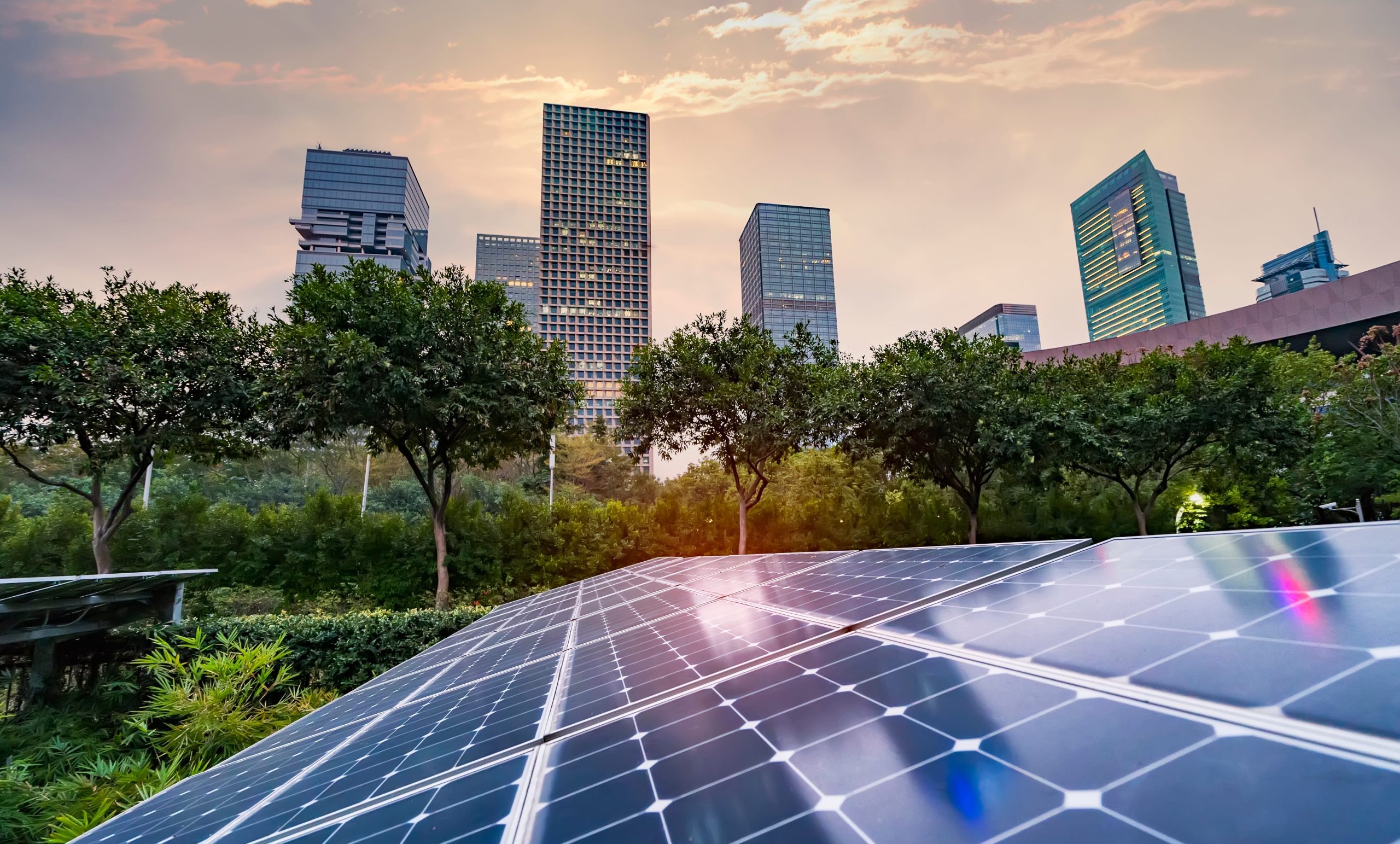
Sunset over city skyline, with prominent green spaces and solar panels.

MSc in Sustainable Urban Development

A transformative two-year part-time programme for working professionals across the globe. Taught by experienced faculty from Oxford University, known for its research excellence and impact, you will gain a greater understanding of the tools and methods available to develop solutions that address the critical, urgent challenges we face to make the urban environment more liveable, just and sustainable for the future.

DPhil in Sustainable Urban Development

A part-time programme providing an opportunity to pursue research about urban sustainability and the processes of environmental, economic, and social development in urban environments.

Browse all urban studies courses

Back to top