
Award courses
DPhil in Sustainable Urban Development

Course status:
Open

Location:

Duration:
4-8 years, part-time

Study format:
In person

Level:
Postgraduate
Overview
The Doctor of Philosophy (DPhil) in Sustainable Urban Development is a part-time doctoral programme that provides outstanding students with an opportunity to pursue in-depth and rigorous research about the pressing challenges of urban sustainability and the processes of environmental, economic, and social development in urban environments around the world.
Students admitted to the programme are usually motivated to undertake detailed research in preparation for an academic career and other research-intensive occupations; to have a substantial impact on future policy-making processes; or to pursue and/or advance their professional career at organisations and institutions operating in the field of sustainable urban development. The course provides support and an intellectual environment by leading scholars in the field to pursue your own independent research.
KEY INFORMATION
Upcoming application deadline: Wednesday 27 January 2027, 12:00 GMT

The DPhil in Sustainable Urban Development is a research-based, part-time course focused on urban sustainability, exploring environmental, economic, and social development challenges through independent, interdisciplinary research.
To learn more about the research topics you’ll have the opportunity to explore, please refer to the ‘Is this course for you’ section on this page.
Students are required to have a good general knowledge of the field within which research falls, and of the methods appropriate to the study of this field. Throughout the period of study, you will be part of a thriving international graduate community of students engaged with sustainable urban development, including students on the part-time MSc in Sustainable Urban Development.
You’ll have the opportunity to undertake research within the specialised themes of this course, which include:
- Climate action and city governance
- Energy geographies and sustainable cities and regions
- Equality, diversity, inclusion and the city
- Housing, property markets and placemaking
- Transport mobilities
- Southern urbanisms
- Urban geography and political economy
- Urban infrastructures and technologies in cities
- Urban morphology and evolutionary economic geography
- Urban planning, policymaking and politics
- Work, gender and mobility.
There is an expectation that candidates will read widely and in depth throughout their time on the programme, and show the ability to think about and critique current theoretical thinking in their chosen area of study. It is hoped that the final thesis might substantially advance theoretical thinking (in addition to broadening the empirical base) within a number of interdisciplinary areas.
This DPhil programme is taken over a minimum of four years (12 terms) and a maximum of eight years (24 terms). Students are required to attend a minimum of 30 days of university-based work each year for the duration of the studies, to be arranged with the agreement of the supervisor. As part of the minimum 30 days per year requirement, students are expected to take part in three termly Doctoral Weeks (see below).
Students admitted to this degree conduct their own research under the guidance of a University supervisor, who will advise on all aspects of training, development and academic progress. Students must be prepared to work a good deal independently, and will need considerable personal motivation. Students are required to have a good general knowledge of the field within which research falls and of the methods appropriate to the study of this field. Throughout the period of study, students are part of a thriving international graduate community of peers engaged with sustainable urban development, including students in our MSc in Sustainable Urban Development.
Students are initially admitted as a Probationary Research Student (PRS), in line with University regulations on doctorates. During the probationary period, students develop and begin work on the thesis topic. They will develop research skills through a range of training and skills development offered during the termly Doctoral Week, as well as via the Department’s Graduate School and other units across the University.
The termly Doctoral Week brings together students from all cohorts on the programme to discuss relevant topics in sustainable urban development, as well as to develop research skills and engage it additional research training and development.
Students must apply for a Transfer of Status from PRS to DPhil status between the 6th and the 8th terms after admission (each academic year at Oxford has three terms). This involves the submission of a piece of written work that is examined by two assessors (neither of whom will be supervisors). This process is to ensure that the student’s work is of potential DPhil quality and that the methodology of the research is appropriate and feasible. Upon successful completion of the Transfer of Status, students usually undertake a period of fieldwork over one to two years.
Students will also be required to apply for a Confirmation of Status as DPhil sometime between the 12th and 18th terms after admission. This will also involve the submission of a piece of written work that is assessed by two assessors (neither of whom is a supervisor). The Confirmation assessment is different to the Transfer assessment as the assessors will be focusing on how the research is progressing, the quality of the draft thesis chapters, and the plan for completion. The assessors will be looking to ensure that the student is making the appropriate amount of progress in the development of the thesis, so that the thesis submission will be achieved within the time limit.
Role: Potential Supervisor
Keywords: Transport and mobility; mobility-related social exclusion; inequalities and access; urban economic inequalities; labour and work; mega projects; governance of mobility innovations.
Role: Potential Supervisor
Keywords: urbanisation in Africa; energy infrastructures; colonial and post-colonial infrastructures; urban planning and governance; urban theory.
Role: Potential Supervisor
Keywords: Property Development and Investment; Developer/Investor behaviour; Planning (de)regulation; Development Value Capture; Housing and Build-to-Rent; Land- and Property-Ownership; Neighbourhoods and Place-making.
Role: Potential Supervisor
Keywords: Transport and mobilities; sustainable tourism; low carbon transitions; work and labour; infrastructures; energy systems.
Role: Potential Supervisor
Keywords: Urbanisation and development geographies of Latin America and Caribbean societies; housing, land tenure and informality; urban security; urban colonial legacies; place-making; Dominican Republic, French Guiana, Jamaica, Trinidad and Tobago.
Role: Potential Supervisor
Keywords: Economics of sustainability; urban economics; real estate markets, smart cities and big data.
Role: Potential Supervisor
Keywords: Urban and regional economies; shrinking cities; resilience; economic convergence, divergence and territorial cohesion; fiscal federalism, devolution and local government finance.
Award of the DPhil is dependent upon completion of a 100,000-word doctoral thesis within an area of Sustainable Urban Development to the satisfaction of two examiners (neither of whom are supervisors) and defending that thesis in a more formal viva voce with the two examiners.
As a minimum, applicants should hold or be predicted to achieve the following UK qualifications or their equivalent:
- a master’s degree with distinction overall, or a distinction grade on the dissertation as a minimum, in a discipline relevant to sustainable urban development; and
- a first-class or strong upper second-class undergraduate degree with honours in any discipline.
The allocation of graduate supervision for this course is the responsibility of Oxford Lifelong Learning and it is not always possible to accommodate the preferences of incoming graduate students to work with a particular member of staff. Under exceptional circumstances, a supervisor may be found outside the Department.
English language proficiency
This course requires proficiency in English at the University’s higher level. If your first language is not English, you may need to provide evidence that you meet this requirement. Further information on English language requirements can be found here.
Funding opportunities
Please see our funding page for help and information with regard to funding doctoral studies. We further recommend that applicants search for funding opportunities via the online Fees, Funding and Scholarship search tool.
In order to be considered for many scholarships, applicants are required to apply by the January deadline. However, applicants should note that some scholarships require additional application materials and may have different deadlines, so applicants should make sure they check the application process for each scholarship carefully.
Applications for this course should be made via the University of Oxford Graduate Admissions website. This website provides information on fees and entry requirements, along with help on preparing and submitting your application.
Application deadlines
12:00 midday UK time on:
- Stage 1: Wednesday 27 January 2027 (Latest deadline for most Oxford scholarships)
- Stage 2: Tuesday 2 March 2027
You do not need to contact the department before you apply, but you may email the Programme Director with a clear research proposal so that they may assess whether your research project would fit the programme in the first instance. In any case, you are encouraged to visit the webpages of academic staff to check if anyone works on your specific area of interest. You may contact potential supervisors to check whether they would be willing to supervise your topic, although they may not be able to confirm this in advance.
If you have any questions regarding the application process, please contact us via pgr@conted.ox.ac.uk.



STUDENT SPOTLIGHTS
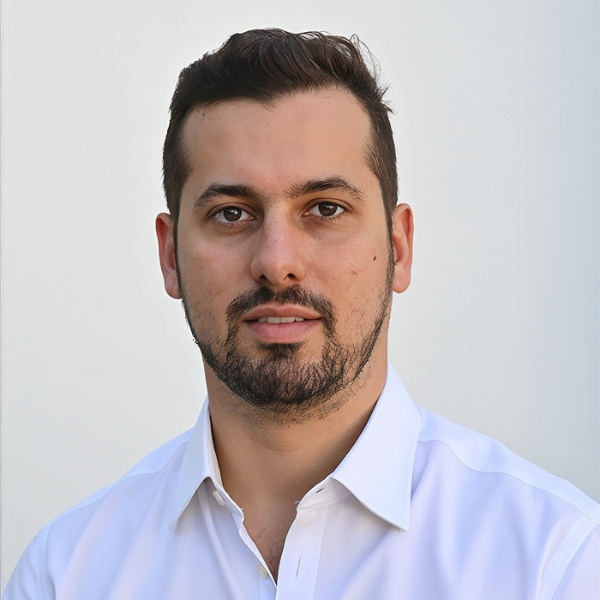
After establishing a career as an architect in Cyprus, Andreas embarked on a DPhil in Sustainable Urban Development, which he pursued alongside professional practice. He…
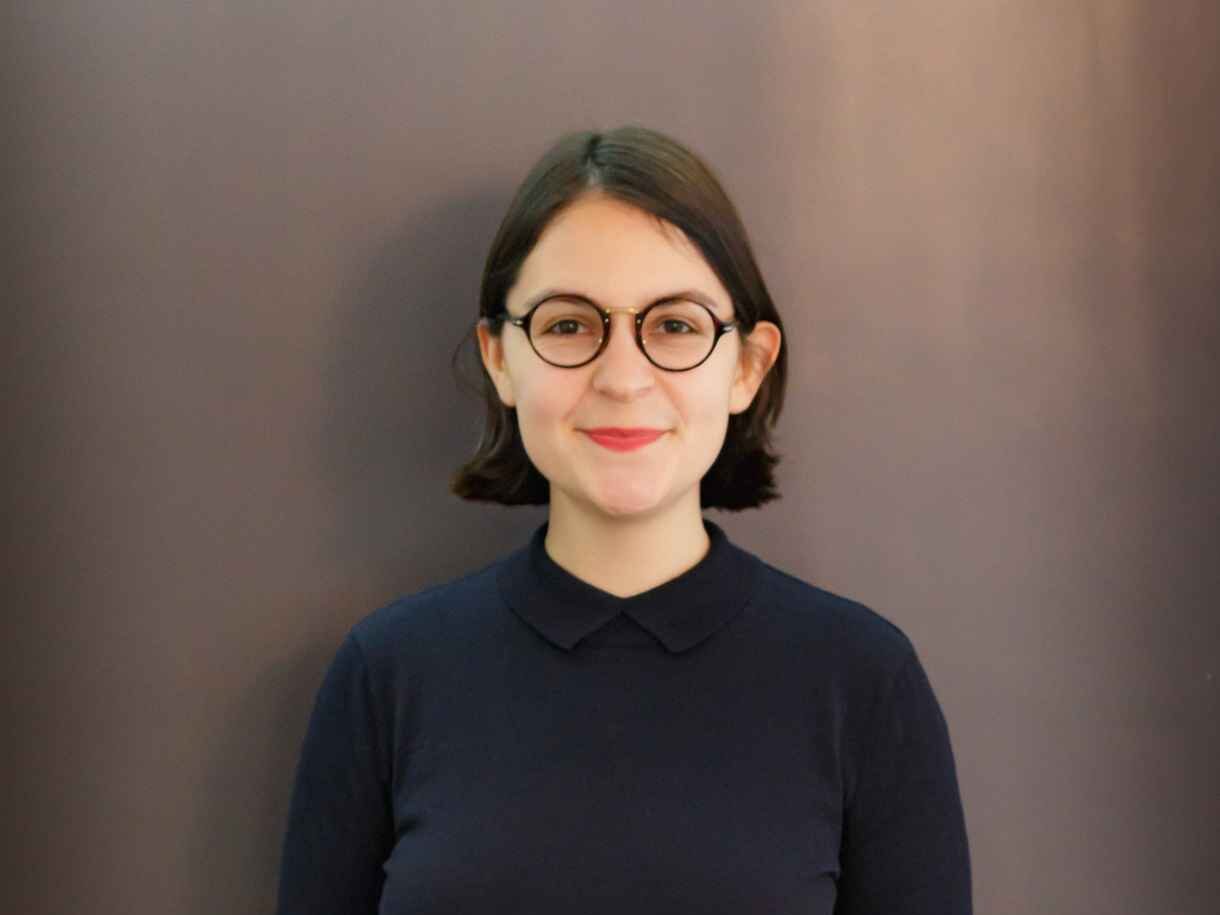
The part-time structure of the DPhil in Sustainable Urban Development programme allowed student Marion Lagadic to realise and embark on her dream of studying for…

During the second year of his DPhil in Sustainable Urban Development, Junior Mbangala worked at the United Nations in New York, highlighting the importance of…
MEET OUR ALUMNI

Katherine is the first student to complete the DPhil in Sustainable Urban Development.

Having discovered that her MSc in Sustainable Urban Development research highlighted scope for further exploration, Aditi is now enrolled on the part-time DPhil programme.
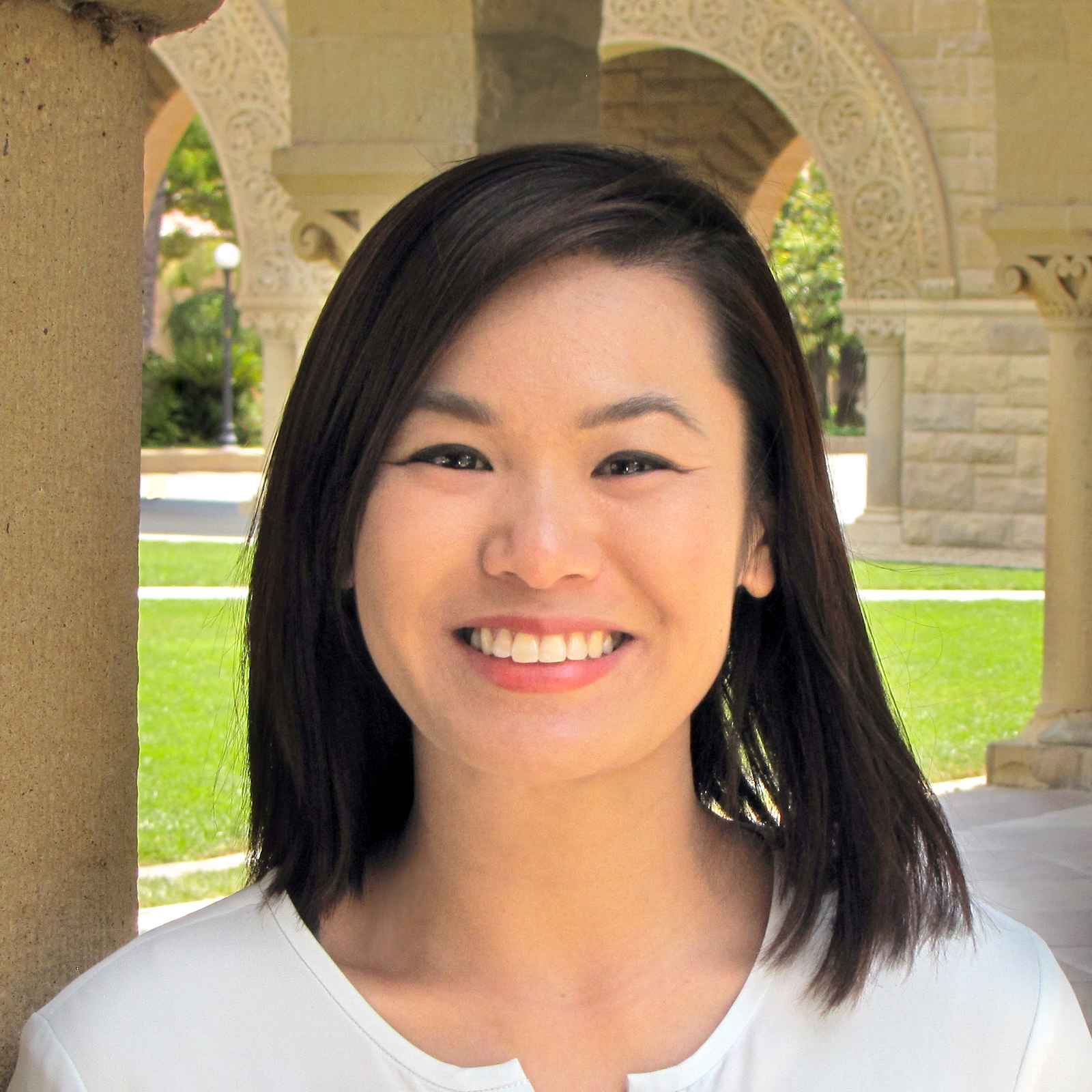
The Clarendon Scholarship has made it possible for Deland Chan to further her research into emerging bottom-up, neighbourhood-based approaches to urban sustainability.