

Training and networking sessions for Oxford University students

Graduate School free training sessions and events

For Oxford University postgraduate students

The Graduate School at Oxford Lifelong Learning welcomes postgraduate students from across the University of Oxford to our programme of free training sessions and networking events.

Although primarily intended for research students, sessions are also open to postgraduate taught students where the content is relevant to their studies. These sessions are designed to complement the research training offered by your division or department.

Where a session is open only to Oxford Lifelong Learning postgraduate students, this will be clearly indicated in the session details below.

Most sessions are hybrid, so can be attended either in-person or online.

Upcoming sessions

Our programme of sessions for Michaelmas term 2026 can be found below, organised by month. Please see the ‘How to register’ section for each session for details on how to book your place.

Please note that registration for most sessions will require you to complete a Microsoft Form, which you will need to access using your SSO.

How to find us

In-person sessions, unless otherwise stated, will take place at Rewley House:

Graduate School Room
Rewley House
1 Wellington Square
Oxford
OX1 2JA

For details of parking and accessibility, please see the University’s access guide.
OCTOBER 2026 SESSIONS

When: 13 October 2026, 10-11.30am

Where: In person or online (MS Teams)

Who can attend:

Oxford University postgraduate students.

Details:

Being an ethical being when researching not only guides our behaviour when doing research, it also includes our values and everyday activities, namely our integrity. Indeed, thinking ethically and with integrity is an active, deliberative, ongoing and iterative process of assessing and reassessing the situation especially throughout the research process (whether it be desk-based or empirical). This session will examine this reflexive nature by not only contemplating university policy but by also answering the underpinning question ‘why should I personally bother?’

Ethics is not just a box ticking exercise, indeed being an ethical being means that researchers need to be reflexive and perhaps even re-consider their own position and values through their research. It is this iterative thread throughout, and within, the research process – from research design to data collection, analysis and post completion (eg dissemination of findings and data sharing) that we, during this session, will consider your researcher position. Thus, in this session we will be looking beyond the surface level pragmatics of the ethical application and focus more deeply on understanding why thinking ethically and with integrity is a necessity, no matter the paradigm in which you situate yourself.

Key learning outcomes:

  • Consider what is good ethical practice in research.
  • Understand how ethical practices relate to research integrity.
  • The importance and relevance of ethical practices in your research paradigm.

Essential reading:

Further reading:

  • Hammersley, M., & Traianou, A. (2012). Ethics in qualitative research: Controversies and contexts. Los Angeles [i.e. Thousand Oaks, Calif.] ; London
  • Israel, M. (2014).  Research Ethics and Integrity for Social Scientists: Beyond Regulatory Compliance (Second ed.). London
  • Thomas, G. (2017) How to do your research project: a guide for students in education and applied social sciences, Third edition. London: SAGE.

Tutors:

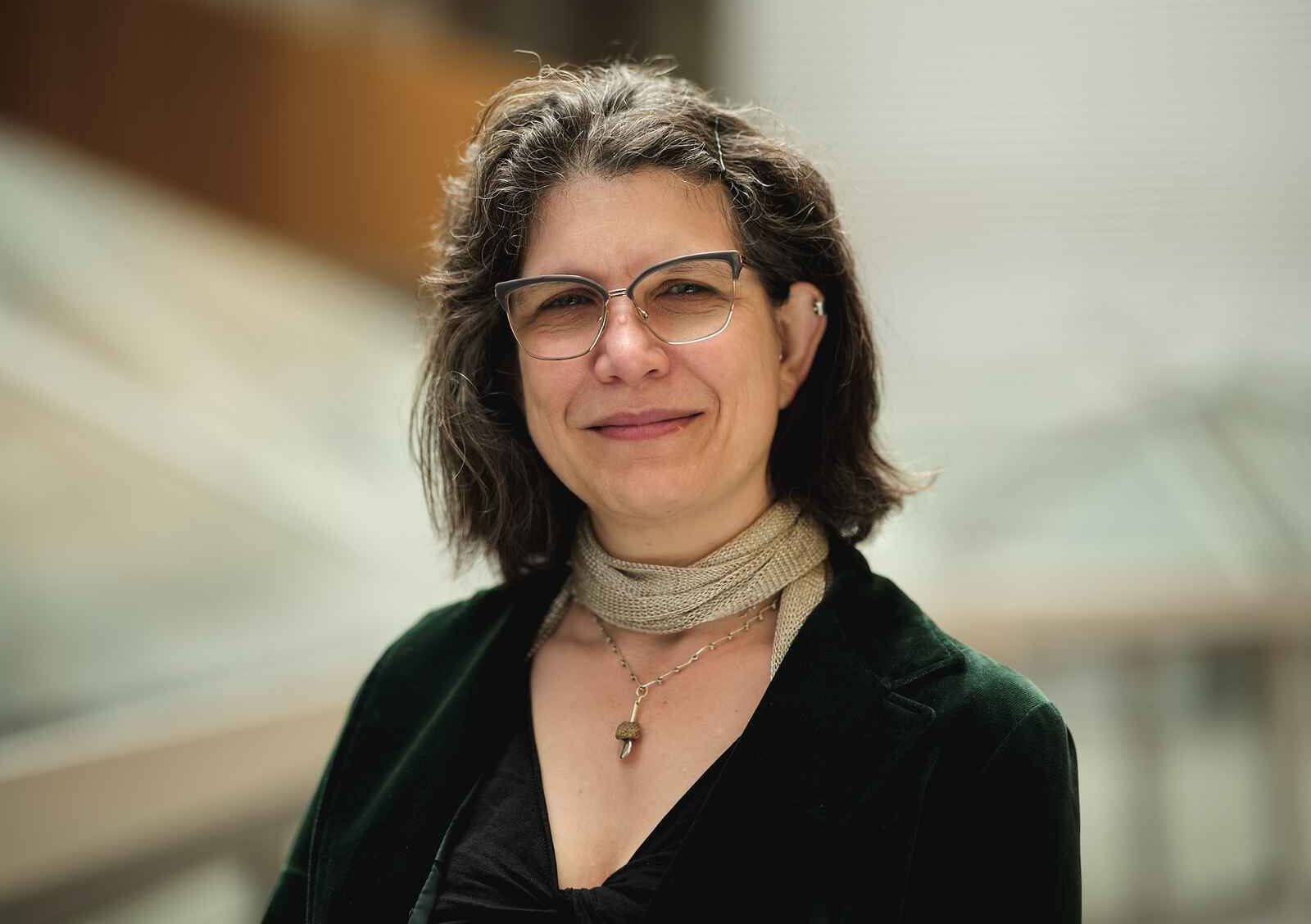
Dr Sarah Frodsham is the Co-Director of the Graduate School and the Chair of Ethics at Oxford Lifelong Learning.

Dr Ann-Marie Boylan is a Departmental Lecturer and Senior Researcher in Evidence Based Health Care.

How to register:

To book your place, please complete this online form (October sessions). Please ensure you select the correct attendance option (in person or online).

When: 20 minute time slots between 1-5pm, 14 October 2026

Where: Online (MS Teams)

Who can attend:

You must be a postgraduate student affiliated with Oxford Lifelong Learning, Oxford University Department for Continuing Education, to attend.

Details:

Dr Sarah Frodsham will be available to respond to your ethical enquiries relating to your research on a one-to-one basis.

The purpose of these sessions is to provide postgraduates with an opportunity to discuss any ethical considerations in their research design and practices.

One-to-one discussions will last 20 minutes and will take place between 9am-1pm on a bi-termly basis one or two weeks prior to the internal DREC submission deadlines.

Discussions will be held via MS Teams only, to ensure that the conversations will be conducted in privacy. With this mind, please ensure you are situated in a room where you will not be overheard.

If you think you may need longer than 20 minutes, please contact researchethics@conted.ox.ac.uk.

Tutor:

Dr Sarah Frodsham is the Co-Director of the Graduate School and the Chair of Ethics at Oxford Lifelong Learning.

How to register:

Time slots of 20 minutes will be allocated to each student and will need to be booked in advance through the Department’s Research Ethics Canvas Site. (Appointments can be made by selecting the ‘Assignments’ tab in the left-hand menu bar of the Canvas site).

You will receive a MS Teams invite 24 hours before the session.

When: 16 October 2026, 9am-1pm

Where: In person or Online (MS Teams)

Who can attend:

Oxford University postgraduate students.

Details:

This group provides postgraduates with a dedicated space in which to come together, write and provide constructive feedback.

We hope that this writing group will help you to achieve a specific writing goal, be it a paper, chapter, section of the thesis, or other piece of work that needs doing.

Agenda:

  • 9-10am: Peer-peer review of writing
  • 10-11am: Dedicated space to write
  • 11-11.30am: Share writing progress
  • 11.30am-12.50pm: Dedicated space to write

If attending online, we recommend joining 5-10 minutes before the session starts. Joining instructions will be sent out in advance of the session via email.

If joining us in person at Rewley House:

Graduate School Room
Rewley House
1 Wellington Square
Oxford
OX1 2JA

For details of parking and accessibility, please see the University’s access guide.
How to register and submit writing for feedback:

To book your place, please complete this online form (October sessions). Please ensure you select the correct attendance option (in person or online).

Please send any writing you want feedback on to sarah.frodsham@conted.ox.ac.uk at least 7 days in advance of the session. She will then distribute to attendees for friendly constructive criticism.

When: 16 October 2026, 2-4pm

Where: In person or Online (MS Teams)

Who can attend:

Oxford University students and staff.

Details:

This seminar will feature three DPhil students presenting their research, offering an opportunity to hear about a range of current doctoral research projects and emerging ideas.

Each presentation will be followed by time for questions and discussion, providing a supportive space for students to share their work, receive feedback, and engage with colleagues across the research community

Speakers:

  • Camila Hidalgo Salinas (Evidence Based Health Care)
  • Sumeyye Kocaman (Faculty of Asian and Middle Eastern Studies)
  • Andrew Bramwell (English Local History)

Presentation topics will be announced soon.

How to register

Students: To book your place, please complete this online form (October sessions). Please ensure you select the correct attendance option (in person or online).

Staff: Please contact the Graduate School to register by emailing gradschool@conted.ox.ac.uk.

When: 19 October 2026, 11am-12.30pm

Where: In person or online (MS Teams)

Who can attend:

Oxford University postgraduate students.

Details:

This practical session will help postgraduate students learn to write effective biographical notes tailored to different academic contexts, enabling you to confidently present your expertise and identity.

Biographical notes are a key part of academic life. Whether you’re submitting a conference abstract, contributing to a publication, applying for a grant or building your online presence, a well-crafted bio helps you communicate your expertise and identity effectively.

In this interactive and practical session, participants will explore the key components of a strong biographical note, including tone, length and content tailored to different contexts (eg formal vs. informal, short vs. extended). Attendees will draft and refine their own bios, gaining confidence in presenting themselves to diverse audiences.

Key learning outcomes:

  • Produce a succinct and purposeful biographical note.
  • Adapt a bio to a range of contexts within and outside academia.

Optional reading:

  • Bergman, O., Park, S. and Bagniewska, J., 2025. The one-minute elevator pitch. In: The Communicating Scientist: A Practical Handbook. Cham: Springer, pp. 173–204.

Tutors:

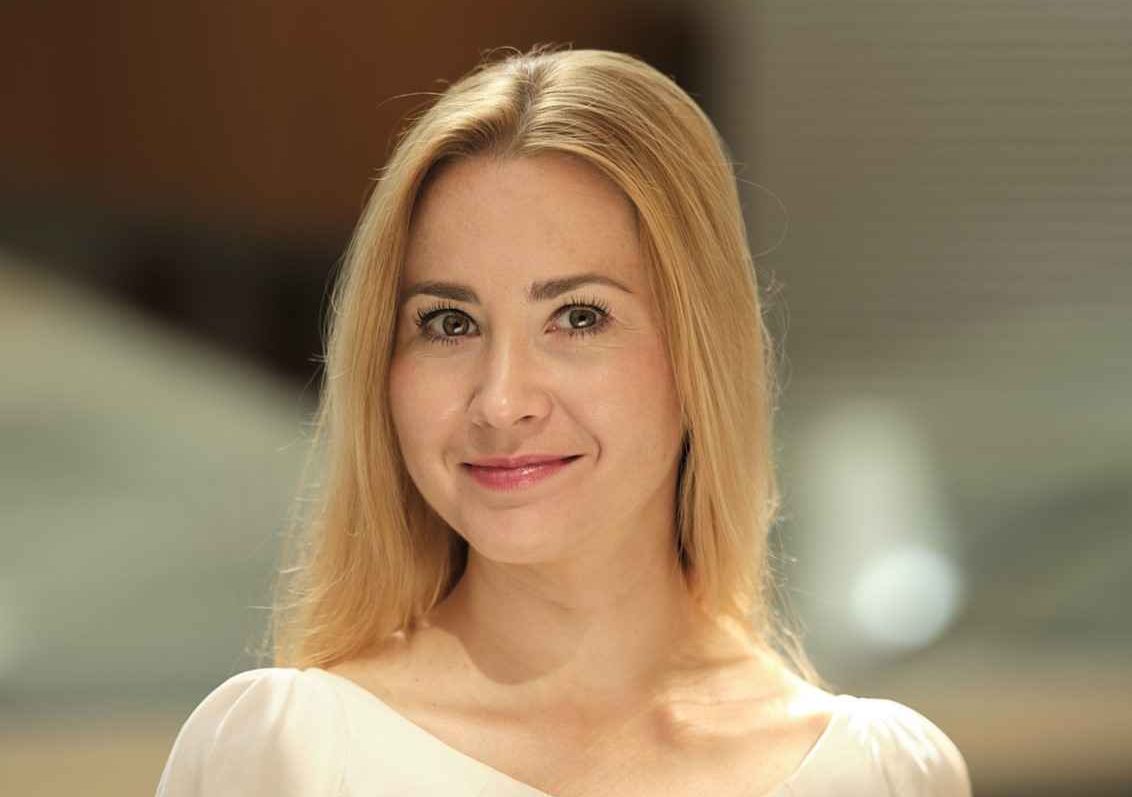
Dr Joanna Bagniewska is a zoologist and a science communicator. As a Departmental Lecturer at Oxford Lifelong Learning, she splits her time between co-directing the Postgraduate Certificate in Ecological Survey Techniques and teaching at the Graduate School. In her spare time, she is a freelance popular science writer, presenter and communications coach.

How to register:

To book your place, please complete this online form (October sessions). Please ensure you select the correct attendance option (in person or online).

When: 20 October 2026, 1-3pm

Where: In person or online (MS Teams)

Who can attend:

Oxford University postgraduate students.

Details:

Being able to effectively read large amounts of academic literature as well as reading beyond the descriptive and being critical of what is written are essential skills for the researcher. This session will consider techniques for reading effectively in different contexts and then invite you to think critically through seminal papers from different academic disciplines.

In the first part of this session we will consider approaches and techniques for effectively reading, absorbing, summarising and recording large amounts of academic literature. Students will be invited to share their own methods for tackling this common challenge. We will also discuss speed reading as a particular reading technique and learn more about what it involves.

In the second part of the session we invite you to look deeply at academic texts rather than at the surface messages. This goes beyond reading what the papers SAY, and examines what they DO and what the papers MEAN. We will also explore how this would resonate with researcher positionality. This requires the reader to not just read for information but with and through academic ‘ways of thinking’. How we do this will be modelled by evaluating writing from the sciences, social sciences and humanities.

This session will be followed by a second session on critical reading in Hilary term 2027 which will consider the choice of what to read and what to avoid, how to assess relevance and how to organize your sources effectively to support the progress of your research and the production of your thesis.

Key learning outcomes:

  • Assess techniques for effectively reading large amounts of material.
  • Understand the difference between descriptive text and critical reading.
  • Appreciate the purpose of critical thinking when reading.
  • Improve your confidence and ability to critique academic literature.

Essential reading:

Tutors:

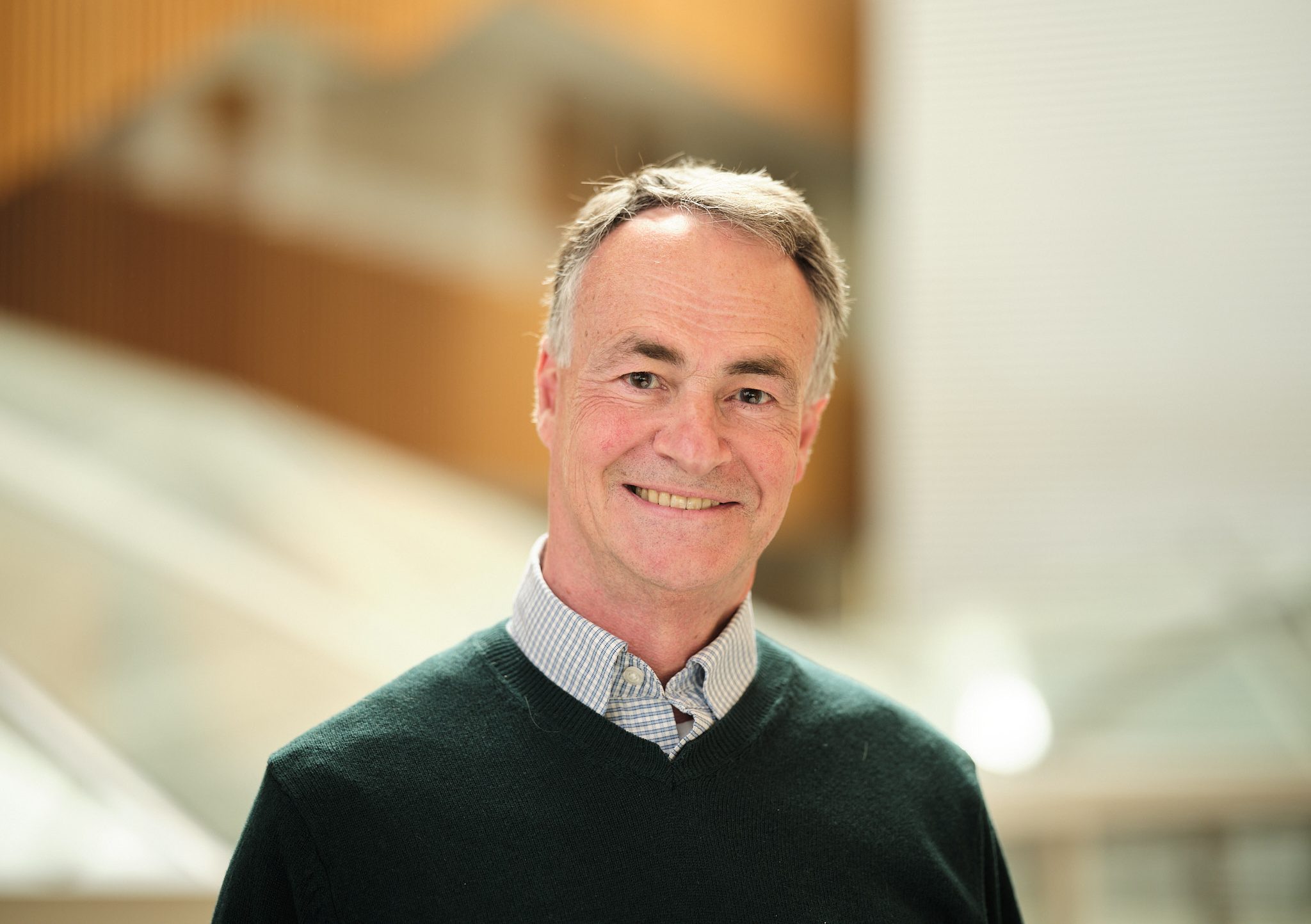
Dr Alistair Beecher is the Co-Director of the Graduate School and a history tutor at Oxford Lifelong Learning.

Dr Sarah Frodsham is the Co-Director of the Graduate School and the Chair of Ethics at Oxford Lifelong Learning.

How to register:

To book your place, please complete this online form (October sessions). Please ensure you select the correct attendance option (in person or online).

When: 23 October 2026, 9am-1pm

Where: In person or Online (MS Teams)

Who can attend:

Oxford University postgraduate students.

Details:

This group provides postgraduates with a dedicated space in which to come together, write and provide constructive feedback.

We hope that this writing group will help you to achieve a specific writing goal, be it a paper, chapter, section of the thesis, or other piece of work that needs doing.

Agenda:

  • 9-10am: Peer-peer review of writing
  • 10-11am: Dedicated space to write
  • 11-11.30am: Share writing progress
  • 11.30am-12.50pm: Dedicated space to write

If attending online, we recommend joining 5-10 minutes before the session starts. Joining instructions will be sent out in advance of the session via email.

If joining us in person at Rewley House:

Graduate School Room
Rewley House
1 Wellington Square
Oxford
OX1 2JA

For details of parking and accessibility, please see the University’s access guide.
How to register and submit writing for feedback:

To book your place, please complete this online form (October sessions). Please ensure you select the correct attendance option (in person or online).

Please send any writing you want feedback on to sarah.frodsham@conted.ox.ac.uk at least 7 days in advance of the session. She will then distribute to attendees for friendly constructive criticism.

When: 27 October 2026, 1-2.30pm

Where: In person or online (MS Teams)

Who can attend:

Oxford University postgraduate students.

Details:

A practical workshop to help postgraduate students assess their current skill set, identify gaps, and create a personal development plan for academic and professional success.

This session guides postgraduate students through a structured skills audit to pinpoint the competencies needed for their degree and future career. Participants will evaluate their strengths and areas for growth, then explore tailored strategies for upskilling. Through interactive activities and resource sharing, students will leave with a clear action plan to enhance their academic and transferable skills.

Key learning outcomes:

  • Identify the core skills required for success in your postgraduate degree.
  • Assess your current skill levels.
  • Recognise gaps and plan targeted upskilling strategies.

Preparation:

Think about the skills needed in your particular field, as well as those required by postgraduates in general. Consider the skills that your colleagues or mentors have – and how they have acquired them.

Tutors:

Dr Joanna Bagniewska is a zoologist and a science communicator. As a Departmental Lecturer at Oxford Lifelong Learning, she splits her time between co-directing the Postgraduate Certificate in Ecological Survey Techniques and teaching at the Graduate School. In her spare time, she is a freelance popular science writer, presenter and communications coach.

How to register:

To book your place, please complete this online form (October sessions). Please ensure you select the correct attendance option (in person or online).

When: 28 October 2026, 4-5pm

Where: In person or online (MS Teams)

Who can attend:

Oxford University postgraduate students.

Details:

Let’s Chat About It… is a relaxed discussion series for interdisciplinary postgraduate students and researchers, offering a welcoming space to share experiences, exchange ideas, and connect with peers.

Rather than setting a fixed agenda, each session will be shaped by attendees. A short poll will be sent out 48 hours before the session, allowing participants to vote on the topics they would like to discuss. Themes may include research methods, academic writing, career planning, publishing, wellbeing, AI in research, supervision, networking, fieldwork, or any other aspect of postgraduate life.

There are no presentations or expert speakers – just open, supportive conversations where everyone can contribute. Whether you’d like to share your insights, ask questions, or simply listen, you’re warmly invited to join the discussion.

Vote for the topics that interest you and help shape the conversation.

Tutor:

Facilitated by Dr Sarah Frodsham, Co-Director of the Graduate School and the Chair of Ethics at Oxford Lifelong Learning.

How to register

To book your place, please complete this online form (October sessions).

When: 29 October 2026, 1-3pm

Where: In person or online (MS Teams)

Who can attend:

Oxford University postgraduate students.

Details:

Managing references and citations becomes yet more daunting with masters and doctorate level work. While reference management software can significantly improve productivity when writing, it can also play a major role in managing data and sources alongside, or even in place of, other database software.

The University provides a range of materials to aid in choosing reference management software (see links below). This session will complement these materials, enabling students to make better choices about how to manage their data and sources and how these software tools might aid in this. A structured approach at the outset of the research greatly simplifies the process of accessing and citing material when presenting and writing. Practical examples will be given, alongside the opportunity for participants to share their own past experience of using the various tools.

Key learning outcomes:

  • Understand how reference management software can play a key role in (a) the research phase (b) writing the dissertation/thesis and any other publications (c) ongoing research.
  • Understand the software available and how to choose between the different options.
  • Understand where to find further support for the chosen software.

Essential reading:

Some prior familiarisations with this material will be helpful, but detailed study is not required before this session.

Tutors:

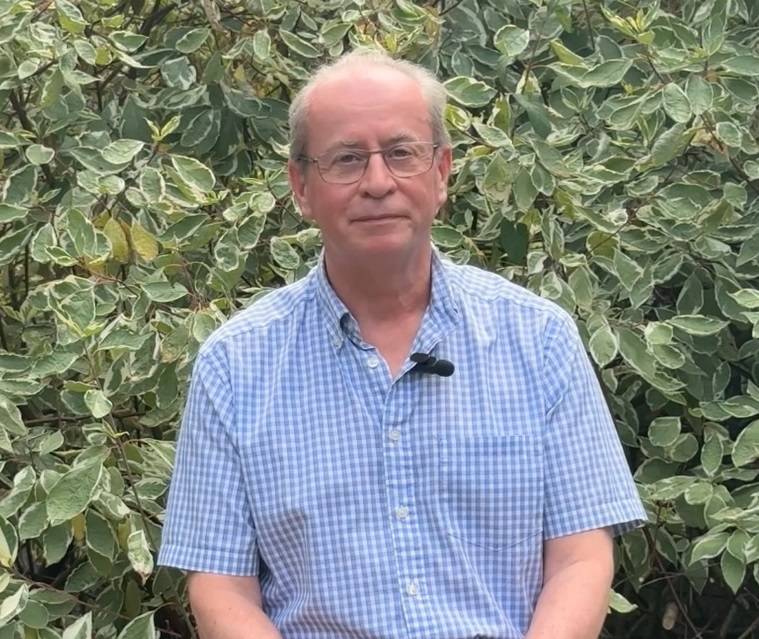
Grant Masom studied for a DPhil in English Local History after a Board level career in high technology. Since being awarded his DPhil in 2019 he has published a book and several journal articles based on his doctorate research and continues his research as a Research Associate at Oxford Lifelong Learning.

Dr Joanna Bagniewska is a zoologist and a science communicator. As a Departmental Lecturer at Oxford Lifelong Learning, she splits her time between co-directing the Postgraduate Certificate in Ecological Survey Techniques and teaching at the Graduate School. In her spare time, she is a freelance popular science writer, presenter and communications coach.

How to register:

To book your place, please complete this online form (October sessions). Please ensure you select the correct attendance option (in person or online).

When: 30 October 2026, 9am-1pm

Where: In person or Online (MS Teams)

Who can attend:

Oxford University postgraduate students.

Details:

This group provides postgraduates with a dedicated space in which to come together, write and provide constructive feedback.

We hope that this writing group will help you to achieve a specific writing goal, be it a paper, chapter, section of the thesis, or other piece of work that needs doing.

Agenda:

  • 9-10am: Peer-peer review of writing
  • 10-11am: Dedicated space to write
  • 11-11.30am: Share writing progress
  • 11.30am-12.50pm: Dedicated space to write

If attending online, we recommend joining 5-10 minutes before the session starts. Joining instructions will be sent out in advance of the session via email.

If joining us in person at Rewley House:

Graduate School Room
Rewley House
1 Wellington Square
Oxford
OX1 2JA

For details of parking and accessibility, please see the University’s access guide.
How to register and submit writing for feedback:

To book your place, please complete this online form (October sessions). Please ensure you select the correct attendance option (in person or online).

Please send any writing you want feedback on to sarah.frodsham@conted.ox.ac.uk at least 7 days in advance of the session. She will then distribute to attendees for friendly constructive criticism.

NOVEMBER 2026 SESSIONS

When: 2 November 2026, 10.30am-12pm

Where: In person or online (MS Teams)

Who can attend:

Oxford University postgraduate students.

Details:

This is an informal networking session for doctoral students.

Remaining part of a connected scholarly community can be difficult when you are researching remotely and independently. This is an opportunity to meet informally with your fellow students to update each other on your respective projects, to share progress and success, and discuss the challenges and barriers you are encountering.

Key learning outcomes:

  • Establish, develop and improve relationships with colleagues for mutual support.
  • Gain a greater understanding of what constitutes doctoral research in other academic disciplines.
  • Be able to concisely present your own research to non-specialists.

Pre-session requirements:

No pre-reading required. A short list of suggested questions to reflect on will be distributed in advance of the session (optional).

Tutors:

Dr Alistair Beecher is the Co-Director of the Graduate School and a history tutor at Oxford Lifelong Learning.

Dr Joanna Bagniewska is a zoologist and a science communicator. As a Departmental Lecturer at Oxford Lifelong Learning, she splits her time between co-directing the Postgraduate Certificate in Ecological Survey Techniques and teaching at the Graduate School. In her spare time, she is a freelance popular science writer, presenter and communications coach.

How to register:

To book your place, please complete this online form (November sessions). Please ensure you select the correct attendance option (in person or online).

When: 3 November 2026, 10am-12pm

Where: In person or online (MS Teams)

Who can attend:

Oxford University postgraduate students.

Details:

In this session we will not only examine the interview as a research method we will explore visual methods of data collection and how it goes beyond the spontaneous conversations that take place every day.

This session will introduce you to the research interview and visual methods to collect data (photo elicitation, object elicitation and photovoice). We will also explore and examine how each interview can involve very different participants (e.g. elite and migrants) and contexts (eg social and environmental circumstances). You will also consider the structure of a one-to-one interview schedule, with the aim to collectively explore the importance of piloting interview questions. With all of this in mind this session will also introduce some of the ethical dimensions that different researchers will need to consider when using this data collection technique.

Key learning outcomes:

  • To justify and understand why interviews can be a necessary provision in research to illuminate the unobservable.
  • Think ethically about differing interview research environments.
  • To appreciate how interviews can help uncover events and the meaning people attach to them.

Essential reading:

  • Brinkman, S., & Kvale, S. (2018).  Doing Interviews.  London: SAGE.
  • Dodgson, M. K, & Trotman, A. J. (2022). Lessons Learned: Challenges When Conducting Interview-Based Research in Auditing and Methods of Coping. Auditing : A Journal of Practice and Theory, 41(1), 101-113
  • Wilson, V. (2016). Research Methods: Interviews. Evidence Based Library and Information Practice, 11(1(S)), 47-49

Further reading:

  • Gubrium, J. F, & Holstein, J. (2001). Handbook of Interview Research. Thousand Oaks: SAGE Publications. 

Tutors:

Dr Alistair Beecher is the Co-Director of the Graduate School and a history tutor at Oxford Lifelong Learning.

Dr Sarah Frodsham is the Co-Director of the Graduate School and the Chair of Ethics at Oxford Lifelong Learning.

How to register:

To book your place, please complete this online form (November sessions). Please ensure you select the correct attendance option (in person or online).

When: 6 November 2026, 9am-1pm

Where: In person or Online (MS Teams)

Who can attend:

Oxford University postgraduate students.

Details:

This group provides postgraduates with a dedicated space in which to come together, write and provide constructive feedback.

We hope that this writing group will help you to achieve a specific writing goal, be it a paper, chapter, section of the thesis, or other piece of work that needs doing.

Agenda:

  • 9-10am: Peer-peer review of writing
  • 10-11am: Dedicated space to write
  • 11-11.30am: Share writing progress
  • 11.30am-12.50pm: Dedicated space to write

If attending online, we recommend joining 5-10 minutes before the session starts. Joining instructions will be sent out in advance of the session via email.

If joining us in person at Rewley House:

Graduate School Room
Rewley House
1 Wellington Square
Oxford
OX1 2JA

For details of parking and accessibility, please see the University’s access guide.

How to register and submit writing for feedback:

To book your place, please complete this online form (November sessions). Please ensure you select the correct attendance option (in person or online).

Please send any writing you want feedback on to sarah.frodsham@conted.ox.ac.uk at least 7 days in advance of the session. She will then distribute to attendees for friendly constructive criticism.

When: 9 November 2026, 11am-1pm

Where: In person or online (MS Teams)

Who can attend:

Oxford University postgraduate students.

Details:

The purpose of this session is to help students prepare for the transfer of status milestone.

This session will consider the practicalities of the transfer process, including the appropriate timing of the application, the required paperwork, the selection of examiners, the respective roles of students and supervisors, the feedback process and possible outcomes. The session will also reflect on the nature of the interview, the kind of challenges to expect and how to make the most out of the opportunity to get some independent input into the direction of the project.

Key learning outcomes:

  • Understand how the transfer of status process applies to their DPhil programme.
  • Be familiar with the documents required to support their application.
  • Appreciate what is required to prepare for the transfer interview.

Pre-session requirements:

No pre-reading required but a review of the appropriate section of the DPhil Handbook on Canvas would be helpful. Students from the divisions should read the equivalent  information for their programme of study.

Tutors:

Dr Claire O’Mahony is an Associate Professor in History of Art and Design and the Course Director for the MSt in the History of Design at Oxford Lifelong Learning.

Dr Alistair Beecher is the Co-Director of the Graduate School and a history tutor at Oxford Lifelong Learning.

How to register:

To book your place, please complete this online form (November sessions). Please ensure you select the correct attendance option (in person or online).

When: 10 November 2026, 2-4pm

Where: In person or online (MS Teams)

Who can attend:

Oxford University postgraduate students.

Details:

This workshop provides a practical and methodological introduction to conducting systematic literature reviews. It takes participants through the key stages of the review process, from developing a focused research question and defining eligibility criteria to designing a search strategy, screening studies, extracting data, assessing study quality and synthesising findings.

The session will highlight the methodological choices involved at each stage, as well as approaches for making the review process transparent, reproducible and appropriate to the research question.

Key learning outcomes:

  • How to formulate a clear and answerable review question
  • How to develop and document a systematic search strategy and study selection process
  • How to critically appraise studies and consider risk of bias and study quality
  • How to extract, organise and synthesise evidence from included studies
  • How to document and report review methods transparently and reproducibly

Essential reading:

Further reading:

  • Boland, A., Cherry, M. G., & Dickson, R. (2014) Doing a systematic review: a students guide. London: SAGE.
  • Field, A. P., & Gillett, R. (2010). How to do a meta-analysis.  British Journal of Mathematical & Statistical Psychology, 63(3), 665-694. doi:10.1348/000711010×502733.
  • Gough, D., Oliver, S., & Thomas, J. (2017).  An introduction to systematic reviews. London: SAGE.

Tutor:

Dr Joanna Bagniewska is a zoologist and a science communicator. As a Departmental Lecturer at Oxford Lifelong Learning, she splits her time between co-directing the Postgraduate Certificate in Ecological Survey Techniques and teaching at the Graduate School. In her spare time, she is a freelance popular science writer, presenter and communications coach.

How to register:

To book your place, please complete this online form (November sessions). Please ensure you select the correct attendance option (in person or online).

When: 11 November 2026, 10am-12pm

Where: In person or online (MS Teams)

Who can attend:

Oxford University postgraduate students.

Details:

This session will consider some of the common organisation patterns and conventions that are often followed when writing longer academic introductions found in theses, dissertations and publications.

Whilst there is no one way to write introductions, common conventions are typically followed around length, structure, order, content etc. This participatory and interactive session will consider what goes into an introduction and how it should typically be ordered. The session will draw on examples of introductions written by Oxford postgraduates, and there will be an opportunity to practice drafting yourself.

Key learning outcomes:

  • Discuss the different elements included in thesis/dissertation introductions, as well as the order in which these elements should be featured.
  • Assess to what extent a given academic introduction follows the CARS model introduced by Swales.
  • Plan one’s own introduction, citing which moves and steps would be most appropriate based on the subject matter of the study.

Essential reading:

  • Swales, J. (1990) Genre Analysis: English in Academic & Research Settings, Cambridge University Press.

Tutors:

Dr Michael D’Angeli is Acting Head, Programme Manager and Tutor in Academic English at the Oxford University Language Centre, Oxford Lifelong Learning.

How to register:

To book your place, please complete this online form (November sessions). Please ensure you select the correct attendance option (in person or online).

When: 13 November 2026, 9am-1pm

Where: In person or Online (MS Teams)

Who can attend:

Oxford University postgraduate students.

Details:

This group provides postgraduates with a dedicated space in which to come together, write and provide constructive feedback.

We hope that this writing group will help you to achieve a specific writing goal, be it a paper, chapter, section of the thesis, or other piece of work that needs doing.

Agenda:

  • 9-10am: Peer-peer review of writing
  • 10-11am: Dedicated space to write
  • 11-11.30am: Share writing progress
  • 11.30am-12.50pm: Dedicated space to write

If attending online, we recommend joining 5-10 minutes before the session starts. Joining instructions will be sent out in advance of the session via email.

If joining us in person at Rewley House:

Graduate School Room
Rewley House
1 Wellington Square
Oxford
OX1 2JA

For details of parking and accessibility, please see the University’s access guide.

How to register and submit writing for feedback:

To book your place, please complete this online form (November sessions). Please ensure you select the correct attendance option (in person or online).

Please send any writing you want feedback on to sarah.frodsham@conted.ox.ac.uk at least 7 days in advance of the session. She will then distribute to attendees for friendly constructive criticism.

When: 17 November 2026, 4-5pm

Where: In person or online (MS Teams)

Who can attend:

Oxford University postgraduate students.

Details:

Let’s Chat About It… is a relaxed discussion series for interdisciplinary postgraduate students and researchers, offering a welcoming space to share experiences, exchange ideas, and connect with peers.

Rather than setting a fixed agenda, each session will be shaped by attendees. A short poll will be sent out 48 hours before the session, allowing participants to vote on the topics they would like to discuss. Themes may include research methods, academic writing, career planning, publishing, wellbeing, AI in research, supervision, networking, fieldwork, or any other aspect of postgraduate life.

There are no presentations or expert speakers – just open, supportive conversations where everyone can contribute. Whether you’d like to share your insights, ask questions, or simply listen, you’re warmly invited to join the discussion.

Vote for the topics that interest you and help shape the conversation.

Tutor:

Facilitated by Dr Sarah Frodsham, Co-Director of the Graduate School and the Chair of Ethics at Oxford Lifelong Learning.

How to register

To book your place, please complete this online form (November sessions).

When: 19 November 2026, 11am-1pm

Where: In person or online (MS Teams)

Who can attend:

Oxford University postgraduate students.

Details:

In this session we will introduce and critically discuss whether a mixed methods approach to research is for you.

Whether you are doing a mixed methods research project in either the humanities or social sciences or not, this taster session will enable you to begin to critically consider whether it is a suitable methodological approach for you. We will examine what it means to be a mixed methods researcher and then consider your research through participatory resources.

Key learning outcomes:

  • Come to know the meaning, key features and varieties of mixed methods research available.
  • Think critically about the potential and limitations of mixed methods research.
  • Begin to consider whether mixed methods research is a suitable methodological approach for your research projects.

Essential reading:

  • Creswell, J. and Plano Clark, V. 2023. Revisiting Mixed Methods Research Designs Twenty Years Later. In: The Sage Handbook of Mixed Methods Research Design. Cheryl N. Poth Editor, 55 City Road: Sage Publications Ltd.
  • Creswell, J. and Clark, V., 2017 ‘The nature of Mixed Methods research ’ (focus on pp. 1–7) in Creswell, J. and Clark, V., Designing and Conducting Mixed Methods Research,  3rd SAGE

Tutors:

Dr Ben Burbank has a background in education and social research including impact evaluation, informal learning environments, digital ethnography, creative research methods, and mixed methods.

Ben is also a tutor on our eight-week course ‘Mixed Method Research in Social Science’.

How to register:

To book your place, please complete this online form (November sessions). Please ensure you select the correct attendance option (in person or online).

When: 20 November 2026, 9am-1pm

Where: In person or Online (MS Teams)

Who can attend:

Oxford University postgraduate students.

Details:

This group provides postgraduates with a dedicated space in which to come together, write and provide constructive feedback.

We hope that this writing group will help you to achieve a specific writing goal, be it a paper, chapter, section of the thesis, or other piece of work that needs doing.

Agenda:

  • 9-10am: Peer-peer review of writing
  • 10-11am: Dedicated space to write
  • 11-11.30am: Share writing progress
  • 11.30am-12.50pm: Dedicated space to write

If attending online, we recommend joining 5-10 minutes before the session starts. Joining instructions will be sent out in advance of the session via email.

If joining us in person at Rewley House:

Graduate School Room
Rewley House
1 Wellington Square
Oxford
OX1 2JA

For details of parking and accessibility, please see the University’s access guide.
How to register and submit writing for feedback:

To book your place, please complete this online form (November sessions). Please ensure you select the correct attendance option (in person or online).

Please send any writing you want feedback on to sarah.frodsham@conted.ox.ac.uk at least 7 days in advance of the session. She will then distribute to attendees for friendly constructive criticism.

When: 24 November 2026, 1-2.30pm

Where: In person or online (MS Teams)

Who can attend:

Oxford University postgraduate students.

Details:

If you are thinking about applying for a research grant this session will help you understand the process from the early career experiences of different academics.

Applying for a research grant can be understandably daunting, especially for an early career researcher. To help you to understand more about this process (both from a pragmatic and personal perspective) this facilitated panel discussion will consider several, different disciplinary, personalised narratives about this process. That is, the grant application process will be represented via expert panel members who will reflect on their early days as academics seeking funding.

This session is also designed to be interactive and there will be an opportunity to put questions to the panel members either in advance or during the session.

Key learning outcomes:

  • To begin to comprehend what is personally required when applying for a research grant.
  • Help you understand the pragmatics involved in applying for research grants.
  • To appreciate the positive and negative aspects of the grant application process.

Essential reading:

Tutors:

Dr Alistair Beecher is the Co-Director of the Graduate School and a history tutor at Oxford Lifelong Learning.

Dr Sarah Frodsham is the Co-Director of the Graduate School and the Chair of Ethics at Oxford Lifelong Learning.

Professor Andy Hopper is Professor of Social and Local History and the Director of Graduate Studies-Research at Oxford Lifelong Learning.

Professor Matt Jarvis is Professor of Astrophysics in the Department of Physics. Matt uses large survey data to understand how galaxies form and evolve and how we can use them to understand Dark Matter and Dark Energy. Matt has been a Professor at Oxford since 2012, after being faculty at the University of Hertfordshire for 6 years.  Prior to this he was a postdoc at Oxford and Leiden. Although he has had had many successes in securing research grants, including an ERC Advanced Grant in 2022, this followed not getting a starter or consolidator grant previously. He has also sat on various fellowship and grant awarding panels and often gets asked to review grant applications.

Dr Hilary Wynne is a Senior Research Associate in the Faculty of Linguistics, Philology and Phonetics, University of Oxford.

David Graham is the Research Development Manager at Oxford Lifelong Learning.

How to register:

To book your place, please complete this online form (November sessions). Please ensure you select the correct attendance option (in person or online).

When: 25 November 2026, 11am-12.30pm

Where: In person or online (MS Teams)

Who can attend:

Oxford University postgraduate students.

Details:

To be admitted to a doctoral research degree at any institution, students will be required to produce a detailed, compelling and robust research proposal. This session offers practical support and advice on the preparation of such a proposal.

This interactive and participative session considers the key elements, features and qualities of a successful proposal with a focus on what assessors are looking for in an application. Topics discussed during the session will include systematic/literature reviews, due diligence on potential primary sources and data sets, proposed methodologies, designing research questions, project plans, provisional structure and title, proposal length and style, and ethical considerations. Reference will also be made to other important aspects of the application such as potential supervisors and referees, personal motivation, time and financial commitment, self-assessment of skills etc.

Key learning outcomes:

Students will leave this session understanding:

  • what a research proposal is;
  • why research proposals are important; and
  • how to go about developing a good research proposal.

Essential reading:

  • Punch, K. (2016) Developing Effective Research Proposals, 3rd edn. (London: Sage).

Tutors:

Dr Alistair Beecher is the Co-Director of the Graduate School and a history tutor at Oxford Lifelong Learning.

Dr Sarah Frodsham is the Co-Director of the Graduate School and the Chair of Ethics at Oxford Lifelong Learning.

How to register:

To book your place, please complete this online form (November sessions). Please ensure you select the correct attendance option (in person or online).

When: 26 November 2026, 1-3pm

Where: In person or online (MS Teams)

Who can attend:

Oxford University postgraduate students.

Details:

This interactive and practical session will consider how to write a clear and effective abstract in various different academic contexts.

The ability to write a clear and effective research abstract is important in numerous academic contexts including proposing conference papers, applying for research grants, summarizing articles and book chapters and preparing your DPhil thesis. This session will consider what makes a good abstract and how to go about writing one. Practical examples will be considered and there will be opportunities to write and share your own abstracts.

Key learning outcomes:

  • Understand the purpose of abstracts and the importance of the audience.
  • Consider the contents and style of a good abstract.
  • Improve your confidence and ability to write your own abstracts.

Pre-session requirements:

Please watch these short YouTube clips and read these brief articles before the session. Compare and contrast the information contained and consider critically for discussion.

How to Write an Abstract for a Research Paper

How To Write An Abstract In 5 Minutes? A Practical Guide With Examples!

How to write an abstract for a research paper l What is an abstract l Step by step guide:

Essential reading:

  • Jane Coad and Patric Devitt, ‘Research dissemination: The art of writing an abstract for Conferences’, Nurse Education in Practice (2006) 6, 112-16, doi: 10.1016/j.nepr.2005.08.003.
  • Elisabeth Heseltine, ‘Writing an abstract: window to the world on your work’, Australian and New Zealand Journal of Public Health (2012) 36/3, 204-5, doi: 10.1111/j.1753-6405.2012.00865.x.
  • Ashish Kumar, ‘Writing an abstract: revealing the essence with eloquence’, Indian Society of Periodontology (2022), 26, 1-2, doi: 10.4103/jisp_634_21.

Tutors:

Dr Alistair Beecher is the Co-Director of the Graduate School and a history tutor at Oxford Lifelong Learning.

Dr Joanna Bagniewska is a zoologist and a science communicator. As a Departmental Lecturer at Oxford Lifelong Learning, she splits her time between co-directing the Postgraduate Certificate in Ecological Survey Techniques and teaching at the Graduate School. In her spare time, she is a freelance popular science writer, presenter and communications coach.

How to register:

To book your place, please complete this online form (November sessions). Please ensure you select the correct attendance option (in person or online).

When: 27 November 2026, 9am-1pm

Where: In person or Online (MS Teams)

Who can attend:

Oxford University postgraduate students.

Details:

This group provides postgraduates with a dedicated space in which to come together, write and provide constructive feedback.

We hope that this writing group will help you to achieve a specific writing goal, be it a paper, chapter, section of the thesis, or other piece of work that needs doing.

Agenda:

  • 9-10am: Peer-peer review of writing
  • 10-11am: Dedicated space to write
  • 11-11.30am: Share writing progress
  • 11.30am-12.50pm: Dedicated space to write

If attending online, we recommend joining 5-10 minutes before the session starts. Joining instructions will be sent out in advance of the session via email.

If joining us in person at Rewley House:

Graduate School Room
Rewley House
1 Wellington Square
Oxford
OX1 2JA

For details of parking and accessibility, please see the University’s access guide.

How to register and submit writing for feedback:

To book your place, please complete this online form (November sessions). Please ensure you select the correct attendance option (in person or online).

Please send any writing you want feedback on to sarah.frodsham@conted.ox.ac.uk at least 7 days in advance of the session. She will then distribute to attendees for friendly constructive criticism.

When: 20 minute time slots between 1-3pm, 30 November 2026

Where: In person or Online (MS Teams)

Who can attend:

Oxford University postgraduate students.

Details:

Dr Joanna Bagniewska (Lecturer in the Graduate School) will be available to provide a consultation session based on your needs and experiences, on a one-to-one basis.

The purpose of the session is to provide postgraduates with an opportunity to create a personalised skills audit, provide one-to-one guidance, discuss their plans, challenges and opportunities connected with gaining key academic competencies.

One-to-one discussions will last 20 minutes and will take place between 1-3pm.

Discussions will be held either in person (Graduate School Room, Rewley House) or online (MS Teams) depending on preference.

If you think you may need longer than 20 minutes, please contact joanna.bagniewska@conted.ox.ac.uk.

Tutor:

Dr Joanna Bagniewska is a zoologist and a science communicator. As a Departmental Lecturer at Oxford Lifelong Learning, she splits her time between co-directing the Postgraduate Certificate in Ecological Survey Techniques and teaching at the Graduate School. In her spare time, she is a freelance popular science writer, presenter and communications coach.

How to register:

Time slots of 20 minutes will be allocated to each student and need to be booked in advance through Canvas. (Appointments can be made through the sign-up tab on the left-hand menu bar of the Canvas site.)

You will receive a MS Teams invite 24 hours before the session.

DECEMBER 2026 SESSIONS

When: 20 minute time slots between 9am-1pm, 1 December 2026

Where: Online (MS Teams)

Who can attend:

You must be a postgraduate student affiliated with Oxford Lifelong Learning, Oxford University Department for Continuing Education, to attend.

Details:

Dr Sarah Frodsham will be available to respond to your ethical enquiries relating to your research on a one-to-one basis.

The purpose of these sessions is to provide postgraduates with an opportunity to discuss any ethical considerations in their research design and practices.

One-to-one discussions will last 20 minutes and will take place between 9am-1pm on a bi-termly basis one or two weeks prior to the internal DREC submission deadlines.

Discussions will be held via MS Teams only, to ensure that the conversations will be conducted in privacy. With this mind, please ensure you are situated in a room where you will not be overheard.

If you think you may need longer than 20 minutes, please contact researchethics@conted.ox.ac.uk.

Tutor:

Dr Sarah Frodsham is the Co-Director of the Graduate School and the Chair of Ethics at Oxford Lifelong Learning.

How to register:

Time slots of 20 minutes will be allocated to each student and will need to be booked in advance through the Department’s Research Ethics Canvas Site. (Appointments can be made by selecting the ‘Assignments’ tab in the left-hand menu bar of the Canvas site).

You will receive a MS Teams invite 24 hours before the session.

When: 4 December 2026, 9am-1pm

Where: In person or Online (MS Teams)

Who can attend:

Oxford University postgraduate students.

Details:

This group provides postgraduates with a dedicated space in which to come together, write and provide constructive feedback.

We hope that this writing group will help you to achieve a specific writing goal, be it a paper, chapter, section of the thesis, or other piece of work that needs doing.

Agenda:

  • 9-10am: Peer-peer review of writing
  • 10-11am: Dedicated space to write
  • 11-11.30am: Share writing progress
  • 11.30am-12.50pm: Dedicated space to write

If attending online, we recommend joining 5-10 minutes before the session starts. Joining instructions will be sent out in advance of the session via email.

If joining us in person at Rewley House:

Graduate School Room
Rewley House
1 Wellington Square
Oxford
OX1 2JA

For details of parking and accessibility, please see the University’s access guide.

How to register and submit writing for feedback:

To book your place, please complete this online form (December sessions). Please ensure you select the correct attendance option (in person or online).

Please send any writing you want feedback on to sarah.frodsham@conted.ox.ac.uk at least 7 days in advance of the session. She will then distribute to attendees for friendly constructive criticism.

Back to top