
Short course
Cities in the Global South

Course status:
Applications being accepted

Location:
Online

Dates:
15/04/2027 - 24/06/2027

Study format:
Online - live

Fees:
£430.00
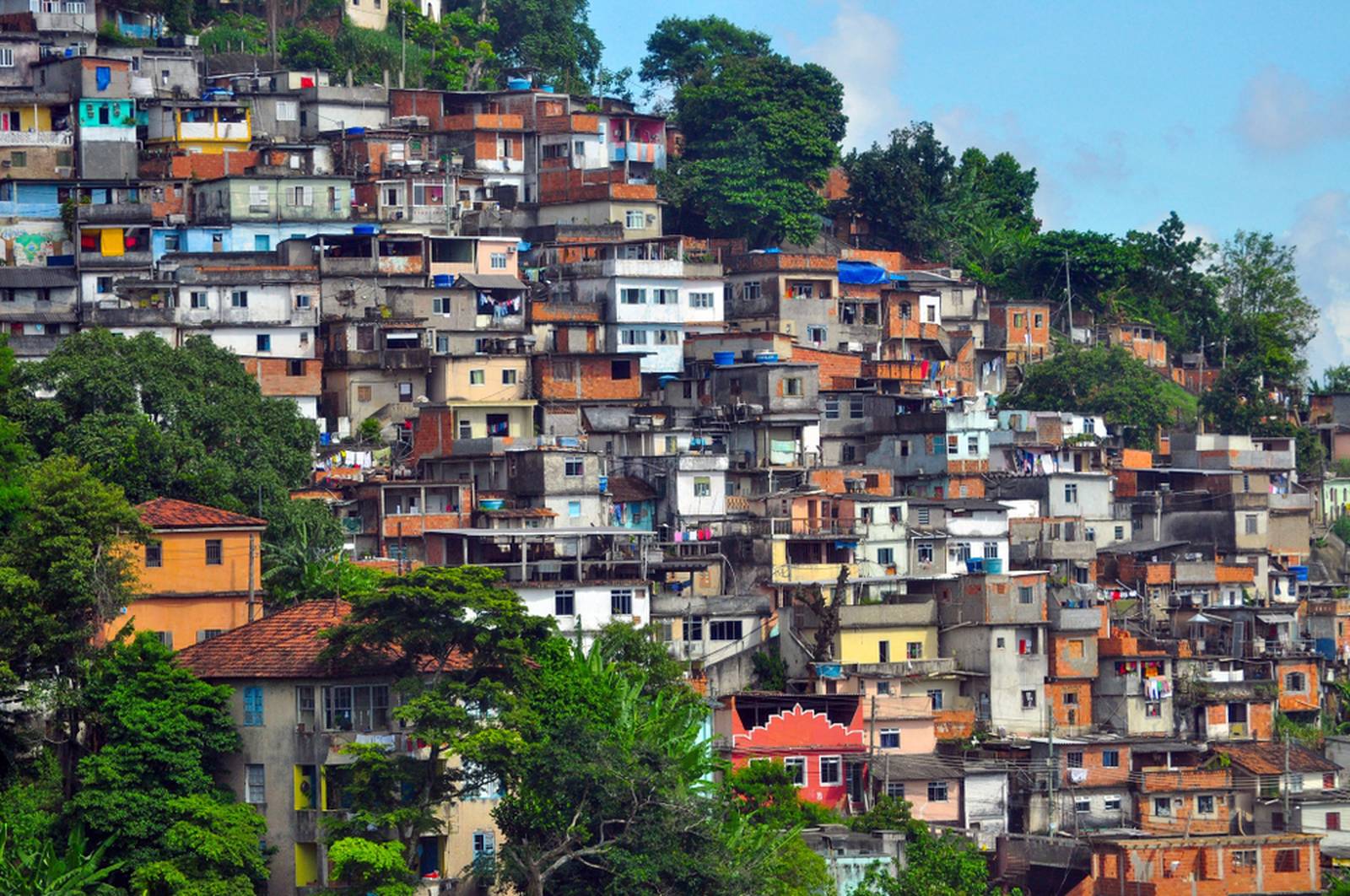
The majority of the world’s population lives in the cities of low- and middle-income countries, often referred to as the Global South. This course explores current research and practical responses to the rapid growth of many cities in the Global South, noting the legacies of the past and challenges for the future.
The course will evaluate the usefulness of the 'Global South' as a category, and consider how cities and urban livelihoods in low and middle-income countries have evolved. Students will examine case studies on topics such as unregulated or informal housing, development economics, climate change, technology, and essential urban services. The course aims to provide a global perspective on global urban issues, while also considering the specific challenges that shape the options and pathways for more sustainable cities in the future.
This course is part of a bundle of three complementary but independent online courses, which includes Sustainable Urban Futures and Place, Community and Urban Design.
Book this course
Book your place online using the button below.
Programme details
This course begins on 15 April 2027, which is when the course materials are made available to students. Students should study these materials in advance of the first live meeting, which will be held on 22 April 2027 (UK time).
- What is the Global South?
- Exploring trends in global urbanisation
- What is sustainable urban development?
- Environmental challenges for cities in the Global South
- Waste and water in climate-changed cities
- What is an informal settlement?
- Urban employment in the Global South
- Gender and development
- Global South cities and migration
- Global urban futures
Level and demands
This course is open to all, and no prior knowledge is required.
This course is offered at FHEQ level 4 (first year undergraduate level), and you will be expected to engage in independent study in preparation for your assignments. Our 10-week Short Online Courses come with an expected total commitment of 100 study hours.
English Language Requirements
We do not insist that applicants hold an English language certification, but we warn that they may be at a disadvantage if their language skills are not of a comparable level to those qualifications listed on our website. If you are confident in your proficiency, please feel free to enrol. For more information regarding English language requirements, please see here.
Course aims
This course aims to:
- Explain the theories and interpret the practices of urbanisation and urban livelihoods in low and middle-income countries
- Relate to the complexities inherent in sustainable urban development in the Global South
- Evaluate current evidence to consider the future environmental, economic, and social contexts of cities in the Global South
IT requirements
Any standard web browser can be used to access course materials on our virtual learning environment, but we recommend Google Chrome. We also recommend that students join the live webinars on Microsoft Teams using a laptop or desktop computer rather than a phone or tablet due to the limited functionality of the app on these devices. Students will need a reliable internet connection and a computer that meets our recommended minimum computer specification.
Programme details
This course begins on 15 April 2027, which is when the course materials are made available to students. Students should study these materials in advance of the first live meeting, which will be held on 22 April 2027 (UK time).
- What is the Global South?
- Exploring trends in global urbanisation
- What is sustainable urban development?
- Environmental challenges for cities in the Global South
- Waste and water in climate-changed cities
- What is an informal settlement?
- Urban employment in the Global South
- Gender and development
- Global South cities and migration
- Global urban futures
Teaching methods
This course takes place over 10 weeks, with a weekly learning schedule and weekly live webinar held on Microsoft Teams. Shortly before a course commences, students are provided with access to an online virtual learning environment, which houses the course content, including video lectures, complemented by readings or other study materials. Any standard web browser can be used to access these materials, but we recommend Google Chrome. Working through these materials over the course of the week will prepare students for a weekly 1-hour live webinar you will share with your expert tutor and fellow students. All courses are structured to amount to 100 study hours, so that on average, you should set aside 10 hours a week for study. Although the course finishes after 10 weeks, all learning materials remain available to all students for 12 months after the course has finished.
All courses are led by an expert tutor. Tutors guide students through the course materials as part of the live interactions during the weekly webinars. Tutors will also provide individualised feedback on your assignments. All online courses are taught in small student cohorts so that you and your peers will form a mutually supportive and vibrant learning community for the duration of the course. You will learn from your fellow students as well as from your tutor, and they will learn from you.
Learning outcomes
By the end of the course, students will be expected to:
- Have generated a foundational knowledge of the key theories and practices of urbanisation and urban livelihoods in low and middle-income countries.
- Are aware of how to evaluate practical evidence and scholarship relating to cities in the Global South, and how to communicate this knowledge.
- Have considered a global outlook on the current and future challenges and opportunities to develop more sustainable cities.
Assessment methods
You will be set two pieces of work for the course. The first 500-word assignment is due halfway through your course. This does not count towards your final outcome, but preparing for it and the feedback you are given will help you prepare for your assessed piece of work of 1,500 words due at the end of the course. The assessed work is marked pass or fail.
Dr Pedro Marques
Assessment methods
You will be set two pieces of work for the course. The first 500-word assignment is due halfway through your course. This does not count towards your final outcome, but preparing for it and the feedback you are given will help you prepare for your assessed piece of work of 1,500 words due at the end of the course. The assessed work is marked pass or fail.
Level and demands
This course is open to all, and no prior knowledge is required.
This course is offered at FHEQ level 4 (first year undergraduate level), and you will be expected to engage in independent study in preparation for your assignments. Our 10-week Short Online Courses come with an expected total commitment of 100 study hours.
English Language Requirements
We do not insist that applicants hold an English language certification, but we warn that they may be at a disadvantage if their language skills are not of a comparable level to those qualifications listed on our website. If you are confident in your proficiency, please feel free to enrol. For more information regarding English language requirements, please see here.
Fees
| Description | Costs |
|---|---|
| Course Fee | £430.00 |
Module code: O26P787SUZ
Please use the ‘Book now’ button on this page. Alternatively, please complete an enrolment form.