
Short course
Marx’s Capital

Course status:
Applications being accepted


Dates and time:
15/04/2027 - 17/06/202719:00 - 21:00

Study format:
In-person weekly

Fees:
£315.00
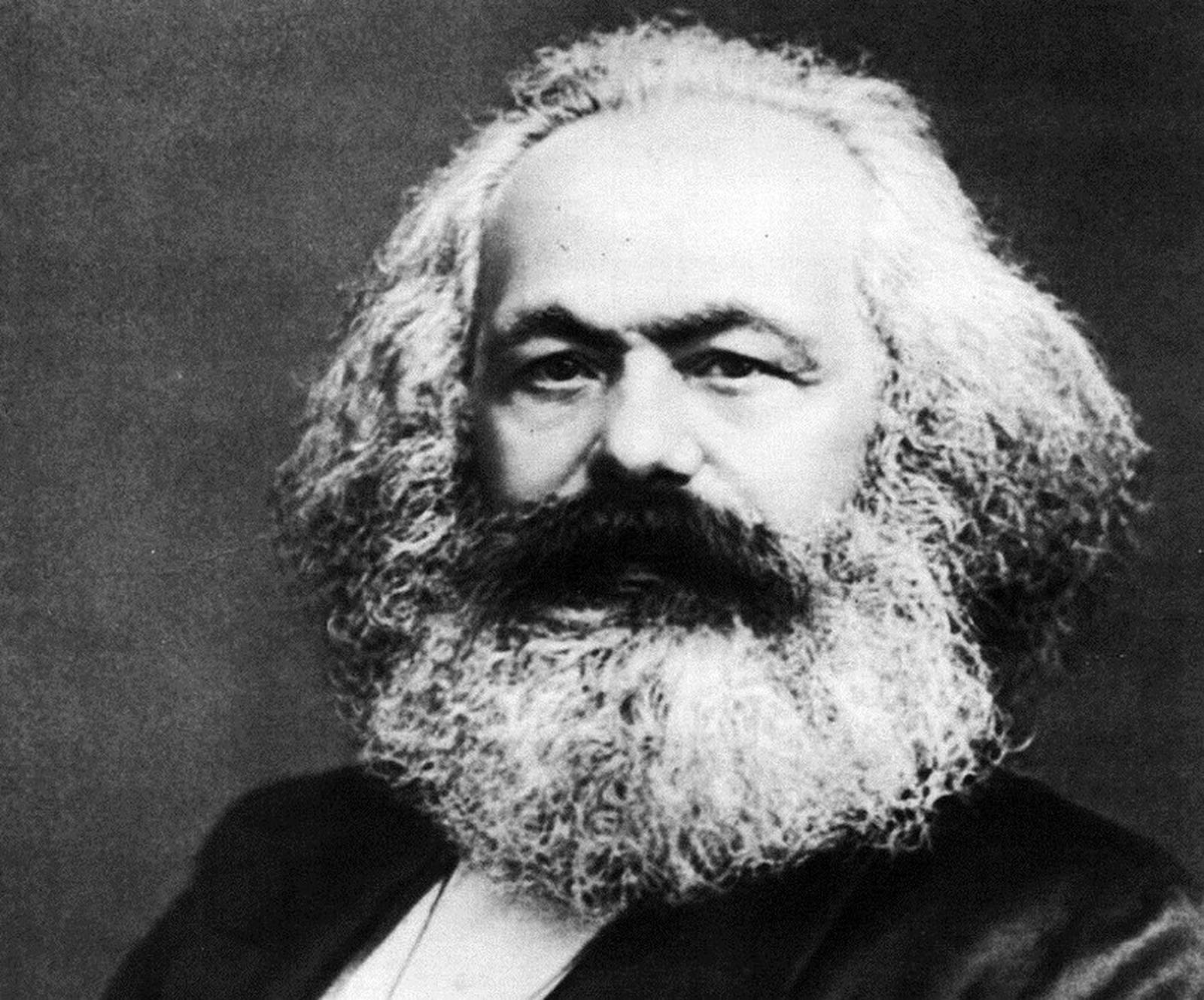
Volume One of Marx's Capital: A Critique of Political Economy, first published in 1867, is one of the most famous and consequential books of the last two hundred years. Melding philosophy, economics, politics, history and more, and delivered in a pungent literary style, it remains one of the classic accounts of the modern condition – our condition – as well as providing a riveting account of nineteenth-century English industrial capitalism. This course will take on Marx's masterpiece in its entirety, using the 2024 translation published by Princeton University Press.
Book this course
Book your place online using the button below.
Contact the team
Phone: +44 (0)1865 280900
Courses starts Thursday 15 Apr 2027
Week 1: Introduction; The Commodity (Chapter 1)
Week 2: Exchange and Money (Chapters 2-3)
Week 3: From Capital to Labour Power (Chapter 4)
Week 4: The Labour Process and the Production of Surplus Value (Chapters 5-7)
Week 5: The Working Day (Chapter 9)
Week 6: Relative Surplus Value (Chapters 10-12)
Week 7: Machinery and Large-Scale Industry (Chapter 13)
Week 8: From Absolute and Relative Surplus Value to the Accumulation of Capital (Chapters 14-22)
Week 9: Capitalist Accumulation (Chapter 23)
Week 10: Original Accumulation (Chapters 24-25)
Course aims
This course aims to enable participants to develop an understanding of Capital, Volume One, and to explore the significance of Marx’s analysis of capitalism.
Course objectives
By the end of the course, participants will have been given the opportunity to:
- develop an understanding of the central arguments presented in Capital, Volume One
- engage critically with Marx’s analysis of capitalism through the examination and evaluation of key concepts and arguments
- consider the continuing relevance of Marx’s ideas and assess their application to contemporary social, political and economic issues
Learning outcomes
By the end of the course students will be expected to:
- understand the essentials of Marx’s analysis of capitalism;
- have developed skills in evaluating the variety of methods (philosophical, economic, historical) Marx employs;
- be able to appreciate Marx’s literary style.
Level and demands
The Department’s Weekly Classes are taught at FHEQ Level 4, ie first year undergraduate level, and you will be expected to engage in a significant amount of private study in preparation for the classes. This may take the form, for instance, of reading and analysing set texts, responding to questions or tasks, or preparing work to present in class.
Teaching methods
Students will be expected to have their own copy of the text, preferably the new translation by Paul Reitter, published by Princeton University Press in 2024. (The older Penguin version by Ben Fowkes will just about suffice, but note that (a) this translates a different version of the text; (b) uses a different division into chapters, and (c) its pagination differs from that in the Princeton edition.) We will read the designated chapters, or selections from them, in advance of each class. The tutor will give a presentation on the material in class, before opening up for discussion. Electronic presentations will be used and made available to students in advance in a variety of formats. Students will be able to benefit from formative feedback on written work during the course.
Assessment methods
Only those students who have registered for assessment and accreditation, in advance of the course start date, can submit coursework/assignments for assessment.
Assessment
You will be set two pieces of work for the course. The first of 500 words is due halfway through your course. This does not count towards your final outcome but preparing for it, and the feedback you are given, will help you prepare for your assessed piece of work of 1,500 words due at the end of the course. The assessed work is marked pass or fail.
Dr Meade McCloughan
Meade McCloughan has been studying philosophy for over 40 years and has taught at University College London and Birkbeck College London. He is on the organising group of the Marx and Philosophy Society.
Academic credit
Credit Accumulation Transfer Scheme (CATS Points)
Please note, students who do not register for assessment and accreditation during the enrolment process will not be able to do so after the course has begun. If you wish to gain credit from completing this course you must register to do so before the course starts.
Only those who have registered for assessment and accreditation will be awarded CATS points for completing work to the required standard. Please note that assignments are not graded but are marked either pass or fail.
Learn more about the Credit Accumulation Transfer Scheme.
If you are enrolled on the Certificate of Higher Education at the Department you need to indicate this on the enrolment form but there is no additional registration fee for assessment and accreditation.
Digital certificate of completion
Students who are registered for assessment and accreditation and pass their final assignment will also be eligible for a digital Certificate of Completion. Information on how to access the digital certificate will be emailed to you after the end of the course. The certificate will show your name, the course title and the dates of the course attended. You will be able to download the certificate and share it on social media if you choose to do so.
Fees
| Description | Costs |
|---|---|
| Course fee (with no assessment) | £315.00 |
| Assessment and Accreditation fee | £60.00 |
Funding
If you are in receipt of a UK state benefit, or are a care-leaver in the UK, you may be eligible for a reduction of 50% of tuition fees. Please see the below link for full details:
Concessionary fees for short courses
Recommended reading
Recommended reading is optional and you are not required to purchase these books to study this course.
Library facilities
All short course students (online and in-person) may register to borrow from the Oxford Lifelong Learning Library, for the duration of their course.
Further information about the Oxford Lifelong Learning Library can be found on the library website.
Preparatory reading
- A Companion to Marx’s Capital / Harvey, David
Module code: O26P451PHW
How to enrol
Please use the ‘Book now’ button on this page.
How to register for accreditation and assessment
To be able to submit coursework and to earn credit (CATS points) for this course, if you wish to do so, you will need to register and pay an additional £60 fee. You can do this by ticking the relevant box at the bottom of the enrolment form or when enrolling online.
Students who do not register for CATS points during the enrolment process will not be able to do so after the course has begun.
If you are enrolled on the Certificate of Higher Education at the Department you need to indicate this on the enrolment form but there is no additional registration fee.