

Investigate the power of maps and spatial data to document and illustrate local and global issues. Learn how to use Geographic Information Systems (GIS) to explore the world around you and share ideas.
Filter by:
Filters
Start month
Day of the week
Time of day
Investigate the power of maps and spatial data to document and illustrate local and global issues. Learn how to use Geographic Information Systems (GIS) to explore the world around you and share ideas.
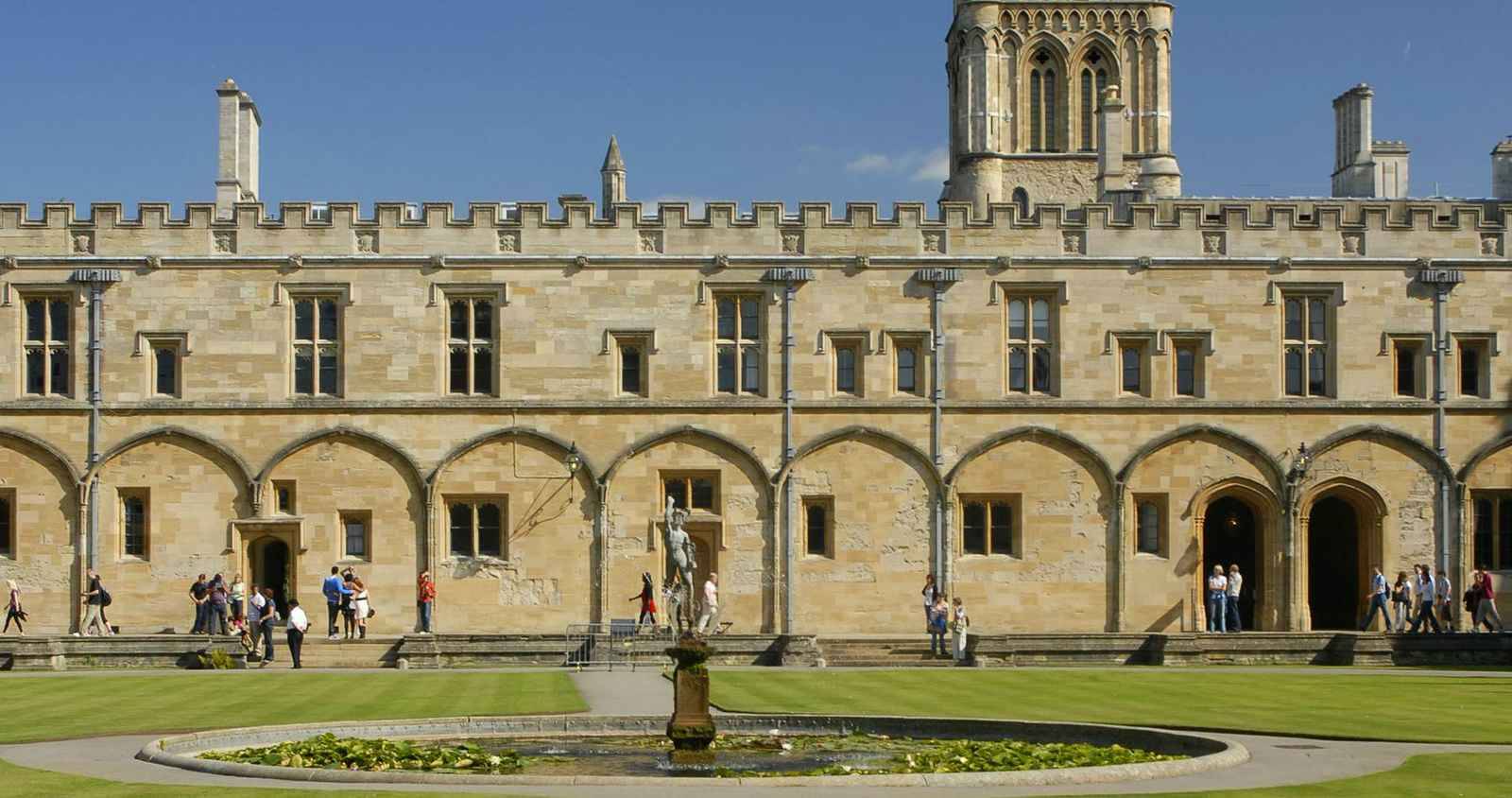
The first Impressionist exhibition was in 1874. We look at fifty years of art that led to the birth of Impressionism: Ingres and Delacroix, the impact of the Barbizon School, Courbet, Daubigny and others, concluding with the Impressionists themselves.
Investigate the power of maps and spatial data to document and illustrate local and global issues. Learn how to use Geographic Information Systems (GIS) to explore the world around you and share ideas.

Deepen your understanding of Early Renaissance to High Renaissance art, the role of patronage, and how the Renaissance continues to influence modern creativity.
Deepen your understanding of Early Renaissance to High Renaissance art, the role of patronage, and how the Renaissance continues to influence modern creativity.
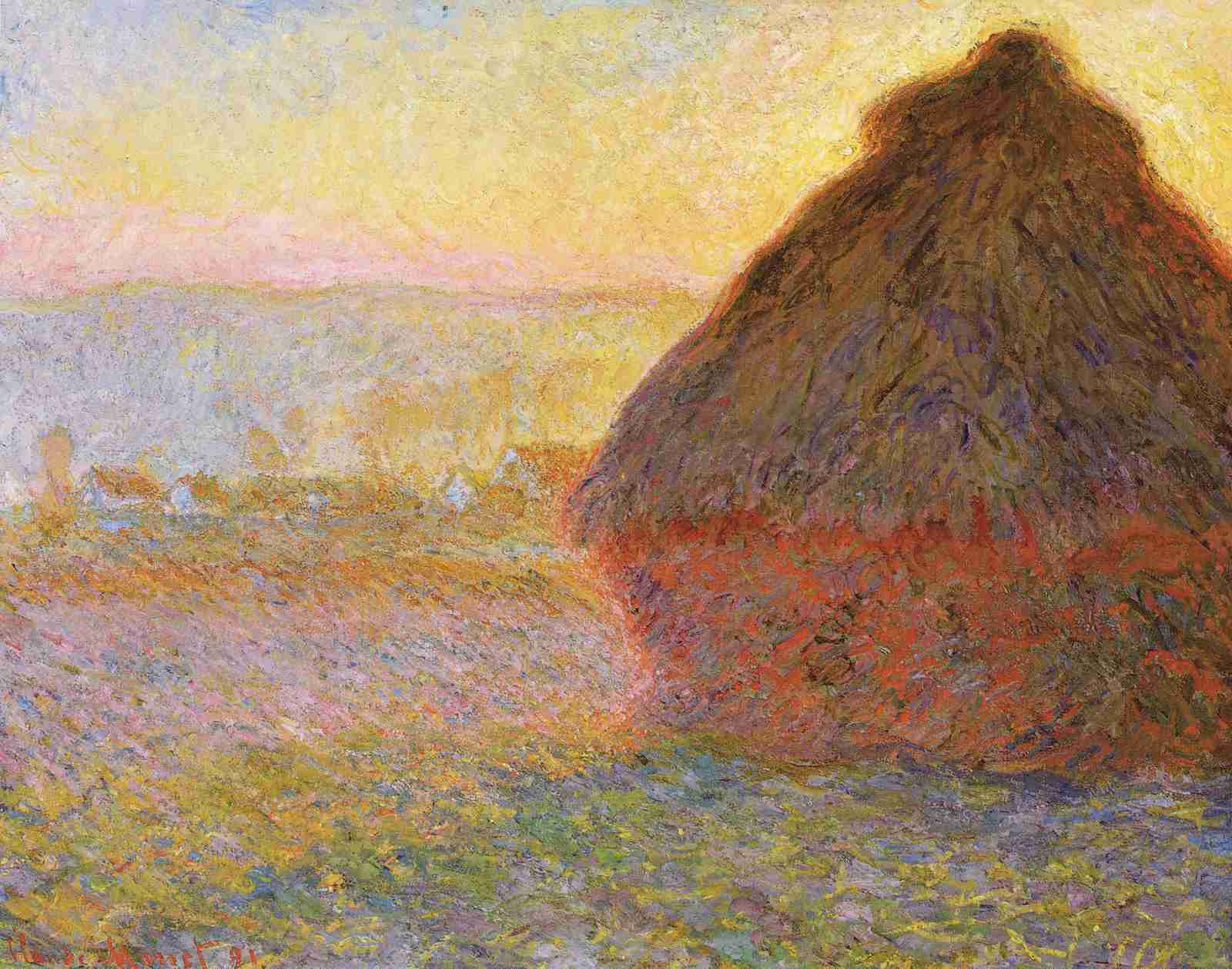
Explore Impressionism and modern life in nineteenth-century France through the work of Monet, Manet, Degas and their contemporaries. This course examines Impressionist techniques, women Impressionists, critical responses to the exhibitions, and the moveme
Explore Impressionism and modern life in nineteenth-century France through the work of Monet, Manet, Degas and their contemporaries. This course examines Impressionist techniques, women Impressionists, critical responses to the exhibitions, and the moveme
Explore modern and contemporary art from 1900 to the present day. This course provides frameworks for understanding key ideas, techniques and debates in modern art, while highlighting both innovation and continuity with the art of earlier periods.
Explore modern and contemporary art from 1900 to the present day. This course provides frameworks for understanding key ideas, techniques and debates in modern art, while highlighting both innovation and continuity with the art of earlier periods.
Explore modern and contemporary art from 1900 to the present day. This course provides frameworks for understanding key ideas, techniques and debates in modern art, while highlighting both innovation and continuity with the art of earlier periods.

A three-way bridge between climate ethics, environmental ethics and animal ethics. This module is part of the MSt in Practical Ethics and can also be taken as a stand-alone short course.
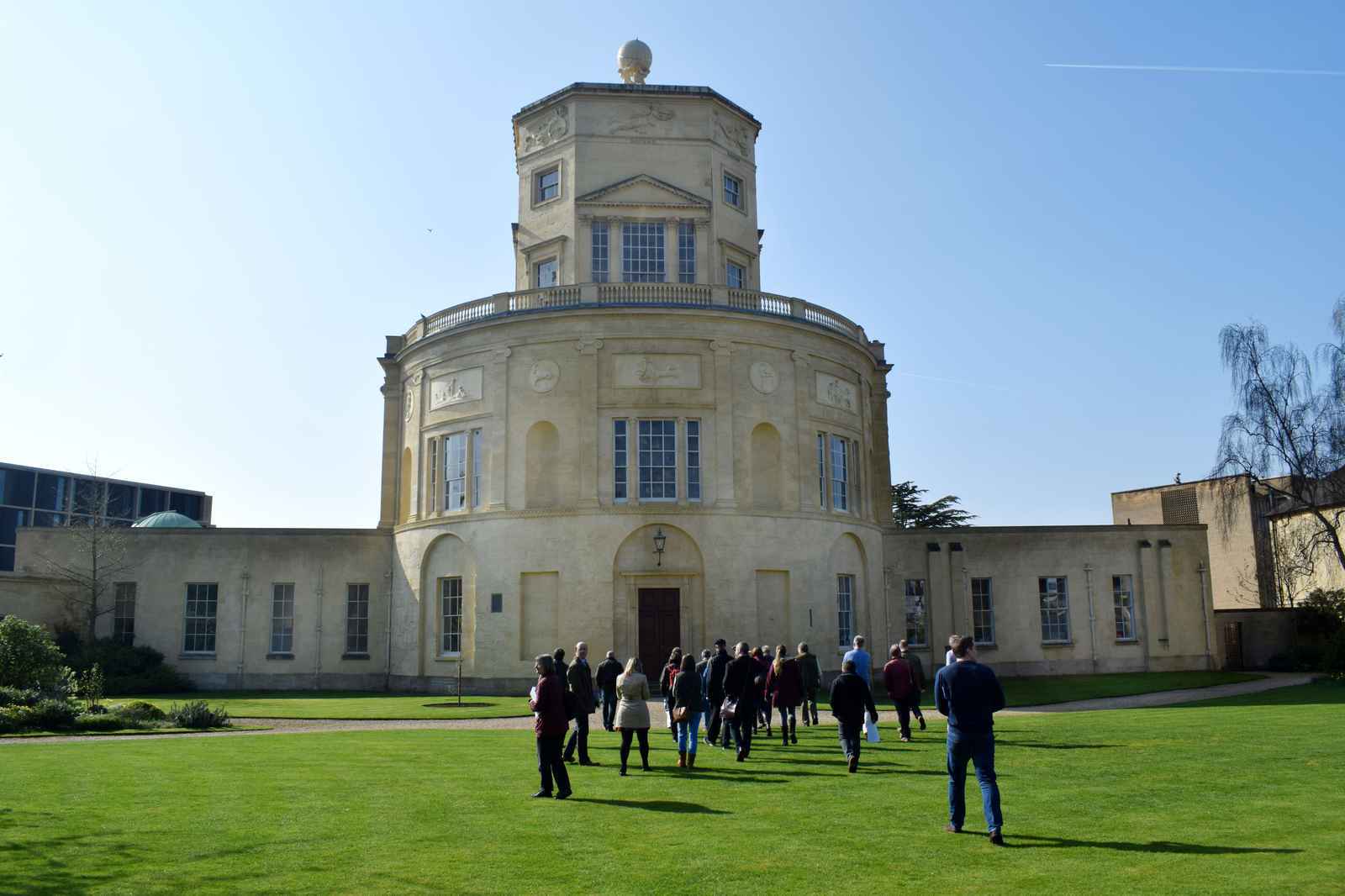
Increase your understanding of setting as it applies to heritage assets, along with its contribution to good design and the positive management of heritage assets. Aimed at UK-based historic environment practitioners and others in related disciplines.