
This course examines the rise and fall of the British Empire and its manifold legacies in Britain and beyond.
Filter by:
Filters
Start month
Day of the week
Time of day
This course examines the rise and fall of the British Empire and its manifold legacies in Britain and beyond.
Illuminated manuscripts of the late Middle Ages tell us much about the artistic and commercial culture that produced them, and in the case of the deluxe manuscripts, can give a fascinating insight into the families who owned and used them.
With the exception of a few religious leaders, no other individual apart from Alexander the Great has captured the imagination to the extent that he has become an example to European, Russian and Islamic rulers among others many centuries after his death.
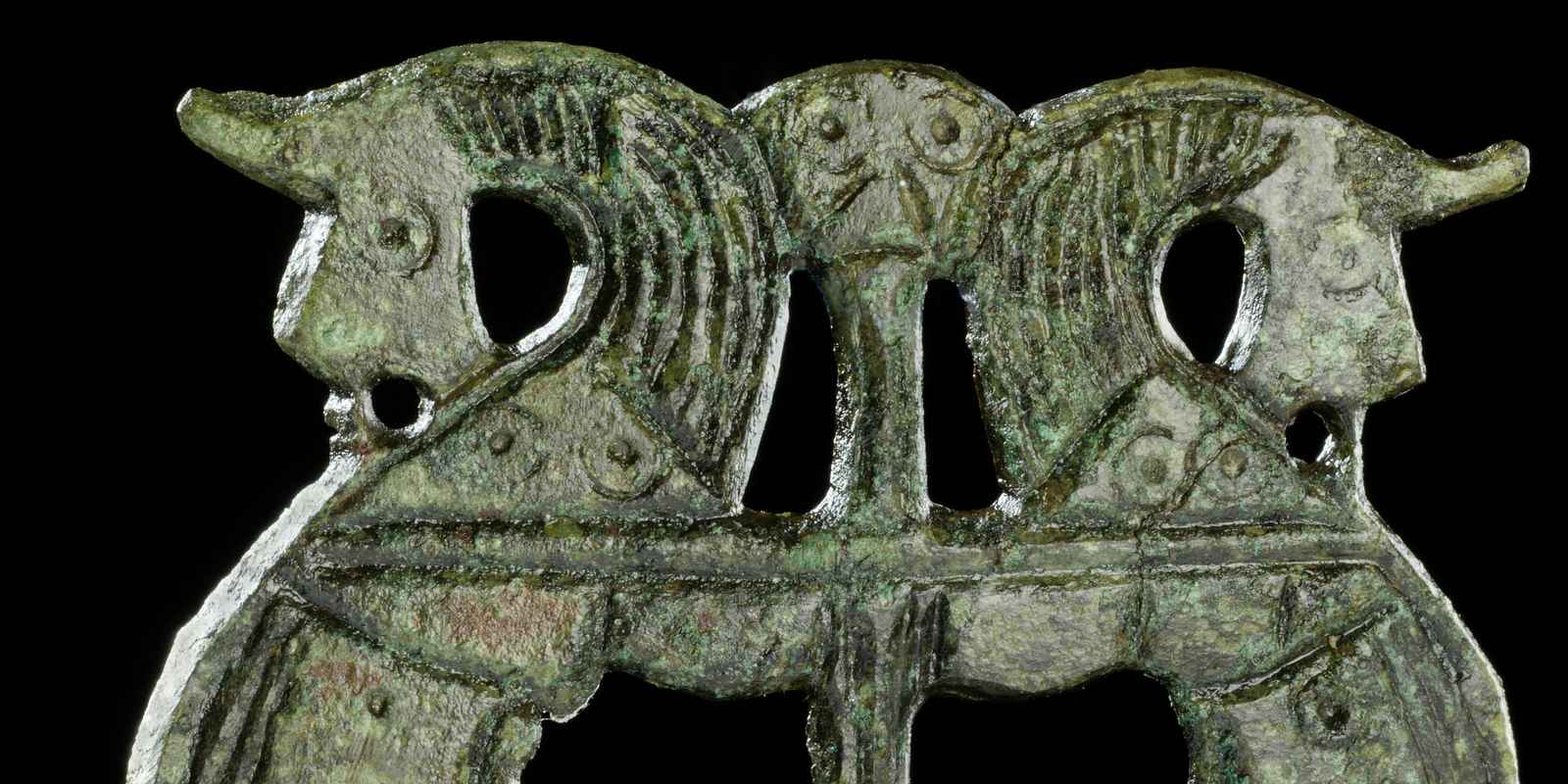
Ravagers, despoilers, pagans, the Vikings are often regarded as bloodthirsty pirates. Yet they were also traders, settlers and farmers with a thriving artistic culture and legal systems. Using archaeology we examine the varied aspects of the Viking world.
The Trans-Siberian Railway spans 6,000 miles and nine time zones but also the 2,000 years of Russia's complex, little understood history. Through the windows of our railway carriage we get an insight into this enduringly mysterious country and its people.

Through this online course, you will become confident in writing convincing dialogue and gripping narrative, and in creating situations and characters with which young adults can identify.

Britain led the world in the nineteenth century, but what were the consequences of industrialisation and empire on British society?

Are we just who we think we are, or are we also who others think we are? Are we born prejudiced? Can we talk of 'national characteristics'? How can we best live together on this planet?
Exploring the shifting culture, ideologies and politics of the class system in modern English history from 1650 to the present day.
From John Locke and Robert Hooke to Albert Einstein, we explore the significance of the work of major thinkers closely associated with Christ Church, Oxford, serving as an introduction to various philosophical domains and topics.

From The Prince to Discourses on Livy, we explore, interpret and assess the key ideas and enduring significance of 'the father of modern political philosophy', Niccolo Machiavelli (1469-1527).

Learn how Manet, Gauguin, Cézanne & Van Gogh horrified public opinion at the 1910 exhibition 'Manet and the Post-Impressionists'. An important moment in the history of British art, it brought London face-to-face with new developments in French painting.