

Exploring health behaviours and behaviour change to inform policy and practice
Filter by:
Filters
Start month
Day of the week
Time of day
Exploring health behaviours and behaviour change to inform policy and practice

Basic and advanced statistical methods for meta-analysis.

Improve your understanding of managing risk as we explore the PRAM guide, which was developed by the Association for Project Management, and explore practical project experience from real projects.
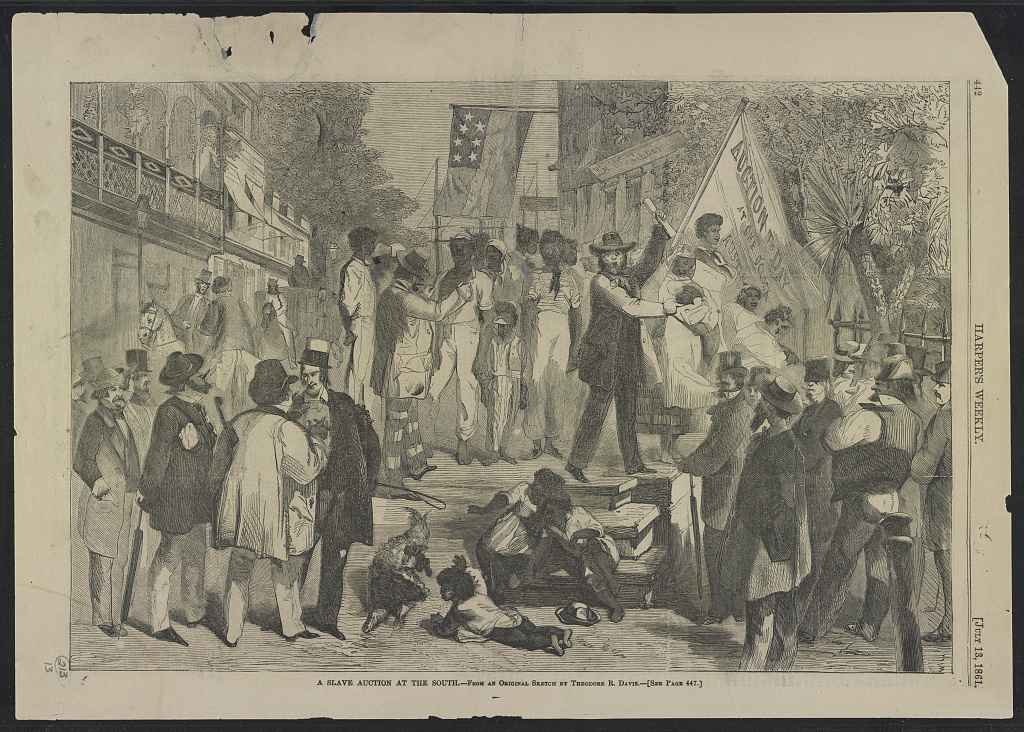
This course examines the institution of human slavery in the southern United States from its colonial beginnings, to its emergence as the most powerful slave system in the world, to its collapse during the Civil War.

Aiming to provide an understanding of realist reviews and evaluation and the ability to apply new knowledge and skills to a realist research project.

This lecture examines Blair’s electoral success and New Labour modernisation, highlighting public service investment and reform, while assessing the limits of his authority, particularly over the failed bid to join the Eurozone.

Investigate how cyberattackers breach networks and achieve their objectives. From data theft and disruption to avoiding detection and infiltrating targets, this online lecture provides a conceptual understanding of the foundations of hacking.

From hunting dogs to Silk Road camels and urban cats, this lecture series explores how animals shaped human history, using archaeology and history to uncover the deep entanglements between people and domestic species.
Explore the dazzling richness and exuberance of Baroque art and architecture - from the earliest experiments of Michelangelo, to the voluptuous sensuality of Bernini, and beyond. Artists studied will include Borromini, Titian, Caravaggio, and Rubens.

Explore tough ethical questions in clinical decision-making. Examine ethical issues in clinical contexts, analyse real-life cases, and gain practical skills to make wise, principled decisions while valuing diverse perspectives.

Positive Psychology offers a direct approach to help people create strategies towards wellbeing. Changing our interpretation of the world can help us feel happier, healthier, more positive, and become more resilient. Learn more at this online workshop.

Master the art of impactful communication. This intensive workshop equips early-career and first-time managers with the skills to craft compelling speeches, engage any audience, and speak with confidence – using insights from auditory neuroscience.